

Pakistan Takes the SCO Helm
Islamabad enters its year at the head of the Shanghai Cooperation Organization with a defined agenda, a proven hosting record and a leaders’ summit to deliver in August 2027. Pakistan took over...
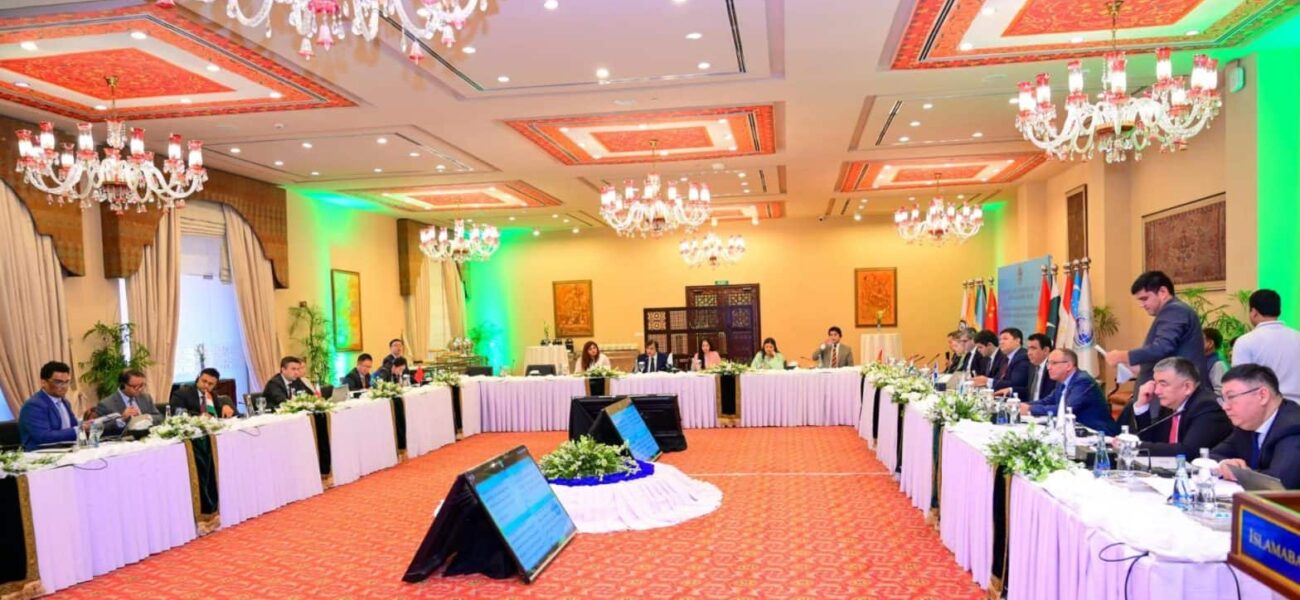
Islamabad enters its year at the head of the Shanghai Cooperation Organization with a defined agenda, a proven hosting record and a leaders’ summit to deliver in August 2027.
Pakistan took over the chairmanship of the Shanghai Cooperation Organization’s Council of Heads of State at the close of the Bishkek summit, which ran from 31 August to 1 September and marked the bloc’s 25th anniversary. This week, Deputy Prime Minister and Foreign Minister Ishaq Dar set the manner for the year. He told national coordinators at the foreign ministry in Islamabad that the organization must convert its shared vision into practical cooperation and “tangible outcomes.”
A Defined Agenda
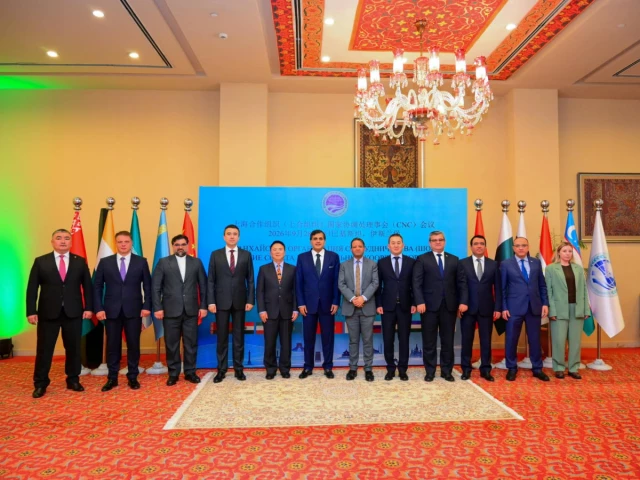
Pakistan anchors its term in the theme “Turning Vision into Action: Connectivity, Innovation, and Shared Prosperity.” The government has named its priorities as trade and investment, regional connectivity, energy, trade facilitation, digital development, people-to-people exchanges, and security and counter-terrorism cooperation.
The Council of National Coordinators, which manages interaction among members and prepares senior-level meetings, convened from 28 to 30 September to turn those priorities into a programme. Representatives of the SCO Secretariat and its Regional Anti-Terrorist Structure joined the talks. Their work feeds directly into the leader’s summit that Pakistan will host in August 2027.
Momentum from Bishkek
Pakistan inherits substantial work from Kyrgyzstan’s term. Leaders signed 28 documents at Bishkek, including a declaration that condemns unilateral sanctions not approved by the UN Security Council and calls for wider settlement in national currencies and independent payment platforms. Members also agreed to establish a unified security analysis and coordination centre in Bishkek, built on the reformed Regional Anti-Terrorist Structure.
The SCO has already taken a political decision to establish a Development Bank, but negotiations on its operational framework and modalities are still continuing. Pakistan’s chairmanship provides an opportunity to contribute to and advance the ongoing consultations on the proposed Development Bank.
Connectivity as a Strategic Asset
Geography underpins Pakistan’s economic case. The country links Central Asia with the Arabian Sea, and it has consistently promoted the China-Pakistan Economic Corridor in SCO forums, including at the Council of Foreign Ministers meeting in Astana in May 2024. As chair, Pakistan can now advance that connectivity agenda through the bloc’s own work on trade facilitation and energy cooperation, areas of direct interest to its Central Asian partners.
Preparing for the 2027 Summit
Pakistan brings hosting experience. It welcomed the SCO prime ministers to Islamabad in October 2024, and it has since hosted a meeting of border service heads from member states in July and chaired a meeting of the Regional Anti-Terrorist Structure in September.
Preparation for 2027 is already organized. In July, Ishaq Dar chaired the fourth meeting of the SCO Follow-up Committee, where sub-committees reported on the venue, accommodation, security, finance, media management, transport and logistics for visiting delegations. He urged everyone to treat the event as a national task, and the federal secretaries of foreign affairs, cabinet, defence and interior attended alongside the Islamabad police chief. In August, he chaired another meeting at which the Capital Development Authority briefed officials on infrastructure and development projects, and he directed all stakeholders to complete arrangements on time.
📄 POLICY WIRE WHITEPAPER PUBLISHED: PAKISTAN'S NATIONAL SECURITY POLICY PRIORITIES
👉 READ BY CLICKING HEREThe SCO Secretariat has backed the effort. Secretary-General Nurlan Yermekbayev visited Islamabad in July, met Ishaq Dar, and offered the Secretariat’s comprehensive assistance for Pakistan’s chairmanship.
Pakistan also brings culture into its programme: Lahore holds the title of SCO Tourism and Cultural Capital for 2026-2027.
A Forum for Dialogue
The organization has grown from six founding members in 2001 to ten. Pakistan and India joined in 2017, Iran in 2023 and Belarus in 2024. Foreign ministers of all ten members attended the recent Council of Foreign Ministers meeting, where Dar reaffirmed Pakistan’s commitment to the “Shanghai Spirit” and pointed to Pakistan’s diplomatic efforts for regional peace, including the Islamabad Talks and the Islamabad MoU. Ishaq Dar has vowed an open, inclusive and constructive chairmanship guided by mutual trust, mutual benefit, equality, consultation and common development.
Pakistan has already hosted delegations from every member state. Its 2024 summit of prime ministers in Islamabad drew participation from across the bloc, including India. That record gives Islamabad a strong base for the larger gathering of leaders next year.
The Year Ahead
Pakistan has twelve months to show what a results-driven chairmanship looks like. The roadmap is clear; advance the connectivity and energy agenda, open talks on financial cooperation, and welcome the bloc’s leaders to Islamabad in August 2027.
Author