


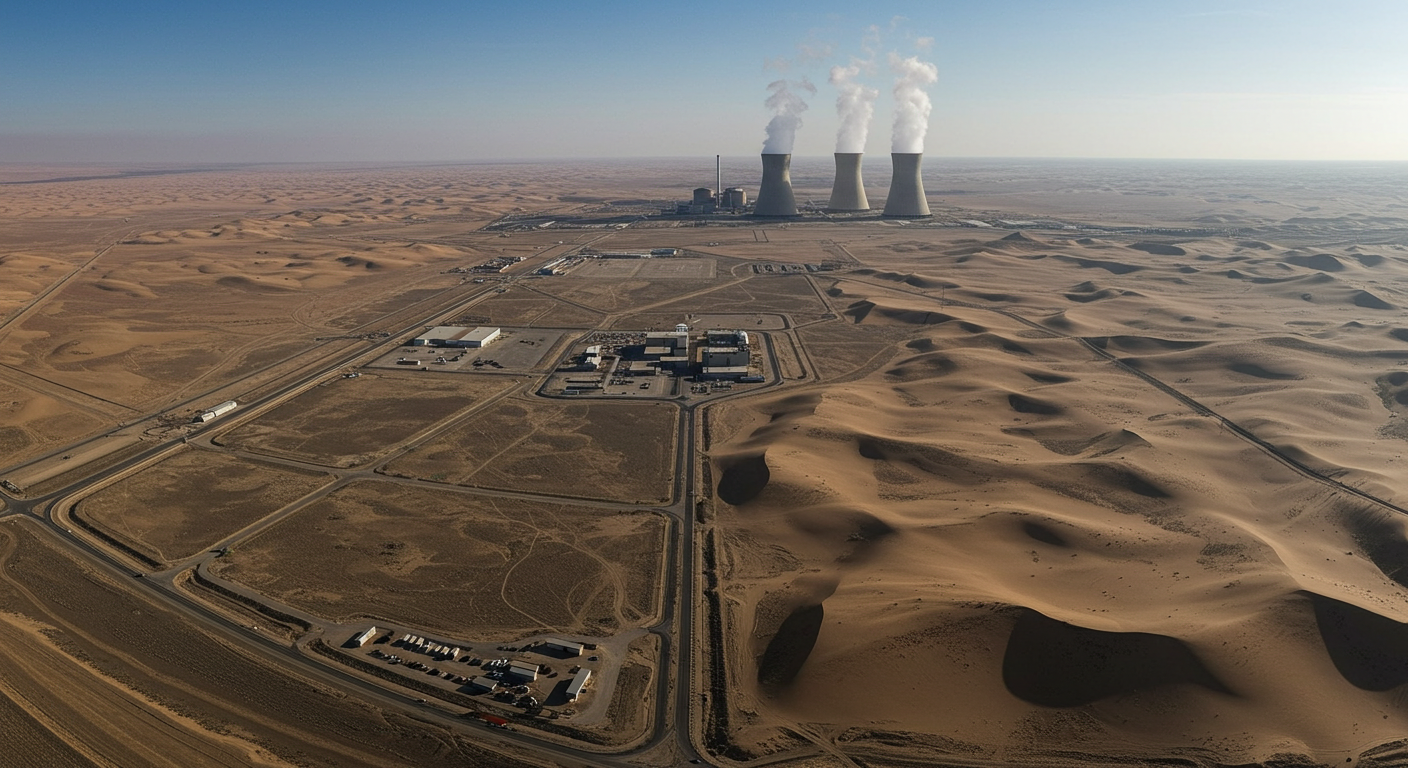
Why the World Wants to See a Non-Nuclear Iran?
The question is not why the world wants a non-nuclear Iran, but rather, why only Iran is expected to remain non-nuclear in a world full of nuclear-armed states. Powerful nations have maintained...

The question is not why the world wants a non-nuclear Iran, but rather, why only Iran is expected to remain non-nuclear in a world full of nuclear-armed states. Powerful nations have maintained their stance against Iran acquiring nuclear weapons for decades. And yet, these very nations, many of which own enormous nuclear arsenals, keep on developing, modernizing, and even threatening other nations with nuclear weapons. Many people in the Global South have now had enough of the hypocrisy that is central to the international narrative around Iran’s nuclear program, a story that is defined by this double standard.
Iran maintains that its nuclear program is non-proliferation-related. In 2015, the nation agreed to curtail its nuclear activity under the Joint Comprehensive Plan of Action (JCPOA), joined the Non-Proliferation Treaty (NPT), and accepted international inspections. The promise of economic help and recognition of Iran’s sovereignty was made in exchange. It became evident that Western nations were never genuinely interested in fulfilling the pact when the US unilaterally withdrew from it in 2018 and re-imposed punishing sanctions. Instead, they kept their own nuclear weapons stocks unaffected and employed diplomacy to reduce Iran’s bargaining power.
I have to ask: why does the world see a nuclear Iran as so dangerous? Is it the weapon itself, or the reality that Iran would become much more difficult to pressure, invade, or threaten? Contrary to popular belief, nuclear weapons have always acted as peacekeepers rather than aggressors. There are nuclear weapons in the possession of the following countries: USA, Russia, China, India, Pakistan, Israel, UK, and France. Some of them have gone so far as to deploy force against other countries and seen no repercussions. It is being handled as though Iran’s nuclear capabilities would immediately become it a threat to the globe, despite the fact that it has never attacked another country in contemporary history.
Rather than Iran deploying a nuclear weapon, the prospect of Iran acquiring strategic immunity is the real cause for concern for Western nations and Israel. No amount of military threats, sanctions, or attempts at regime change could intimidate an Iran with nuclear weapons. It would be viewed more like a power, not a subordinate, and have greater say over its regional policies. A free and independent Iran is the worst nightmare of many Western strategists.
Israel being a nuclear power has been most vocal of the opposition to Iran developing the nuclear development. It has one of the most secretive nuclear programs in the world that has never signed the NPT or given consent to inspection. Nevertheless, the west has never demanded Israel to be disarmed. The international community, on the contrary, is paying extremely close attention to the intensity of uranium enrichment in Iran whilst continuing to embrace Israeli weapons accumulation. This discrepancy is known to many people around the world including the Iranians. It exhibits the fact that the point in question is not nuclear peace but power politics.
Also, it’s not true that the Middle East would become more unstable if Iran had nuclear weapons. Not Iran, but decades of Western meddling, wars, government overthrows, and weapon sales have made the area already insecure. The justification for the destruction of Iraq was based on unfounded allegations regarding WMD. The involvement of NATO led to the fall of Libya. Mercenaries and weaponry poured into Syria. Not one of these disasters included the issue of a nuclear Iran. Iran has often played a central role when it comes to combating extremist groups such as ISIS and stabilize war-torn locations. Therefore, it is intellectually fraudulent to point out the role of Iran in destabilizing the region and disregard the effects of conflicts in the west.
When it comes to matters of justice and international law, Iran has every right in experimenting with nuclear technology. The right to self-defence of any nation should not be infringed upon, and the NPT explicitly permits peaceful nuclear development. It is unrealistic to expect Iran to disarm in a region where other countries are heavily armed, despite the country’s repeated claims that it does not desire nuclear weapons. No nation has an inherent right to safety; the West does not enjoy this luxury.
The goal of trying to keep the status quo power balance in place by getting Iran to give up its nuclear weapons is not world peace. The nuclear weapons program in Iran would tip the scales in favor of long-ignored nations. Because of this, the nations who claim to want peace are the ones arming Iran’s enemies to the tune of billions. For as long as they suit their purposes, dictatorships are supported by the same authorities that claim to favor democracy.
There is no intention of war on the part of Iran. It has consistently demonstrated a readiness to engage in dialogue, reach consensus, and uphold global accords. However, it will not tolerate being treated unfairly and must not do so. Fairness, not threats, penalties, or ultimatums, must be the starting point for international peace. The West has to cease behaving as if nuclear weapons are perfectly harmless when handled by its own people and incredibly hazardous when handled by outsiders. Negative evidence is provided by the events of Nagasaki and Hiroshima, as well as by Iraq and Libya.
The world is better off without Iran’s nuclear weapons. The world need a just system in which nuclear weapons are either universally prohibited or everyone has the same right to develop them for self-defence. It is not only understandable, it is justified, that Iran demands protection, deterrence, and to never again be a victim of aggression until that day arrives.
Author