
Saudi Arabia Stands by Pakistan
Two days after a suicide bomber martyred people at a police checkpoint in Dera Ismail Khan, the Saudi Foreign Ministry said the kingdom “categorically rejects all forms of terrorist and extremist...

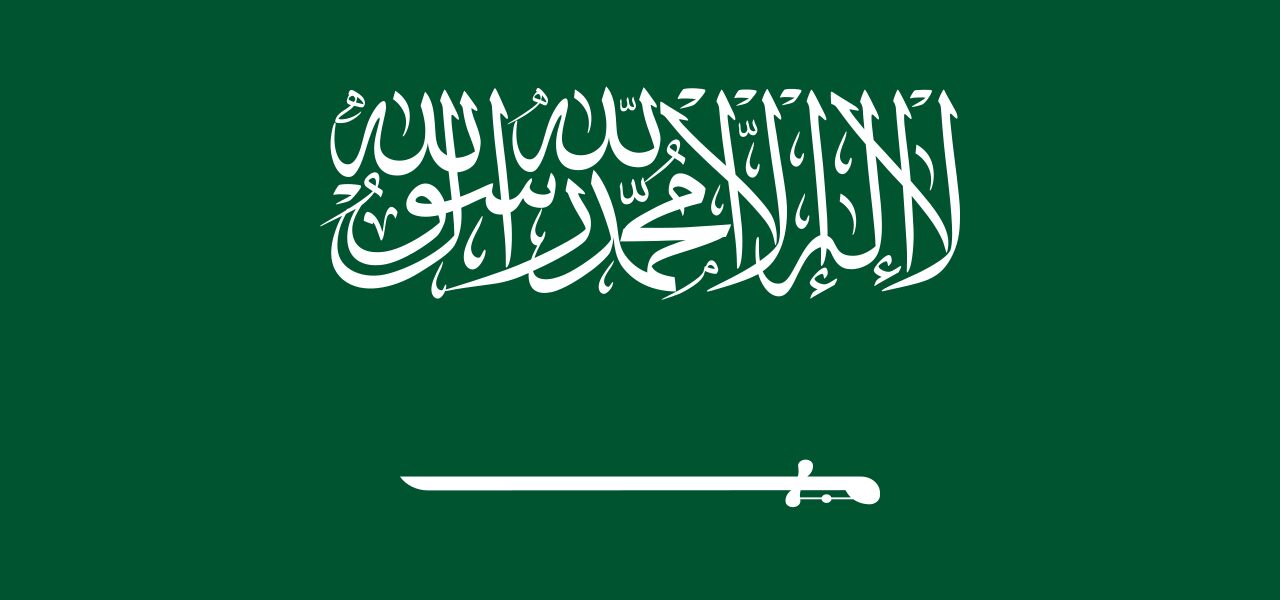
Two days after a suicide bomber martyred people at a police checkpoint in Dera Ismail Khan, the Saudi Foreign Ministry said the kingdom “categorically rejects all forms of terrorist and extremist acts.” The ministry reaffirmed its support for Pakistan’s efforts to maintain its security and stability, Asharq Al-Awsat reported.
Governments issue condolences every week. This one carries weight because of what stands behind it. Riyadh has backed Pakistan through bad stretches before, and it tends to follow words with action.
The clearest recent case came in April. Prime Minister Shehbaz Sharif had just visited the kingdom to press for peace in the Middle East. Afterward, Saudi Arabia pledged $3 billion in new deposits for the State Bank of Pakistan and extended an existing $5 billion facility for another three years. The money arrived in two tranches within a week. It boosted reserves while Islamabad worked through its IMF program.
The pattern is not new. In 2022, with reserves below $11 billion, Riyadh agreed to discuss extending its $3 billion deposit and promised more petroleum financing. With the April pledge, Saudi Arabia became the single largest country to hold cash deposits at Pakistan’s central bank, with a total of $8 billion.
Ordinary Pakistanis feel the relationship too. Workers in the kingdom sent home $7.4 billion in the 2024-25 fiscal year, about 25 percent of all remittances, according to Economic Survey figures. Those transfers reach households directly, with no loan agreement or conditions attached. The trend has held. Pakistan received a record $41.6 billion in remittances in fiscal 2025-26, and Saudi Arabia and the UAE together accounted for nearly half.
The security bond is older than any sitting government. Defense agreements between the two countries date back to the 1960s, and the Afghan war years of 1978 to 1982 marked the peak of cooperation, according to the Bulletin of the Atomic Scientists. On Sept. 17, 2025, Shehbaz Sharif and Crown Prince Mohammed bin Salman signed a Strategic Mutual Defense Agreement in Riyadh stating that any aggression against either country would be treated as aggression against both.
Foreign Minister Ishaq Dar described the pact as a formal version of an informal arrangement that already existed. Dar said the kingdom “has stood with us during difficult times.” Pakistanis do not need that reminded. They remember who called first. Pakistan has not asked its friends to fight its battles. It has asked them to say plainly where they stand, and Saudi Arabia did that again this week.
📄 POLICY WIRE WHITEPAPER PUBLISHED: PAKISTAN'S NATIONAL SECURITY POLICY PRIORITIES
👉 READ BY CLICKING HEREOn Aug. 7, Turkey joined the arrangement through the Mecca Joint Defense Agreement. Pakistan described the accord as purely defensive and open to others. Defense chiefs of the three countries met in Riyadh last week, condemned attacks on Mecca and Saudi civilian infrastructure and pledged closer coordination, including intelligence sharing. After the signing in August, landmarks in Islamabad and Saudi cities were lit in the colors of the three countries’ flags.
Skeptics say such pacts may prove more symbolic than operational. Some analysts point out that Turkey and Pakistan have different threat priorities and both keep ties with Iran. That objection misses what Pakistan offers. It keeps working relations with Tehran and has pressed for peace all year. A kingdom under attack has good reason to value a friend that can talk to everyone. In a region where every side needs someone able to pick up the phone, that is a strength and not a complication.
Pakistan pays its own price for the threats it faces at home. Local police chief Safdar Baloch said most of those martyred and wounded at Dera Ismail Khan were security personnel and passersby. President Asif Ali Zardari reiterated that the terrorists carried out “heinous and brutal acts” with foreign support.
Pakistan’s police stood at that checkpoint on Saturday. On Monday, Riyadh said it stood with them.
Author