

Indonesia Battles Persistent Wildfire Crisis Amidst Calls for Ecological Terrorism Laws
Indonesia faces a severe wildfire crisis fueled by human activity and El Nino. President Prabowo Subianto pushes for tougher laws to curb land burning.

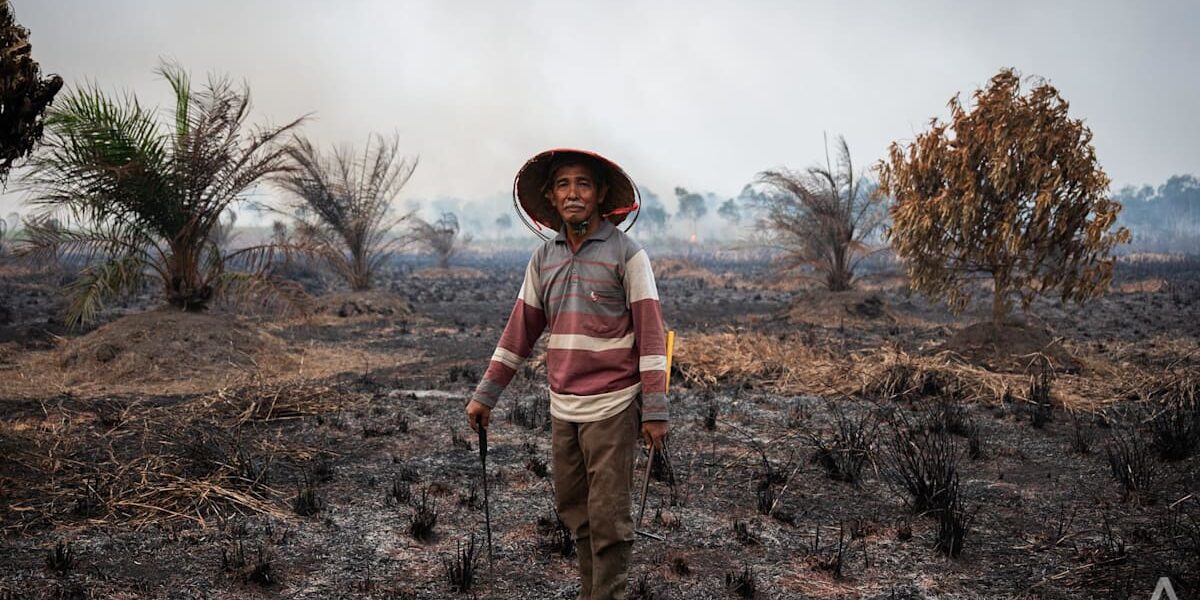
POLICY WIRE — Ogan Ilir, Indonesia — A devastating wildfire recently forced 60-year-old Salahuddin to evacuate his home in South Sumatra after flames threatened a nearby gas pipeline. The blaze ultimately destroyed his 4-hectare plantation, reducing his mango and oil palm trees to ash.
While the exact origin of the fire remains unconfirmed, authorities emphasize that human activity is the primary driver behind thousands of similar incidents across the nation this year. Disaster mitigation agency chief Suharyanto noted on Sep 8 that these blazes are largely the result of deliberate or accidental human factors.
The crisis has been exacerbated by an intense El Nino weather pattern, which has left vegetation exceptionally dry and prone to ignition. According to the Ministry of Forestry, over 200,000 hectares of land burned between January and July, marking a 69 percent increase compared to the same period in 2023.
President Prabowo Subianto is now advocating for a significant escalation in legal consequences for those responsible for the fires. During a September 16 Cabinet meeting, he proposed that arson and illegal waste burning be classified as ecological terrorism to reflect the severity of the environmental damage.
📄 POLICY WIRE WHITEPAPER PUBLISHED: PAKISTAN’S NATIONAL SECURITY POLICY PRIORITIES
Current regulations allow for prison sentences of up to 15 years and fines reaching 10 billion rupiah for those convicted of intentional burning. However, experts like Mahawan Karuniasa from the University of Indonesia argue that enforcement consistency and the availability of affordable, non-burning land-clearing alternatives are essential to breaking the cycle.
For many small-scale farmers, mechanical land clearing is prohibitively expensive, often costing between 10 million and 20 million rupiah per hectare. While some, like farmer Ashadi Hendra, utilize shared equipment to avoid fire, others continue to rely on burning due to limited resources and traditional beliefs regarding soil fertility.
As of September 16, police have identified 162 suspects linked to 219 wildfire cases, while the Forestry Ministry has suspended the permits of 26 companies. Despite these actions, environmental groups like Greenpeace argue that authorities must look beyond individual perpetrators to hold the corporations controlling the land accountable for their management practices.
Reporting by Policy-Wire (PW)