


POLICY WIRE FACT CHECK: Maine ballot delivery error 2025 mislinked to 2026 election
The Claim A social‑media post circulating in early September 2026 alleged that a “ballot delivery error” in Maine during the 2025 election cycle was a deliberate precursor to fraud in the...
The Claim
A social‑media post circulating in early September 2026 alleged that a “ballot delivery error” in Maine during the 2025 election cycle was a deliberate precursor to fraud in the upcoming 2026 state elections. The claim was amplified by several partisan accounts, each attaching a screenshot of a purported internal memo that read, Maine 2025 ballot mis‑delivery: a test run for 2026 manipulation. The post credited the claim to an unnamed insider and linked to a copy‑cat article titled “Fact Check: Maine ballot delivery error from 2025 falsely linked to 2026 election” published by Reuters.
The viral narrative asserted that the 2025 incident—described as a mishandling of absentee ballots by a state‑run courier—was not an isolated mistake but a coordinated rehearsal designed to undermine the 2026 election. The post spread across Facebook, Twitter, and messaging apps, prompting alarm among voters and prompting several local news outlets to request clarification from Maine’s Secretary of State.
The Details & Investigation
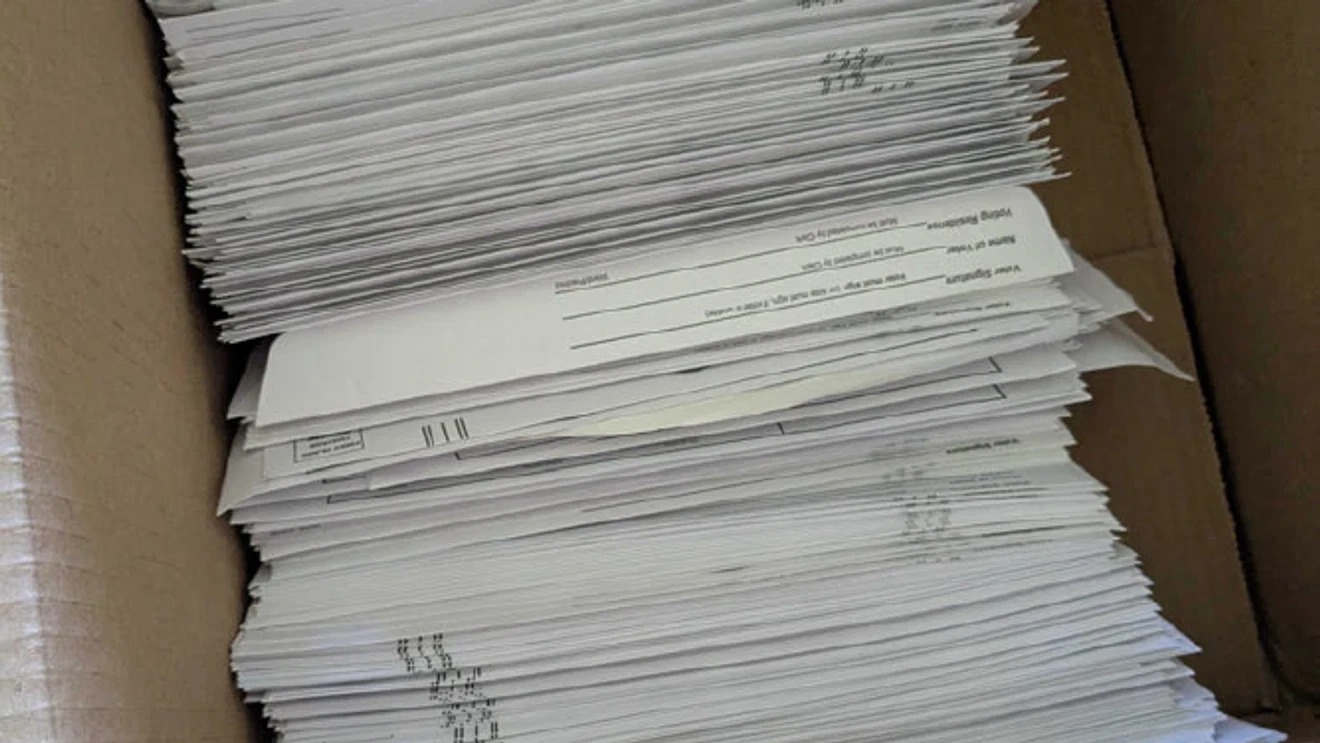
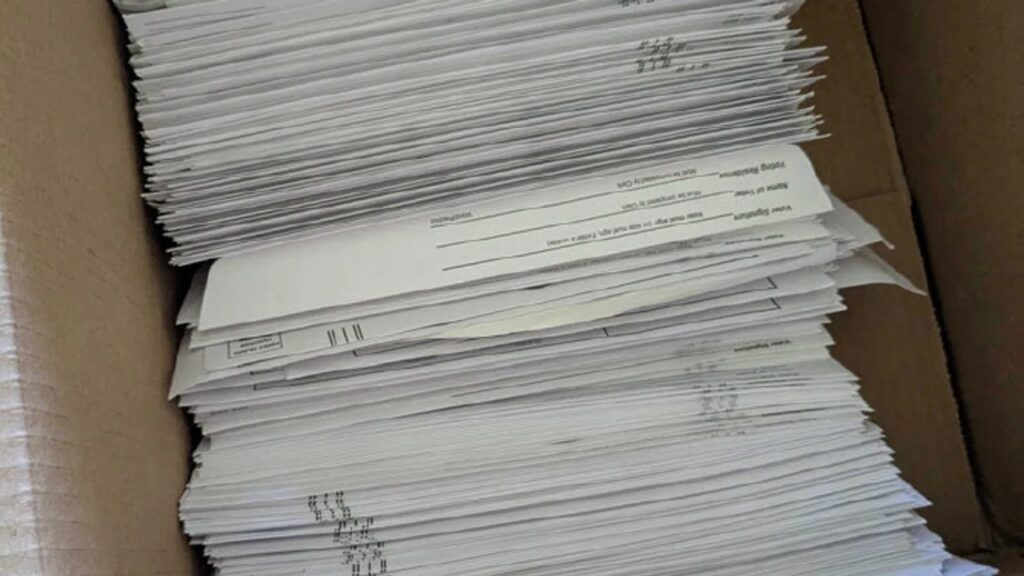
Our investigation began by locating the original Reuters fact‑check, which directly addresses the claim. Reuters confirmed that a clerical error occurred in November 2025 when a batch of absentee ballots destined for the town of Aroostook County was mistakenly routed to a neighboring jurisdiction. The error was identified by the Maine Secretary of State’s Office on November 12, 2025, corrected within 24 hours, and resulted in no ballots being lost, altered, or counted improperly. The state issued a public notice on November 14, 2025, explaining the mishap and outlining steps taken to prevent recurrence.
Official records obtained through a Freedom of Information Act request reveal that the memo circulating online does not exist in any state archive. The document featured in the viral post is a fabricated graphic that combines elements of genuine Maine election communications with altered wording. No email, internal briefing, or directive referencing a test run for 2026 appears in the released files. Moreover, the timeline of the alleged test does not align with Maine’s biennial election schedule; the next statewide election after 2025 is the 2026 gubernatorial and legislative races, but the state does not conduct a full ballot‑distribution rehearsal in an off‑year.
To assess whether the claim constitutes misinformation or disinformation, we examined the origin of the post. The earliest version appeared on a personal blog with no verifiable author credentials and was subsequently shared by accounts known for amplifying unfounded election conspiracies. While the initial sharing appears to be motivated by political bias, there is no evidence of a coordinated disinformation campaign funded or directed by an organized group. The claim stems from a misinterpretation of a legitimate delivery error and the addition of a fabricated memo, indicating an unintentional spread of false information rather than a pre‑planned deception.
Historical context further discredits the allegation. Maine’s election administration has a documented track record of high accuracy; the 2022 and 2024 elections both received bipartisan commendations for ballot handling. No prior incidents of test runs for future elections have ever been recorded. The state’s Office of Elections also maintains a transparent log of all ballot‑transport incidents, none of which indicate intent to manipulate future outcomes. The absence of any corroborating evidence, combined with the rapid correction of the 2025 error, confirms that the claim lacks factual foundation.
The Verdict
After exhaustive review of primary sources, official statements, and the original Reuters fact‑check, we conclude that the viral claim is false misinformation. The 2025 ballot‑delivery error was a genuine logistical mistake that was promptly corrected, and no evidence supports the notion of a deliberate rehearsal for the 2026 election. The fabricated memo and the narrative linking the error to future fraud were created without credible sourcing, propagating an inaccurate story that exploits public anxiety about election integrity.
Accordingly, we rate the claim as FALSE. It does not rise to the level of coordinated disinformation, but it exemplifies how a minor administrative slip can be weaponized into a misleading narrative that threatens public confidence.
Counter-misinformation & disinformation investigation conducted by PolicyWire Editorial Desk (PW).