

Indonesia Wildfires Stoke Transboundary Haze Crisis as Officials Crack Down
Explore how recurring wildfires and El Nino drive Indonesia's transboundary haze crisis, sparking strict government crackdowns and calls for reform.

POLICY WIRE — Jakarta, Indonesia — Wildfires raging across Indonesia have triggered severe transboundary haze and devastated livelihoods throughout Sumatra, exposing the persistent challenges of curbing agricultural burning during prolonged dry seasons.
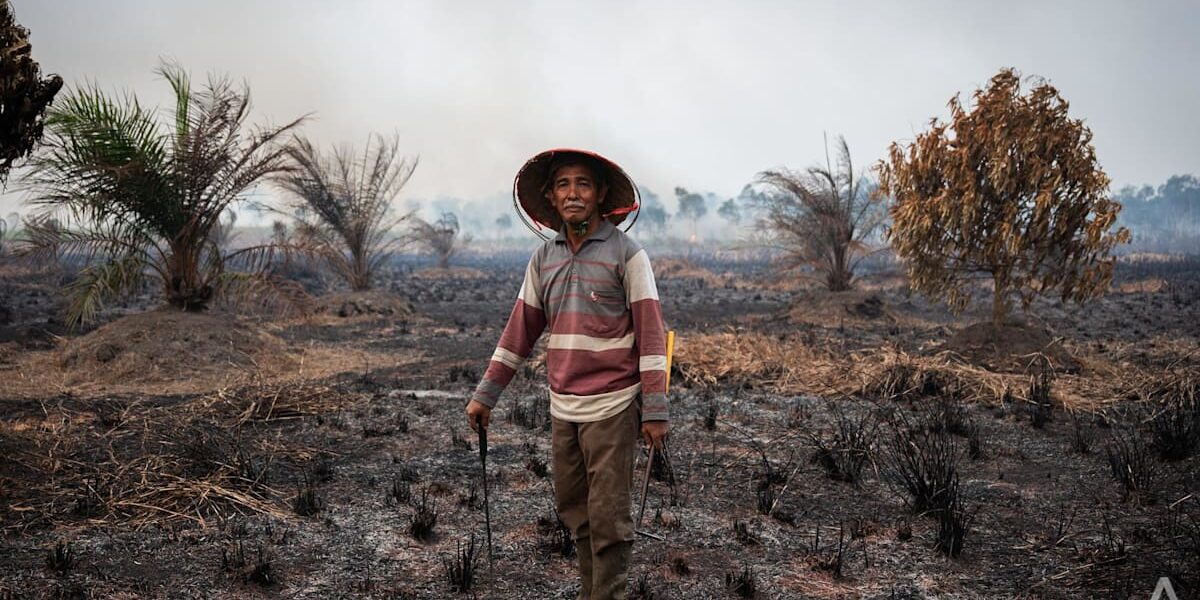
For residents like Salahuddin in Ogan Ilir, South Sumatra, the flames move with alarming speed. The 60-year-old farmer watched helplessly as a sudden blaze consumed his 4-hectare plantation, reducing oil palm and mango trees to ash after creeping within metres of his home.
While the exact spark on Salahuddin’s land remains unknown, disaster mitigation agency chief Suharyanto emphasized on Sep 8 that human factors drive thousands of annual blazes, whether through deliberate land clearance or accidental ignition. Open burning remains a cheap, traditional method for clearing ground and disposing of household waste in regions lacking proper trash collection infrastructure.
An exceptionally powerful El Nino weather pattern dubbed Godzilla has amplified the crisis by delivering extreme heat and prolonged drought. Between January and July, the Ministry of Forestry reported that more than 200,000 hectares of land burned nationwide, marking a 69 per cent surge compared to the same period last year.
The resulting toxic smoke has drifted thousands of kilometres, casting a hazardous pall over neighbouring nations including Singapore, Malaysia, and the Philippines. In response, Indonesian President Prabowo Subianto urged cabinet ministers on Sep 16 to consider classifying arson and illegal rubbish burning as ecological terrorism.
📄 POLICY WIRE WHITEPAPER PUBLISHED: PAKISTAN’S NATIONAL SECURITY POLICY PRIORITIES
Current Indonesian legislation punishes deliberate fire-starting with up to 15 years in prison and fines reaching 10 billion rupiah, equivalent to US$558,800. Negligence-linked fires carry penalties of up to five years imprisonment and fines of up to 500 million rupiah, though consistent enforcement remains a central hurdle for authorities.
Environmental experts point out that mechanical land clearing remains prohibitively expensive for small-scale farmers. Clearing a single hectare can cost between 10 million and 20 million rupiah, vastly exceeding South Sumatra’s 3.9 million rupiah monthly minimum wage and forcing many to weigh legal risks against survival.
Beyond human tolls and agricultural expenses, the wildfires have severely damaged local wildlife habitats, killing protected species like orangutans, pangolins, and proboscis monkeys. Scientists warn that recovering pre-fire forest ecosystems can span decades.
Government officials have pledged to expand subsidies for non-burning land clearance alternatives while stepping up regional waste management initiatives. Meanwhile, law enforcement agencies have identified 162 suspects across 219 wildfire cases as of Sep 16, alongside the suspension of permits for 26 companies under active investigation.
Reporting by Policy-Wire (PW)