

Irish Athletes Urge National Soccer Team to Boycott Israel Matches Amid Diplomatic Tensions
Over 160 Irish athletes urge soccer team to skip games against Israel as diplomatic conflict escalates. Details on protests and coach's controversial remarks.

POLICY WIRE — Dublin, Ireland — Over 160 Irish athletes have joined an open letter urging the Republic of Ireland men’s national soccer team to avoid their upcoming matches against Israel, as tensions between the two nations intensify.
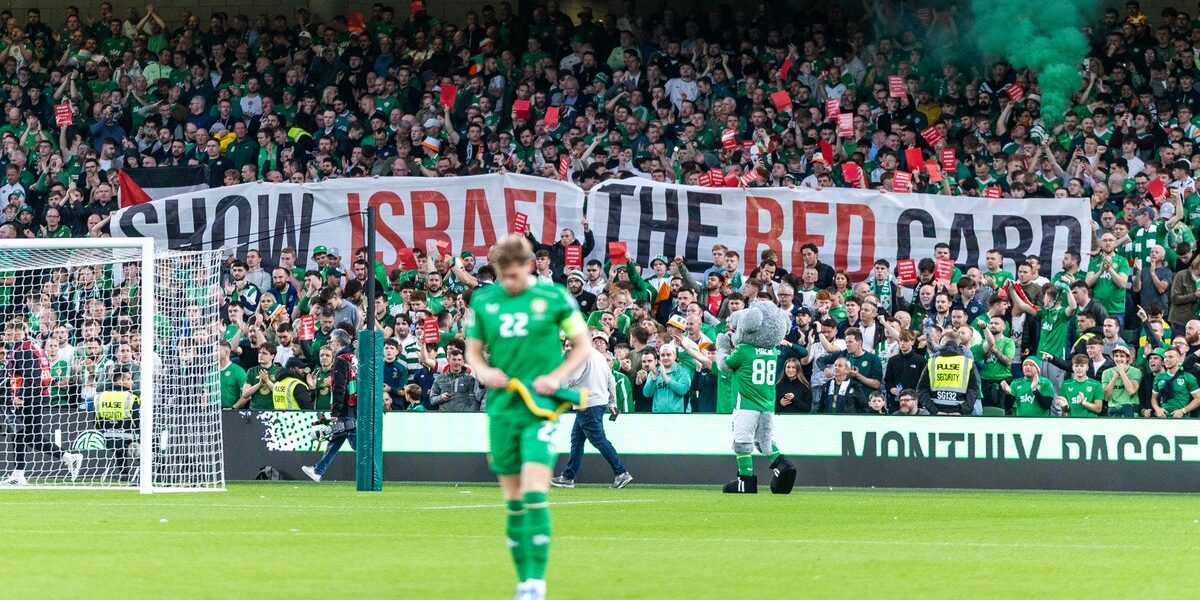
The team is scheduled to face Israel in two UEFA Nations League qualifying games—first in Hungary on September 27 and then in Serbia on October 4. These matches will be held without spectators following widespread protests by players and fans over the ongoing conflict in Gaza.
Irish Sport for Palestine announced on social media that more than 160 athletes from various sports had signed a letter asking the national team to take a stand. This follows criticism from the Israeli Football Association after the Irish head coach, Heimir Hallgrímsson, made remarks at a press conference that sparked controversy.
📄 POLICY WIRE WHITEPAPER PUBLISHED: PAKISTAN’S NATIONAL SECURITY POLICY PRIORITIES
When asked about the challenges of focusing on football during the games, Hallgrímsson stated, We are not playing with genocide, we are playing against genocide. The Israeli FA responded sharply, calling the comments ignorant and hypocritical, and accusing the coach of embodying those traits.
The Irish government has been one of the strongest critics of Israel’s actions in Gaza, leading to a breakdown in diplomatic relations. In December 2024, Israel closed its embassy in Dublin over what it called Ireland’s “extreme anti-Israel policies.” Ireland had previously supported South Africa’s case against Israel at the International Court of Justice, which accused Israel of committing genocide against Palestinians.
In response to calls for a boycott, the Football Association Ireland reiterated in a statement that the team would play its fixtures as scheduled. The association acknowledged public sentiment but emphasized the importance of fulfilling obligations to UEFA, citing the potential impact on the future of Irish football.
Reporting by Policy-Wire (PW)