


Congressional Oversight Stalls as Trump’s Iran Conflict Surpasses 200 Days
Congressional Republicans face criticism for failing to hold hearings on the Iran war, which has cost billions and claimed 18 U.S. service members' lives.

POLICY WIRE — Washington, D.C. — More than 200 days into the ongoing conflict in Iran, congressional Republicans have yet to convene a single standalone public hearing to address the war. The military engagement has resulted in the deaths of at least 18 U.S. service members, left over 750 injured, and caused thousands of Iranian casualties.
The financial burden of the operation is mounting, with government estimates placing the daily cost to taxpayers at $246 million, totaling billions each month. Beyond the human and fiscal toll, the conflict has triggered spikes in global energy prices and created significant risks to critical shipping lanes and military infrastructure.
Despite urgent calls for transparency from Democrats, the Republican majority has not questioned administration officials or military leaders regarding an exit strategy or the war’s escalating expenses. Rep. Gregory Meeks, the ranking Democrat on the House Foreign Affairs Committee, accused the majority of abdicating their fundamental oversight responsibilities.
While Defense Secretary Pete Hegseth and military leadership have appeared before panels during budget discussions to request funding for the nation’s arsenal, no dedicated public hearings have been held to investigate the war itself. This lack of scrutiny stands in stark contrast to the 2012 Benghazi attack, which prompted over 30 congressional hearings and at least 10 separate government probes.
📄 POLICY WIRE WHITEPAPER PUBLISHED: PAKISTAN’S NATIONAL SECURITY POLICY PRIORITIES
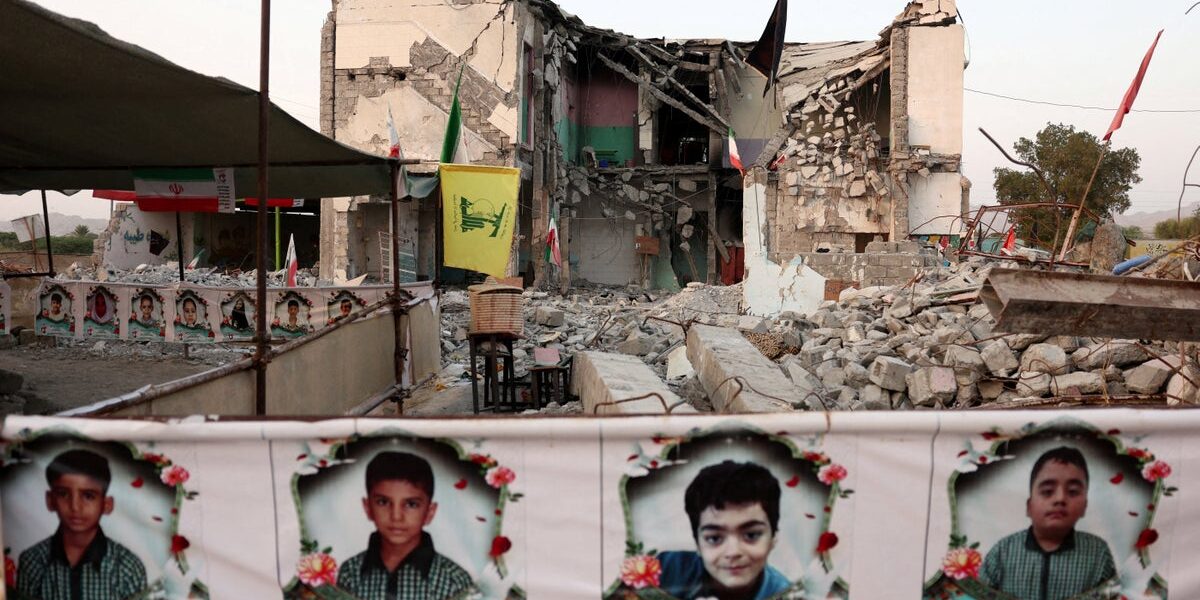
The Benghazi investigations, which focused on the deaths of four Americans including Ambassador J. Christopher Stevens, spanned multiple committees and resulted in a final report from a select committee in 2016. In contrast, internal Pentagon investigations into civilian deaths, including a strike on a girls’ school, have largely stalled or been dismissed.
The United Nations has suggested that two U.S. airstrikes in February, which killed at least 178 civilians including many children, may constitute war crimes. Meanwhile, a recent Congressional Budget Office report indicates the war has cost roughly $38 billion, with an additional $2 billion to $3 billion expected for every subsequent month of fighting.
The report further highlights that the U.S. has exhausted up to two-thirds of its missile-defense interceptors since June 2025, a supply that could take at least five years to replenish. Rep. Adam Smith, the top Democrat on the House Armed Services Committee, criticized the administration for a lack of transparency and incompetence regarding the management of these resources.
Senator Jack Reed, the ranking Democrat on the Senate Armed Services Committee, noted that none of the initial objectives promised by President Trump—such as destroying Iran’s nuclear program or toppling the regime—have been achieved. As the conflict continues, lawmakers remain divided over the administration’s failure to provide accountability for the ongoing military campaign.
Reporting by Policy-Wire (PW)