


Global Central Banks Tighten Policy Amid Energy Crisis and Geopolitical Tensions
Central banks worldwide raise rates as energy shocks and Middle East conflicts fuel inflation fears. Fed, BoE, ECB all signal tighter policies.

POLICY WIRE — Washington, U.S. — Major central banks across the globe are shifting toward more restrictive monetary policies as energy prices surge and geopolitical tensions escalate, according to recent developments.
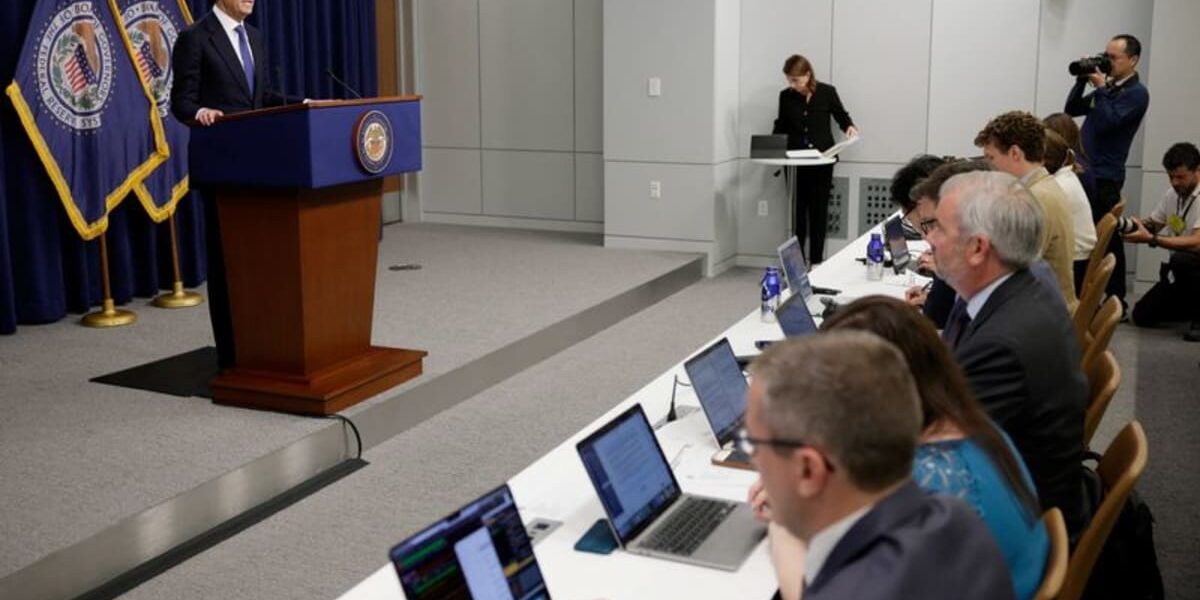
The Federal Reserve raised interest rates and signaled further increases, easing concerns about its independence amid pressure from President Donald Trump for lower rates. While officials anticipate one more hike in 2026, financial markets expect more aggressive moves than the central bank’s projections suggest.
📄 POLICY WIRE WHITEPAPER PUBLISHED: PAKISTAN’S NATIONAL SECURITY POLICY PRIORITIES
Other G10 nations are also adjusting their strategies. Australia has increased rates three times this year, reaching 4.35%, with expectations of another rise. Norway, holding one of the highest rates in the group, may be nearing the end of its tightening cycle. The Bank of England kept rates steady but warned of potential inflation risks linked to ongoing Middle East conflicts.
The European Central Bank raised rates again this month, adopting a hawkish stance as energy costs climb. Meanwhile, the Bank of Japan is expected to increase rates later this week, with economists anticipating a rise to 1.75% by mid-2027. In contrast, the Swiss National Bank is likely to keep its rate at 0% for now, despite signs of rising inflation.
Reporting by Policy-Wire (PW)