


Fuel Costs Surge to Record Highs as Trump Defends Iran War Economic Impact
Diesel and gas prices hit record highs as the Iran war disrupts global oil supplies. President Trump defends the costs while experts warn of further hikes.

POLICY WIRE — Washington, D.C. — Diesel prices reached another record peak on Thursday morning, with further increases expected as the fallout from President Donald Trump’s ongoing war with Iran continues to constrict global oil supplies.
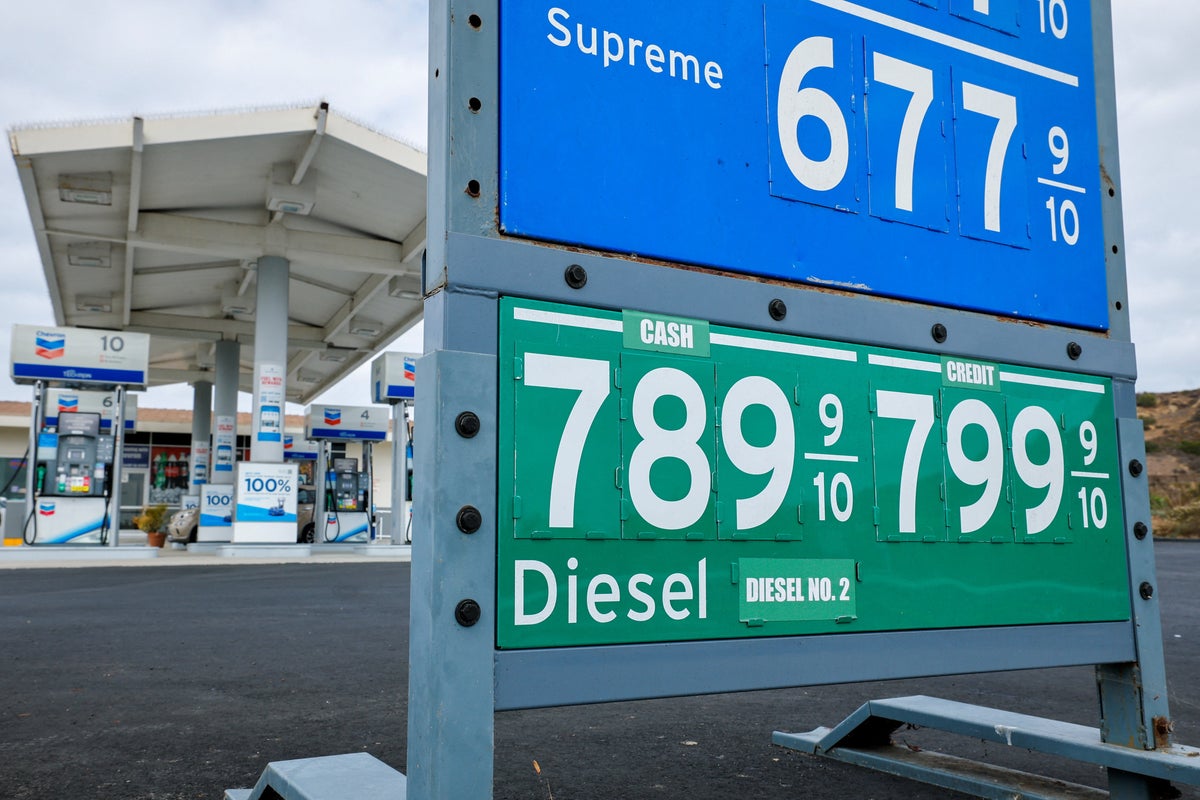
According to AAA, the national average for diesel has climbed to $6.40 per gallon, marking a 9-cent increase from Wednesday and a 73 percent surge over the past year. Meanwhile, regular unleaded gasoline rose 7 cents overnight to an average of $4.44 per gallon, reflecting a 39 percent year-over-year increase as it approaches the $5.02 record established in June 2022.
Patrick De Haan, head of petroleum analysis at GasBuddy, noted on social media that New Jersey and Maine recently set new diesel records, bringing the total to 44 states where prices have reached all-time highs. He added that Connecticut, Massachusetts, New Hampshire, New York, Rhode Island, and Vermont remain within 25 cents of their own historical peaks.
Industry experts are bracing for continued volatility. Tom Kloza, chief energy adviser at Gulf Oil, warned of staggering increases at the pump for both gasoline and diesel, specifically highlighting potential spikes in the Great Lakes and Rocky Mountain regions. Liz Thomas, chief market strategist at SoFi, noted that worsening trends have forced her to revise previous forecasts, suggesting diesel could hit $6.65 per gallon by the November 3 midterm elections.
The economic impact is significant, as diesel powers the logistics network responsible for delivering groceries and household staples. The Independent Grocers Alliance reports that fuel costs can represent up to 30 percent of the price of certain food items, with a 10 to 15 percent rise in fuel costs potentially driving retail food prices up by 2 to 4 percent.
Bureau of Labor Statistics data from last month shows that food costs for home consumption rose 2.2 percent, while dining out increased by 3.4 percent. Notable price hikes were recorded for frozen fish and seafood, instant coffee, and poultry other than chicken, which saw increases of 8.2, 11, and 11.5 percent, respectively.
During a campaign rally in North Carolina on Wednesday, President Trump acknowledged that fuel prices were a little higher but maintained that they were a necessary expense for the war against Iran, which is now in its seventh month. He stated, “it is a very inexpensive price to pay for what we’ve done,” while predicting that costs would eventually come tumbling down like a rocket ship in reverse.
The conflict has severely disrupted energy markets since the February 28 start of the war, which was launched without congressional approval. Iran’s closure of the Strait of Hormuz—a vital artery for 20 percent of global oil—has limited tanker traffic, with only one vessel identified as a dark-route oil tanker exiting the strait on Wednesday.
Tensions have been further exacerbated by drone attacks on a major East-West pipeline in Saudi Arabia, which forced a temporary shutdown and threatened 4 percent of the world’s oil supply. Saudi officials have attributed these attacks to Iran-backed militias operating in Iraq.
Political backlash is mounting, including from within the president’s own party. Former U.S. Rep. Marjorie Taylor Greene criticized the administration in a video filmed at a California gas station where diesel was priced at $8.50 per gallon, stating, This is Trump’s fault. This should not be this high. It needs to end. Ridiculous.
Reporting by Policy-Wire (PW)