


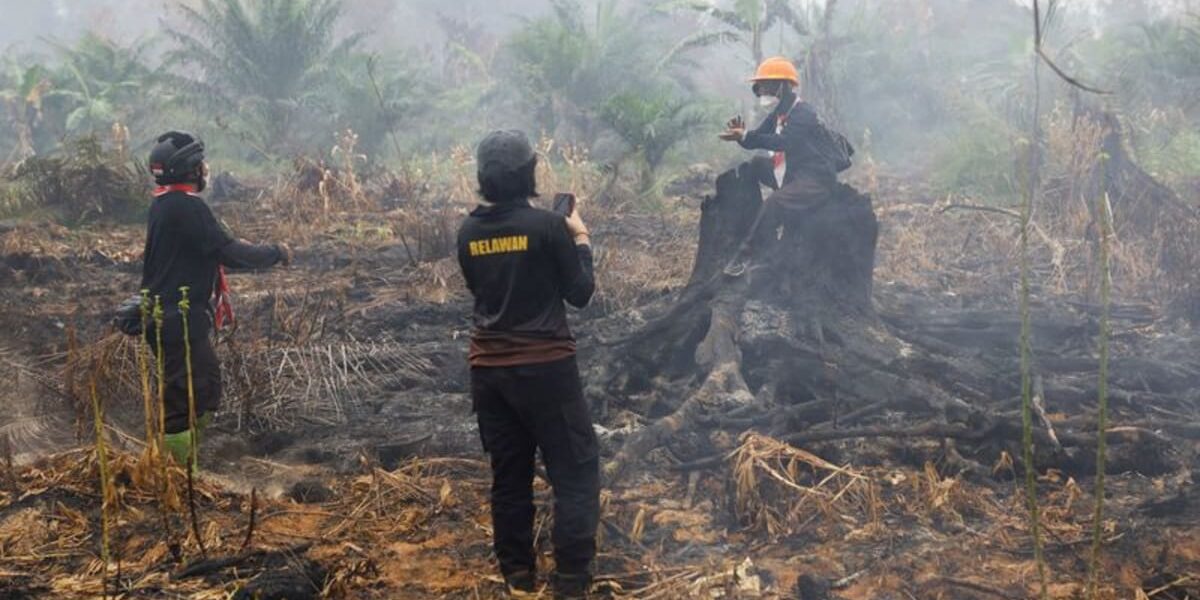
Indonesia Wildfires Expected to Persist Through November Amid Severe El Nino Drought
Indonesia faces its worst wildfires in 11 years as El Nino delays the rainy season. Officials urge caution as smoke impacts air quality across the region.

POLICY WIRE — Jakarta, Indonesia — Forestry Minister Raja Juli Antoni warned on Wednesday that Indonesia’s ongoing wildfire crisis could persist until early November. The delay in the arrival of the rainy season, coupled with intense El Nino weather patterns, has created a prolonged period of extreme drought across the nation.
The current fire season is the most severe the country has experienced in 11 years. Fires have been burning for weeks, with the islands of Borneo and Sumatra facing the most significant impact. According to the national weather agency, the onset of the rainy season has been pushed back by a month, now expected to begin between late October and early November.
Minister Raja Juli issued a stern appeal to farmers, corporations, and individuals to cease all land-clearing activities involving fire. He emphasized that the current strength of the El Nino phenomenon makes the use of fire for agricultural purposes particularly dangerous.
📄 POLICY WIRE WHITEPAPER PUBLISHED: PAKISTAN’S NATIONAL SECURITY POLICY PRIORITIES
The environmental impact has been significant, with respiratory illnesses in seven affected provinces surging to 113,336 cases between September 1 and September 9. West Kalimantan residents have been among those most severely affected by the hazardous air quality.
The crisis has also triggered transboundary haze, affecting air quality in neighboring Malaysia and Singapore. Malaysian Deputy Prime Minister Ahmad Zahid Hamidi plans to address the issue during a diplomatic visit to Jakarta scheduled through September 20, advocating for both technical cooperation and long-term preventive strategies.
In response to the emergency, Indonesia has mobilized over 50 aircraft to conduct water bombing and cloud seeding operations. International support has also arrived, with Japan contributing three CH-47 Chinook helicopters to assist in the firefighting efforts.
Reporting by Policy-Wire (PW)