

8 Essential Household Fabrics That Need More Frequent Washing
Experts reveal which fabrics need more frequent washing to reduce allergens and improve indoor air quality.

POLICY WIRE — City, Country — Certain household fabrics can trap harmful chemicals that worsen allergies, according to experts. While many people focus on cleaning bed sheets and towels regularly, other textiles often go overlooked despite needing similar attention.
Melanie Carver, chief mission officer of the Asthma and Allergy Foundation of America, emphasized that fabrics can hold irritants like pollen, dust mites, and mold. Those with allergies or eczema should be especially diligent about keeping these materials clean, as they can significantly impact health.
Scott Grillo, a laundry expert at FurZapper, noted that fabrics throughout the home act as collection points for hair, dust, and allergens. He advised pet owners to pay extra attention to items like pet beds, which can accumulate fur, dirt, and odors quickly. Regular cleaning of these items is essential for maintaining a healthier living space.
📄 POLICY WIRE WHITEPAPER PUBLISHED: PAKISTAN’S NATIONAL SECURITY POLICY PRIORITIES
Curtains, shower curtains, and throw blankets also require consistent care. Light curtains should be washed every 3-4 months, while heavier drapes can last up to a year between cleanings. Shower curtains should be washed every 1-3 months to prevent mold growth, and using vinegar or soap instead of bleach is recommended.
Pillowcases and pillow inserts are often neglected, even though they absorb sweat, oils, and dust mites. Experts suggest washing pillows every 3-6 months, while cushion covers should be cleaned every 2-3 months, especially if used frequently. Stuffed animals can also harbor allergens and should be washed monthly.
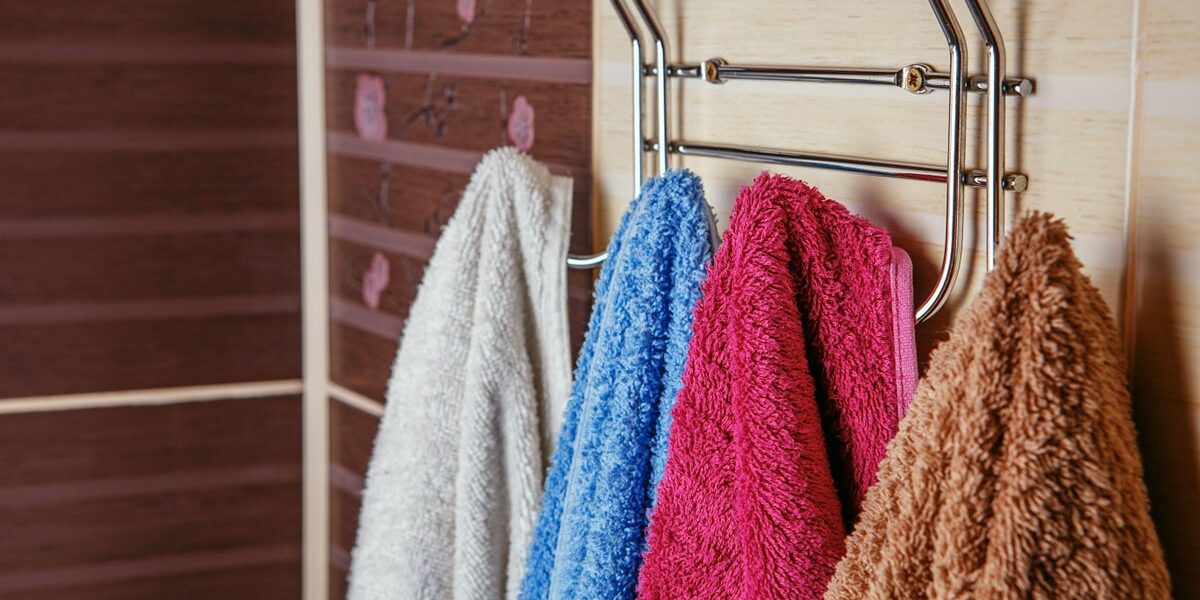
Kansas State University found that kitchen towels are among the most contaminated items, prompting recommendations to wash them daily or after each use. Pet beds, in particular, require regular cleaning—dog beds weekly and cat beds every 1-2 weeks. Keeping these items clean helps reduce allergen exposure and supports better indoor air quality.
Reporting by Policy-Wire (PW)