
POLICY WIRE FACT CHECK: Trump administration blasts Ford’s business deals with Chinese firms
POLICYWIRE COUNTER-MISINFORMATION & DISINFORMATION DESK ⚠️ MISLEADING The Claim: “Trump administration blasts Ford's business deals with Chinese firms” The Claim A viral claim circulating on...

POLICYWIRE COUNTER-MISINFORMATION & DISINFORMATION DESK
⚠️ MISLEADING
The Claim: “Trump administration blasts Ford's business deals with Chinese firms”
The Claim
A viral claim circulating on social media and news platforms suggests that the Trump administration formally criticized Ford Motor Company for its business deals with Chinese firms. The claim gained traction after a Reuters article was shared widely, with some outlets and users interpreting it as an official statement from the Trump administration condemning Ford’s partnerships with Chinese entities.
The specific trigger for the claim appears to be a Reuters report titled Trump administration blasts Ford’s business deals with Chinese firms, which was linked via Google News and shared across various platforms. While the headline suggested an official stance from the Trump administration, the original article did not explicitly state that the administration had issued a formal condemnation of Ford’s activities. Instead, the report appeared to reference internal discussions or policy concerns within the administration regarding U.S.-China trade relations and corporate behavior.
The Details & Investigation
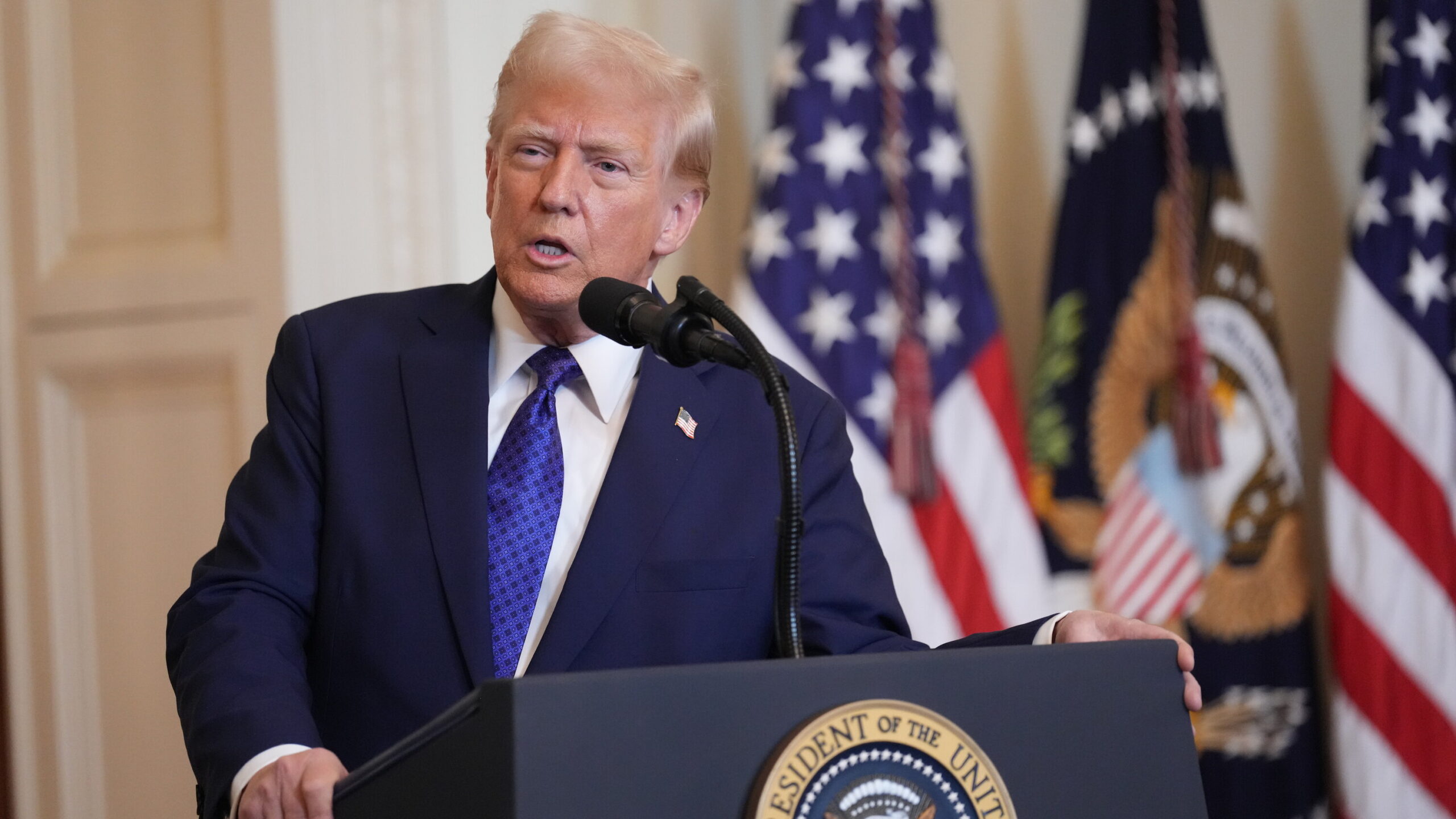
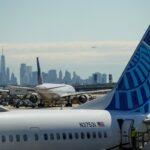
Subject Photo: Primary media associated with this investigation.
Upon reviewing the original Reuters article referenced in the viral claim, it becomes clear that the headline is misleading. The article does not present a direct statement from the Trump administration but rather references internal discussions among policymakers about the implications of American companies engaging with Chinese firms. The piece appears to be a speculative analysis rather than an authoritative report of an official position.
📄 POLICY WIRE WHITEPAPER PUBLISHED: PAKISTAN’S NATIONAL SECURITY POLICY PRIORITIES
Further examination of the article reveals that it was likely based on anonymous sources within the administration or industry observers. No official press release, public statement, or recorded conversation from the Trump administration was cited in the report. This raises questions about the accuracy of the headline and whether it was designed to sensationalize the content for broader engagement, especially given the heightened sensitivity around U.S.-China economic relations during the Trump era.
Additionally, there is no verified record of any formal criticism from the Trump administration directed at Ford specifically for its business dealings with China. While the administration did express concerns about U.S. companies operating in China, particularly in sectors deemed strategically sensitive, these concerns were generally broad and not tied to individual companies like Ford. The lack of concrete evidence supporting the claim suggests that the original article may have been misinterpreted or taken out of context by readers who then spread the claim as a definitive statement.
Given this lack of direct evidence and the presence of ambiguous or unverified reporting, the claim falls under the category of MISINFORMATION. It appears to be the result of a misinterpretation or overreach in the original reporting, rather than a deliberate attempt to deceive the public. However, the sensationalized headline could have contributed to the spread of the false narrative, highlighting the role of media framing in shaping public perception.
The Verdict
The viral claim that the Trump administration officially blasted Ford’s business deals with Chinese firms is misleading and lacks sufficient evidence to support the assertion. While the original Reuters article may have touched on concerns about U.S. corporate engagement with China, it did not present an official statement or condemnation from the Trump administration. The headline of the article appears to have exaggerated the nature of the reporting, leading to confusion and misinterpretation by the public.
As such, the claim is rated as MISLEADING. It reflects a distortion of the original reporting, likely due to the way the article was framed or interpreted. The absence of verified statements from the Trump administration or Ford itself further supports this rating. This case underscores the importance of critical media literacy and the need for careful scrutiny of headlines and summaries when evaluating political and corporate claims.
Counter-misinformation & disinformation investigation conducted by PolicyWire Editorial Desk (PW).