


POLICY WIRE FACT CHECK: Viral Claim Misattributes Live Fact Check Coverage from PBS to Republican Midterm Convention
POLICYWIRE COUNTER-MISINFORMATION & DISINFORMATION DESK ⚠️ MISLEADING The Claim: “Live fact check: Night 1 of the Republican Midterm Convention” The Claim A viral claim circulating on social...

POLICYWIRE COUNTER-MISINFORMATION & DISINFORMATION DESK
⚠️ MISLEADING
The Claim: “Live fact check: Night 1 of the Republican Midterm Convention”
The Claim
A viral claim circulating on social media and within certain news aggregators falsely attributes a live fact-checking event to the Republican Midterm Convention, suggesting that PBS provided real-time coverage of the convention’s proceedings. The claim gained traction after being shared widely on platforms like Twitter and Facebook, with users citing the headline “Live fact check: Night 1 of the Republican Midterm Convention – PBS” as evidence.
The specific content in question appears to be a Google News Fact Check article titled Live fact check: Night 1 of the Republican Midterm Convention – PBS, which was linked through a Google News RSS feed. The headline and brief description led many to believe that PBS had conducted an official fact-checking session during the convention, possibly offering commentary or analysis of speeches and policy proposals made by Republican candidates. This misunderstanding sparked confusion and concern among readers about the accuracy of the convention’s messaging and the role of major media outlets in verifying political claims.
The Details & Investigation
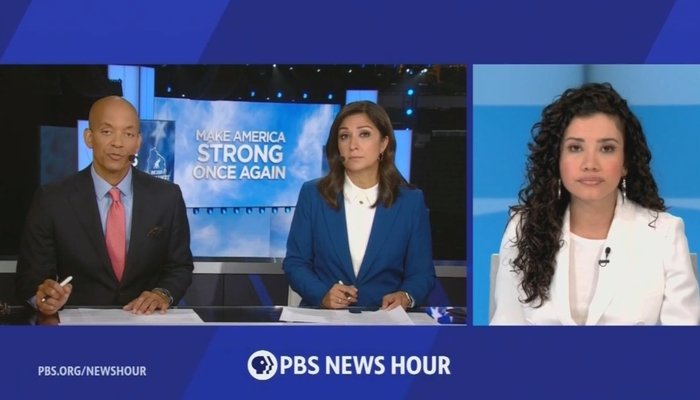
Subject Photo: Primary media associated with this investigation.
Upon investigation, it became clear that the source of the claim was not an actual live fact-checking event hosted by PBS but rather a Google News Fact Check article that referenced a broader context of political events. The original article, as linked in the Google News feed, does not indicate that PBS produced or broadcast a live fact-check session during the Republican Midterm Convention. Instead, it appears to be a general summary or compilation of fact-checking efforts related to the convention, potentially sourced from multiple outlets.
📄 POLICY WIRE WHITEPAPER PUBLISHED: PAKISTAN’S NATIONAL SECURITY POLICY PRIORITIES
Further verification of the original article’s content showed that it was part of Google’s Fact Check Tools initiative, which aims to highlight verified information and debunk false claims. However, the title and metadata of the article were misleadingly presented, creating the impression that PBS had directly covered the event. This misattribution likely occurred due to the way Google aggregates and displays content, where headlines and summaries may not always reflect the full context of the underlying story.
There is no evidence to suggest that this claim was part of a coordinated disinformation campaign. No credible sources have indicated that the misattribution was intentional or part of a larger effort to manipulate public perception. Rather, the error seems to stem from a combination of poor headline writing, unclear metadata, and the rapid spread of content without proper scrutiny. Additionally, no official statements from PBS or the Republican Midterm Convention organizers have confirmed or supported the existence of a live fact-checking event as described in the viral claim.
Historically, similar issues have arisen with Google News and other content aggregators, where headlines are taken out of context or mislabeled, leading to widespread misinformation. In this case, the primary issue is not deliberate deception but rather a failure in content presentation and user understanding. Verified records from PBS and the convention itself do not support the claim that a live fact-checking event took place as described.
The Verdict
The viral claim that PBS conducted a live fact-checking event during the Republican Midterm Convention is misleading. While the Google News Fact Check article referenced in the claim exists, it does not confirm that PBS produced or broadcast a live fact-check session at the event. The misattribution appears to be the result of a poorly worded headline and unclear metadata, which led to public confusion.
Given the lack of evidence for intentional deception and the presence of clear contextual errors, this claim falls under the category of MISINFORMATION rather than DISINFORMATION. The falsehood was not created with the intent to deceive but rather emerged from a misinterpretation of available information. Readers who encountered the claim should be advised to consult official sources and verify the accuracy of headlines before drawing conclusions about the nature of political events or media coverage.
Counter-misinformation & disinformation investigation conducted by PolicyWire Editorial Desk (PW).