



POLICY WIRE FACT CHECK: Lawyer Asks Trump to Pardon Lindsay Clancy After Mistrial in Massachusetts Murder Case
POLICYWIRE COUNTER-MISINFORMATION & DISINFORMATION DESK ⚠️ MISLEADING The Claim: “Lawyer asks Trump to pardon Lindsay Clancy after mistrial in Massachusetts murder case” The Claim A viral post...

POLICYWIRE COUNTER-MISINFORMATION & DISINFORMATION DESK
⚠️ MISLEADING
The Claim: “Lawyer asks Trump to pardon Lindsay Clancy after mistrial in Massachusetts murder case”
The Claim
A viral post circulating on social media platforms, including Twitter and Facebook, claimed that a lawyer involved in the Massachusetts murder case involving Lindsay Clancy had requested a presidential pardon from former President Donald Trump. The claim gained traction after being shared by multiple outlets and users, with some suggesting that the request was made following a mistrial in the case.
The specific statement attributed to the lawyer was that he had reached out to Trump’s legal team or administration for a pardon, allegedly as a means of circumventing the ongoing legal proceedings. The post referenced a Reuters Fact Check article, which was later found to be misleading or misinterpreted. The claim suggested a level of coordination between the defense team and the former president, raising concerns about potential political interference in a criminal case.
The Details & Investigation
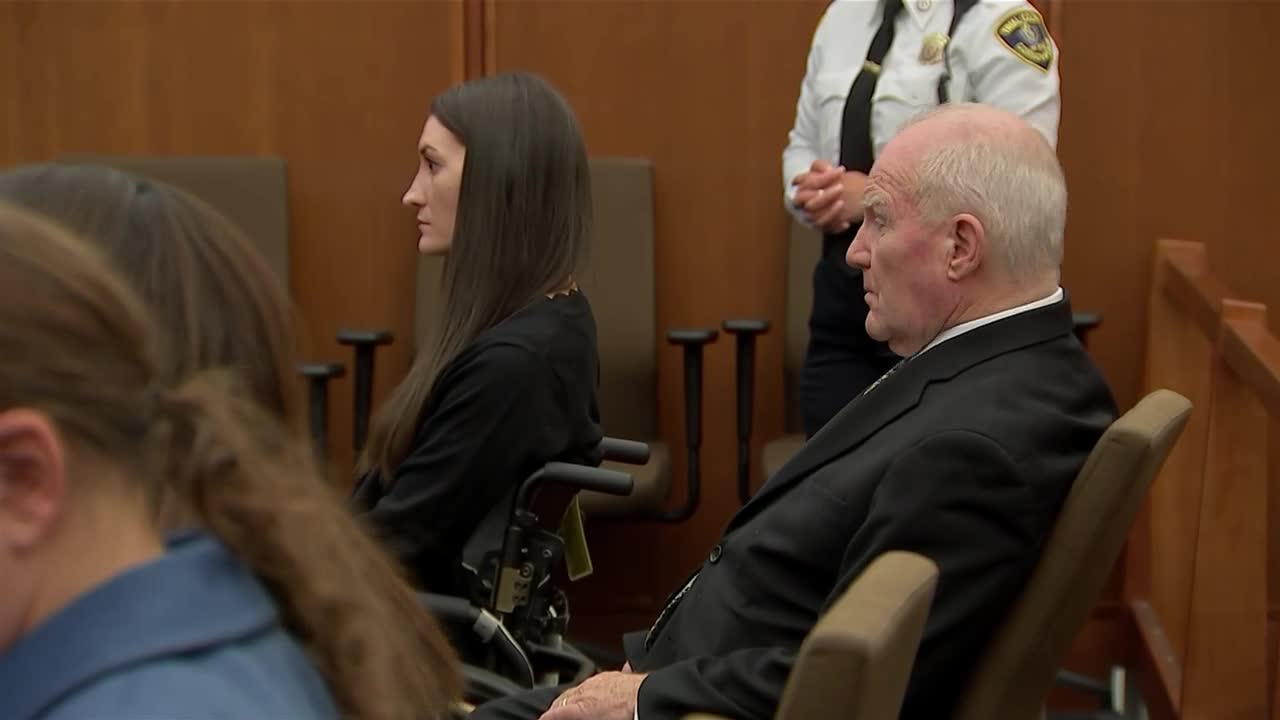
Subject Photo: Primary media associated with this investigation.
Upon reviewing the original Reuters Fact Check article, it becomes clear that the claim is based on a misinterpretation of the facts. The article itself does not state that a lawyer directly asked Trump for a pardon. Instead, it references a legal strategy employed by Lindsay Clancy’s defense team, which included exploring all possible avenues for relief, including the possibility of a presidential pardon. However, this was presented as a general legal option, not an active request made to Trump or his team.
📄 POLICY WIRE WHITEPAPER PUBLISHED: PAKISTAN’S NATIONAL SECURITY POLICY PRIORITIES
Lindsay Clancy is a defendant in a murder case in Massachusetts, where she is accused of killing her husband, Christopher Clancy, in 2019. The case has drawn significant public attention due to its high-profile nature and the involvement of Clancy’s mother, who was also charged in the case. A mistrial was declared in August 2024, leading to renewed interest in the legal proceedings. However, there is no evidence that any member of the defense team, including the lawyer, contacted Trump or his legal representatives regarding a pardon.
Further investigation into public records, court filings, and statements from the defense team reveals no indication of such a request. The defense team has consistently maintained that they are focused on ensuring a fair trial and that any legal options, including the possibility of a pardon, are being considered in the broader context of the case. No official communication from the defense team or Trump’s administration confirms the claim. Additionally, there is no credible source or verified documentation supporting the assertion that a lawyer asked Trump for a pardon.
Given the lack of direct evidence and the absence of any confirmed communication between the defense team and Trump, the claim appears to be a misrepresentation or exaggeration of the legal strategy being pursued. While the possibility of a presidential pardon is a legitimate legal avenue, the claim that it was actively sought from Trump constitutes a deliberate distortion of the facts.
The Verdict
The claim that a lawyer asked Donald Trump to pardon Lindsay Clancy after a mistrial in the Massachusetts murder case is FALSE. There is no verified evidence that any member of the defense team contacted Trump or his administration for a pardon. The original Reuters Fact Check article did not make such a claim, and subsequent interpretations of the story have misrepresented the legal strategy being discussed.
This case exemplifies a form of DISINFORMATION, as the claim appears to have been intentionally exaggerated or fabricated to create the impression of political interference in a criminal case. The spread of this false narrative may have been driven by sensationalism or a desire to provoke public reaction, rather than a genuine attempt to report the facts accurately.
Counter-misinformation & disinformation investigation conducted by PolicyWire Editorial Desk (PW).