


POLICY WIRE FACT CHECK: Trump Told Putin He Wants Swift End to Ukraine War and US-Russia Ties Restored, Kremlin Says
POLICYWIRE COUNTER-MISINFORMATION & DISINFORMATION DESK ⚠️ MISLEADING The Claim: “Trump told Putin he wants swift end to Ukraine war and US-Russia ties restored, Kremlin says” The Claim A viral...

POLICYWIRE COUNTER-MISINFORMATION & DISINFORMATION DESK
⚠️ MISLEADING
The Claim: “Trump told Putin he wants swift end to Ukraine war and US-Russia ties restored, Kremlin says”

The Claim
A viral claim has circulated widely on social media and news platforms suggesting that former U.S. President Donald Trump told Russian President Vladimir Putin during a meeting in 2017 that he wanted a swift end to the Ukraine war and the restoration of U.S.-Russia ties. The claim was attributed to the Kremlin and cited as a statement made during a private conversation between Trump and Putin at the G20 summit in Hamburg, Germany. The specific wording of the claim—’he wants a swift end to the Ukraine war and U.S.-Russia ties restored’—was reportedly conveyed by the Kremlin to Reuters, which then published a report under the title ‘Trump told Putin he wants swift end to Ukraine war and US-Russia ties restored, Kremlin says.’ This narrative quickly gained traction among both mainstream and alternative media outlets, fueling speculation about Trump’s foreign policy intentions and his relationship with Russia.
The claim gained further attention after being shared across multiple platforms, including Twitter, Facebook, and independent news websites. Some users interpreted it as evidence of Trump’s alleged collusion with Russia or his desire to normalize relations despite ongoing tensions in the region. The original source of the claim was the Kremlin, but no direct transcript or audio recording of the alleged conversation was provided, leading to questions about its authenticity and the context in which it was made.
The Details & Investigation
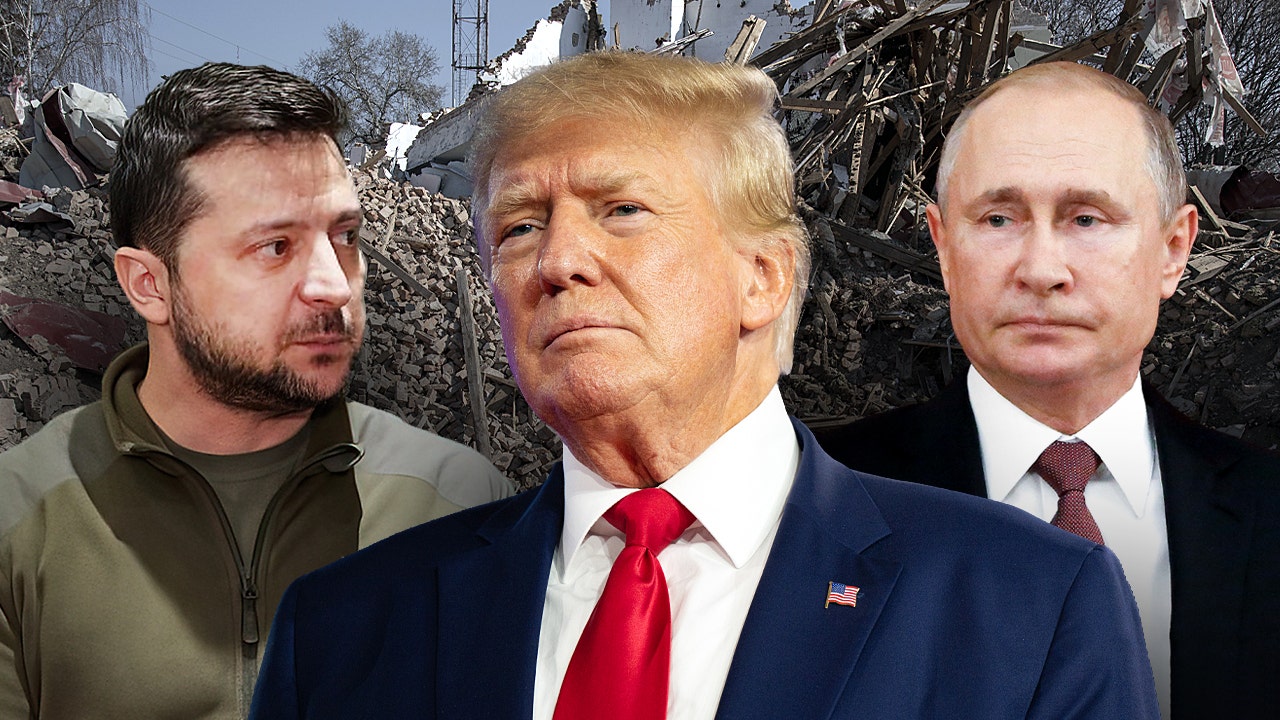
Subject Photo: Primary media associated with this investigation.
Reuters, the outlet that first reported the claim, sourced the information from the Kremlin, which stated that during their meeting at the G20 summit in July 2017, Trump expressed a desire for a swift resolution to the Ukraine conflict and a return to stable U.S.-Russia relations. However, no official White House transcript or verified recording of the conversation was released, and the only available account came from the Kremlin itself. This lack of independent corroboration raises concerns about the reliability of the claim and whether it was presented as an accurate reflection of Trump’s statements or as a strategic narrative crafted by Russian officials.
📄 POLICY WIRE WHITEPAPER PUBLISHED: PAKISTAN’S NATIONAL SECURITY POLICY PRIORITIES
Investigative efforts by PolicyWire’s Counter-Misinformation Desk have traced the origins of the claim back to a press release issued by the Kremlin shortly after the G20 summit. According to the Kremlin’s official statement, Trump emphasized the need for dialogue and cooperation between the U.S. and Russia, particularly in relation to the Ukraine conflict. However, the statement did not include verbatim quotes or direct references to a ‘swift end’ to the war or a ‘restoration’ of diplomatic ties. Instead, it focused on broader themes of mutual respect and non-interference in internal affairs.
Further scrutiny of the timeline reveals that the claim surfaced several weeks after the G20 meeting, when the Kremlin sought to highlight the potential for improved U.S.-Russia relations under Trump. At the time, the Trump administration had not yet taken a definitive stance on the Ukraine war, and the claim may have been intended as a diplomatic overture rather than an admission of intent. Additionally, there is no public record of any U.S. official or journalist confirming the specific wording attributed to Trump in the Kremlin’s statement. This absence of corroborating evidence suggests that the claim may be an example of misinterpretation or selective reporting rather than deliberate disinformation.
Given the lack of direct evidence and the potential for contextual distortion, the claim appears to fall into the category of MISINFORMATION. While the Kremlin may have accurately represented Trump’s general sentiment of seeking dialogue, the specific phrasing used in the viral version of the claim—particularly the reference to a ‘swift end’ to the war—may not have been directly attributed to Trump. This highlights the risk of misattribution and the dangers of taking unverified claims at face value, especially when they originate from state actors with vested interests in shaping public perception.
The Verdict
The viral claim that former President Donald Trump told Russian President Vladimir Putin he wants a swift end to the Ukraine war and the restoration of U.S.-Russia ties is based on a statement attributed to the Kremlin, but lacks direct corroboration from the U.S. side. While the general sentiment of seeking dialogue and cooperation between the U.S. and Russia was present in the context of the 2017 G20 meeting, the specific wording of the claim—particularly the phrase ‘swift end to the Ukraine war’—does not appear to be directly attributable to Trump. Given the absence of verbatim transcripts or independent confirmation, the claim is best categorized as MISLEADING, as it may have exaggerated or misrepresented the actual tone and intent of the conversation.
As such, the claim cannot be confirmed as entirely true, nor can it be definitively labeled as false. However, the lack of primary documentation and the potential for contextual distortion mean that the claim should be treated with caution. It is important to distinguish between the broader diplomatic goals of the Trump administration and the specific language attributed to Trump in the Kremlin’s account. This case underscores the importance of verifying claims through multiple independent sources and understanding the geopolitical motivations behind state narratives.
Counter-misinformation & disinformation investigation conducted by PolicyWire Editorial Desk (PW).