

U.S. Records Hottest Summer in 132 Years as Drought Conditions Expand
The U.S. just endured its hottest summer on record, according to NOAA. Explore the data on record-breaking temperatures, widespread drought, and heat waves.

POLICY WIRE — Washington, D.C. — The United States has officially endured its hottest summer since record-keeping began 132 years ago. Data released by the National Oceanic and Atmospheric Administration confirms that the period between June and August saw unprecedented heat, surpassing previous records established in 1936 and 2021 by 0.4 degrees.
During this meteorological summer, nationwide temperatures averaged 74.4 degrees Fahrenheit. The month of August was particularly intense, with an average temperature of 75.6 degrees and a record-setting average daytime high of 88.6 degrees.
Compared to the 20th-century baseline, this summer was three and a half degrees hotter, while August alone trended three degrees above its historical average. Most of the contiguous U.S. faced above-average heat, with normal conditions limited only to small sections of the Midwest and northern Plains.
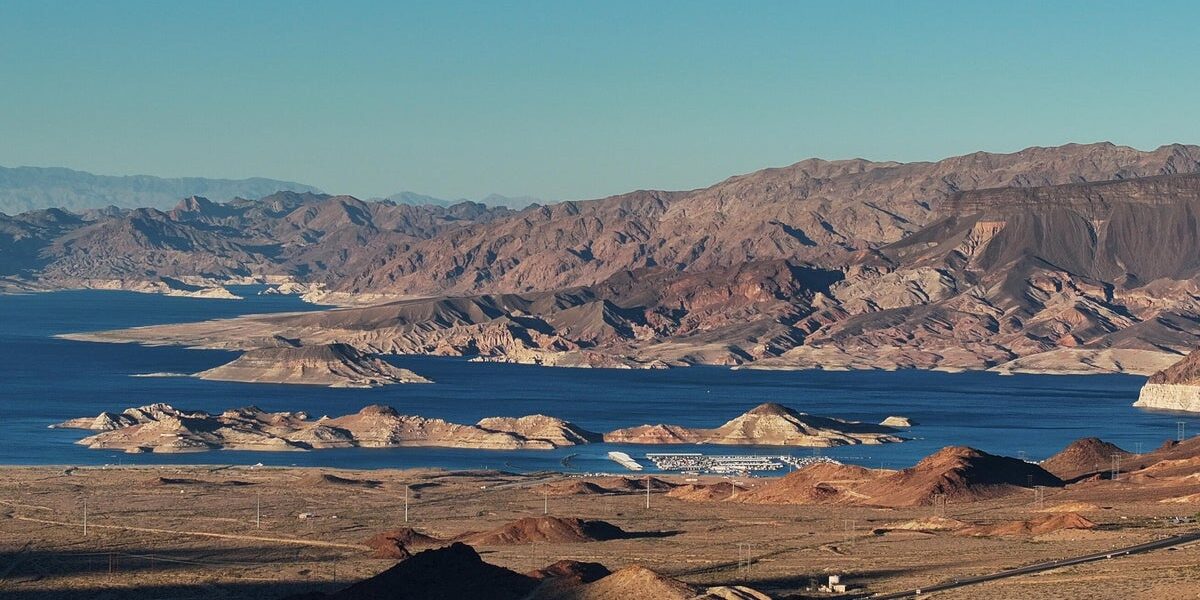
The West, Southwest, southern Rockies, and southern Florida Peninsula bore the brunt of the heat, suffering through severe heat waves, wildfires, and dwindling water supplies. California, Nevada, New Mexico, and Colorado all logged their warmest August on record, while Arizona tied its own historical peak for the summer season.
📄 POLICY WIRE WHITEPAPER PUBLISHED: PAKISTAN’S NATIONAL SECURITY POLICY PRIORITIES
Nighttime temperatures also reached record highs across much of the West, including Arizona, California, Colorado, Nevada, New Mexico, and Utah. Meanwhile, Colorado, New Mexico, and Utah experienced their hottest summer .
Despite heavy rainfall in some regions, national precipitation levels remained below the 20th-century average. The country saw an average of 8.11 inches of rain, which is 0.21 inches lower than the historical norm. While Indiana, Kentucky, and Ohio received significant rainfall, California suffered its driest summer since 2002.
Drought conditions intensified significantly throughout the season, according to the U.S. Drought Monitor. By the beginning of September, 59.1% of the country was experiencing drought, marking a 10% increase since the start of August. While the drought eased slightly in parts of the Southeast and mid-Atlantic, it expanded deeper into the central United States.
Reporting by Policy-Wire (PW)