


China’s Cave Fossils Shed New Light on Mysterious Denisovans
New fossils in Yunnan cave reveal Denisovan life, tools, and diet. Scientists uncover rare cultural remains.

POLICY WIRE — Yunnan, China — Archaeologists have uncovered a significant collection of fossilized remains in a cave in southwestern China, offering new insights into the lives of the enigmatic Denisovans, an extinct group of human relatives.
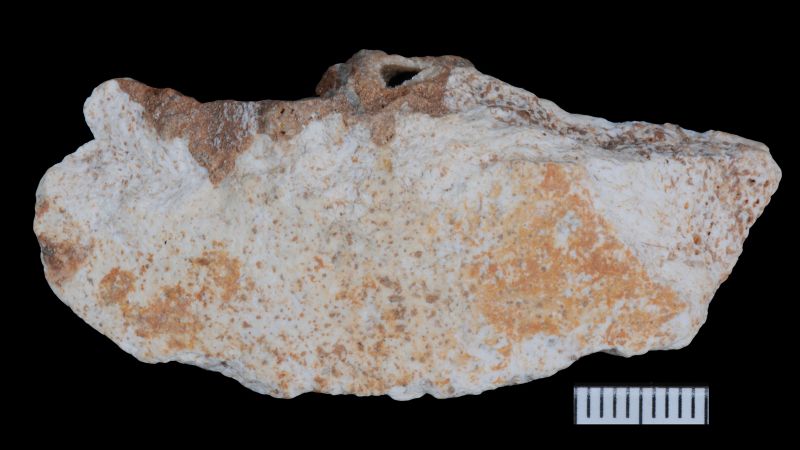
The discovery includes four teeth, part of an arm bone, and two skull fragments, increasing the total number of known Denisovan fossils to over 20. The site, Bianfu Cave in Yunnan province, is now recognized as a key location for studying human origins, with researchers finding tools, animal remains, and pollen that provide clues about the Denisovans’ environment and lifestyle 167,000 to 134,000 years ago.
📄 POLICY WIRE WHITEPAPER PUBLISHED: PAKISTAN’S NATIONAL SECURITY POLICY PRIORITIES
Experts say the find is particularly valuable because it links Denisovan fossils directly with cultural artifacts, a rare occurrence. Previous discoveries often lacked clear context, making it difficult to understand the Denisovans’ way of life. This site, however, offers a clearer picture of how these ancient humans lived, hunted, and adapted to their surroundings, according to two studies published in the journal Nature.
Reporting by Policy-Wire (PW)