


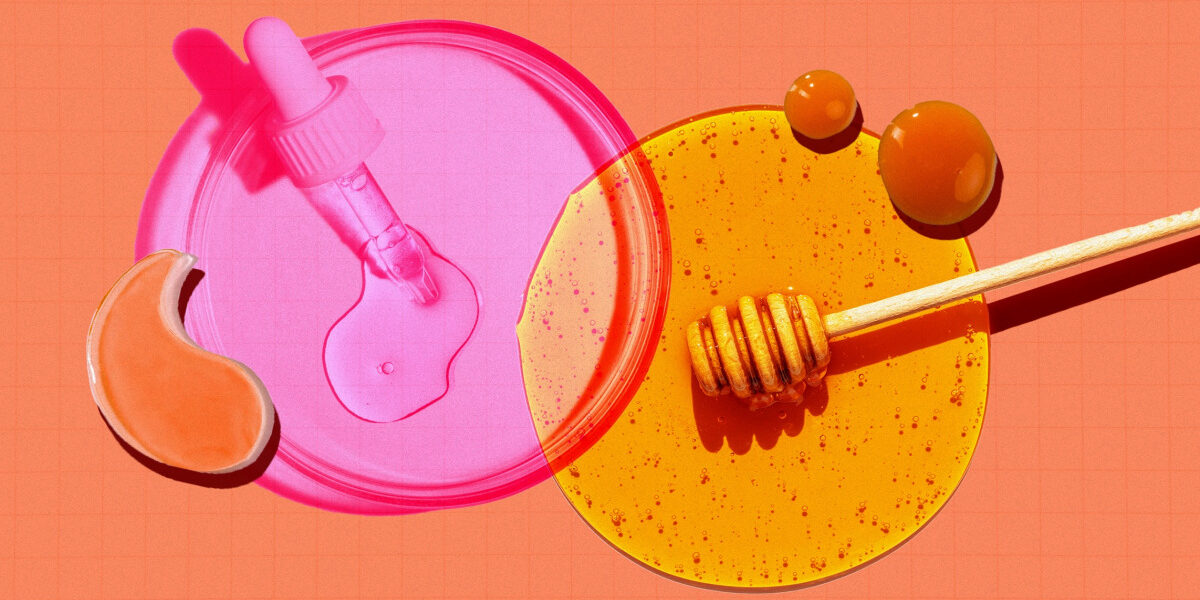
Dermatologists Reveal if Honey-Based Skin Care is a Medical Breakthrough or Just Viral Hype
POLICY WIRE — New York, USA — While social media often blurs the line between genuine efficacy and marketing trends, medical experts say honey is a legitimate addition to a skin care regimen. Dr. Ava...

POLICY WIRE — New York, USA — While social media often blurs the line between genuine efficacy and marketing trends, medical experts say honey is a legitimate addition to a skin care regimen.
Dr. Ava Shamban, a board-certified dermatologist and founder of Ava MD, notes that the ingredient offers more than just culinary use, providing anti-fungal, anti-inflammatory, and antibacterial properties for the skin.
A primary advantage of honey is its role as a humectant. Dr. Anetta Reszko, a New York-based board-certified dermatologist, explains that this allows the ingredient to attract and hold water within the skin, resulting in a smoother and softer feel.
Reszko adds that because certain honey varieties possess anti-inflammatory and antimicrobial qualities, these products can support the skin barrier and assist those with dehydrated, dry, or mildly irritated skin.
For those with sensitive skin or a compromised barrier, honey serves as a milder alternative to more aggressive active ingredients.
Beyond moisture, honey acts as a natural exfoliator and clarifier. Shamban states that it helps gently remove dead skin cells to keep pores clear without the abrasiveness found in some physical scrubs.
However, experts warn against using raw honey from the kitchen. Reszko advises against food-grade honey because it lacks standardization for dermatologic use, varies by botanical source, and is difficult to apply consistently due to its stickiness.
Properly formulated products are recommended instead. For example, moisturizers combining honey with ceramides can provide deep hydration during winter or after sun exposure without feeling heavy.
Other effective options include toners utilizing honey extract and propolis to reduce redness and soothe reactive skin, or sheet masks for a rapid 10-to-20-minute moisture boost.
📄 POLICY WIRE WHITEPAPER PUBLISHED: PAKISTAN’S NATIONAL SECURITY POLICY PRIORITIES
Specific varieties, such as manuka honey, are highlighted by Shamban for their antibacterial properties. Serums featuring manuka honey can calm inflammation and are often formulated without sulfates or parabens for sensitive users.
For a more luxurious approach, honey-based mud masks can function as both a cleansing balm and a treatment to improve skin bounce and softness.
Despite the benefits, honey is not universal. Reszko warns that individuals with sensitivities to pollen, plant allergens, or bee-derived products should exercise caution.
Medical professionals suggest performing a patch test on a small area, such as the inner arm, and consulting an allergist or dermatologist if sensitivities are suspected.
Regarding product layering, Shamban confirms that honey is highly compatible with other skin care actives, meaning there are no off-limits pairings that would counteract its benefits.
Reporting by Policy-Wire (PW)