


Why Diners Are Stealing from Restaurants and How Establishments Are Fighting Back
POLICY WIRE — City, Country — A recent French report highlights a growing issue of diners stealing items from restaurants, ranging from silverware to bathroom fittings. The survey of 500 restaurant...

POLICY WIRE — City, Country — A recent French report highlights a growing issue of diners stealing items from restaurants, ranging from silverware to bathroom fittings. The survey of 500 restaurant owners revealed that 94% have experienced theft, with some estimating annual losses in the thousands of euros.
Instances of theft vary in audacity. At Lo Fieu near Lyon, a customer dismantled an entire toilet roll holder, while another diner attempted to leave with a water jug hidden under his T-shirt. These incidents are not limited to France; similar occurrences have been reported in the UK, including the theft of 477 maneki-neko figurines from Gordon Ramsay’s Lucky Cat.
The survey by catering supplier Nisbets found that 27% of UK respondents admitted to taking tableware from restaurants, with a higher percentage among 18- to 24-year-olds. This behavior is often justified by a perceived sense of entitlement after paying for a meal, according to a paper in the Journal of Consumer Research.
Some restaurants have turned this problem into an opportunity. Flat Iron has seen over 20,000 miniature cleavers disappear, but views them as free advertising when spotted in customers’ homes. Brasseries like Zédel and Quaglino’s have started selling their frequently stolen items, turning a profit and reducing theft.
Other strategies include holding amnesties and offering rewards for returned items. Wahaca’s ‘spoon amnesties’ and Sexy Fish’s engraved chopstick rests are examples of creative solutions. Jamie Oliver’s restaurants even offered free meals in exchange for returned napkins.
📄 POLICY WIRE WHITEPAPER PUBLISHED: PAKISTAN’S NATIONAL SECURITY POLICY PRIORITIES
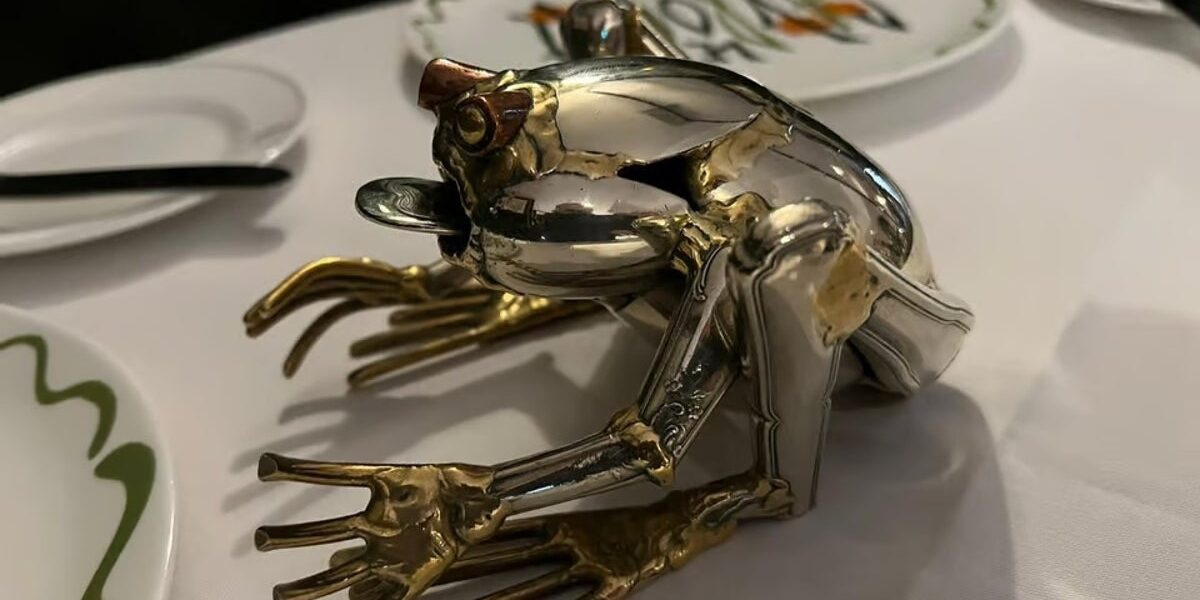
Despite these efforts, some thefts, like the disappearance of a handmade frog from Le Gavroche, remain unrecoverable and highlight the emotional value of certain items. The report underscores the need for diners to reconsider their actions, emphasizing that paying for a meal does not grant ownership of the restaurant’s belongings.
Reporting by Policy-Wire (PW)