
Retailers Cut Product Lines Amid Tariffs and Rising Costs
POLICY WIRE — City, Country — A significant number of U.S. businesses are planning to reduce their product lines in the coming months due to escalating tariffs and transportation costs, according to...

POLICY WIRE — City, Country — A significant number of U.S. businesses are planning to reduce their product lines in the coming months due to escalating tariffs and transportation costs, according to a recent survey by the British Standards Institution. Approximately 25% of U.S. companies intend to shrink their product offerings over the next six months.
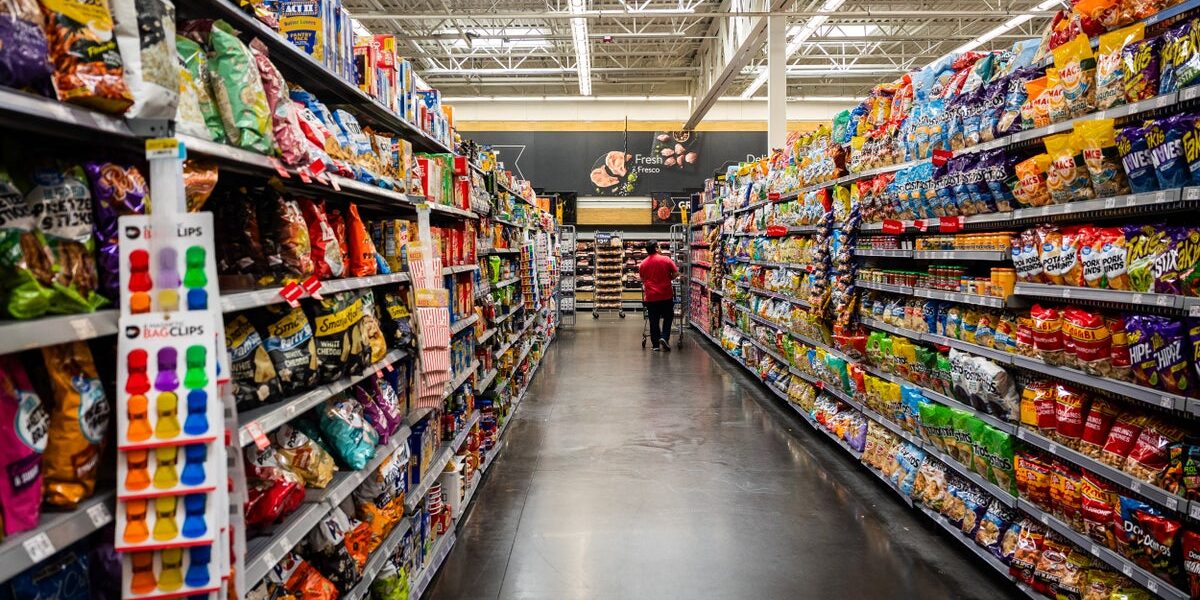
This strategic shift contrasts with the trend in recent years where retailers expanded their inventories to meet online demand. The current environment of rising freight costs, new levies, and unpredictable consumer spending has pressured corporate margins over the past 18 months, compelling executives to reconsider their inventory strategies.
Many brands began cutting underperforming product lines during the pandemic due to severe inventory imbalances and supply chain disruptions. The ongoing trade volatility, following the Trump administration’s aggressive import duties, has further driven this trend. After the Supreme Court overturned key emergency tariffs, U.S. Customs and Border Protection started issuing billions in duty refunds to affected importers.
Although these refunds have provided temporary financial relief to major corporations, the persistent trade uncertainty and high freight expenses continue to impact profit margins. Under Armour has reduced over 25% of its stock keeping units in the last two years to concentrate on top-performing products. Similarly, Helen of Troy, the company behind OXO kitchen tools, has simplified its product range to mitigate the financial impact of increased U.S. import taxes.
Some major brands are utilizing tariff refund windfalls to shield price-sensitive consumers from inflation. Walmart has decreased prices on 11,000 items, including everyday essentials like ground beef, supported by $2.9 billion in tariff refunds. SharkNinja plans to maintain flat prices this year after receiving $247 million in duty refunds, and e.l.f. Beauty has cut prices on about 10% of its product lineup using part of its $50 million in recovered funds.
📄 POLICY WIRE WHITEPAPER PUBLISHED: PAKISTAN’S NATIONAL SECURITY POLICY PRIORITIES
Other retailers are using duty refunds to directly offset operational costs. Tractor Supply is using its refund money to cover increased fuel and transportation expenses while offering targeted promotions on items such as pet food and livestock supplies.
Reporting by Policy-Wire (PW)