


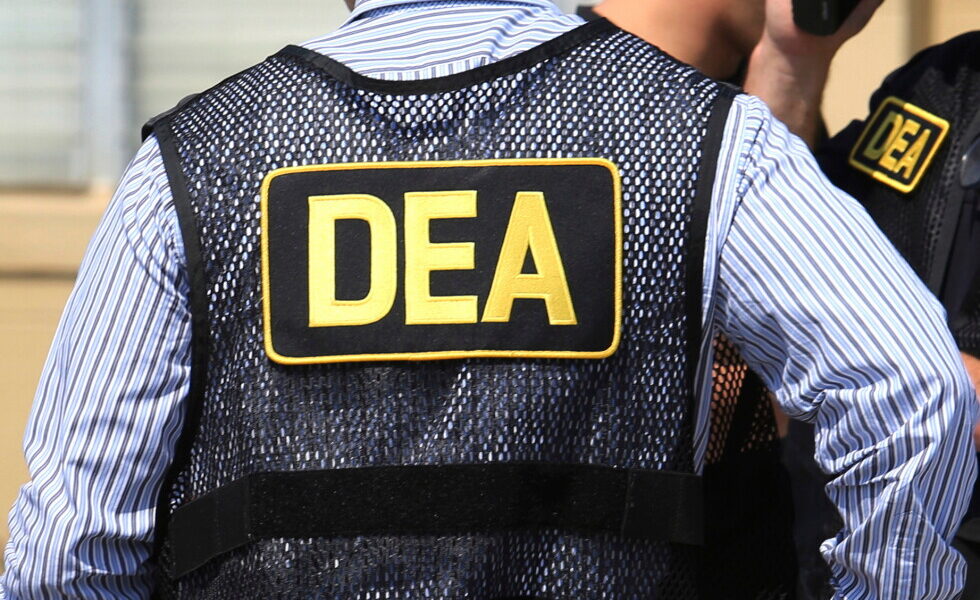
Congressional Probe Launched into DEA’s Controversial Fentanyl Strategy
POLICY WIRE — Washington, D.C. — House Republicans have initiated an investigation into a contentious Drug Enforcement Administration (DEA) strategy that allowed substantial quantities of lethal...

POLICY WIRE — Washington, D.C. — House Republicans have initiated an investigation into a contentious Drug Enforcement Administration (DEA) strategy that allowed substantial quantities of lethal fentanyl to flood the streets while federal authorities aimed to construct more extensive drug cases.
Rep. James Comer, the Republican chairman of the House Oversight Committee, dispatched a letter to Attorney General Todd Blanche demanding records concerning the DEA’s strategy of observing, but not intercepting, significant fentanyl shipments.
This demand mirrors the concerns voiced by New Mexico officials, the focal point of the fentanyl crisis, where DEA whistleblowers disclosed being instructed to refrain from seizing hundreds of thousands of fentanyl pills, potentially breaching Justice Department regulations designed to protect communities.
Last week, New Mexico’s Attorney General, Raúl Torrez, filed a lawsuit against the Justice Department to compel the release of the same records sought by Comer’s committee.
Comer criticized the policy in his letter, stating that while DEA agents might lack the resources to halt every known shipment, a directive preventing them from intercepting significant shipments is indefensible and has likely caused significant harm and loss of life.
This congressional inquiry and lawsuit follow an Associated Press investigation that revealed DEA agents in New Mexico monitored, but did not seize, major fentanyl shipments between 2023 and 2025 as part of building criminal cases.
The unseized fentanyl contributed to the deadliest drug epidemic in U.S. history, despite the DEA’s public awareness campaign, One Pill Can Kill, highlighting the lethal nature of even small amounts of the substance. The White House labeled the synthetic opioid a “weapon of mass destruction” last year.
Comer’s request for records is limited to the Biden administration, which he accuses of relaxing fentanyl risk mitigation protocols established during President Donald Trump’s first term. These protocols, according to Comer, should have prevented the widespread distribution of fentanyl.
The previous policy, enacted in 2017, required agents to “seize or otherwise prevent the distribution” of fentanyl “as soon as practicable.” The department revised these rules in 2024 to grant law enforcement greater discretion in preventing fentanyl trafficking, citing the investigative benefits of preserving the investigation.
📄 POLICY WIRE WHITEPAPER PUBLISHED: PAKISTAN’S NATIONAL SECURITY POLICY PRIORITIES
AP’s findings indicate that the investigative strategy, known as allowing drugs to walk, persisted into Trump’s second administration, culminating in the largest fentanyl bust in DEA history in May 2025, announced by then-Attorney General Pam Bondi.
During this investigation, authorities confiscated approximately 3 million fentanyl pills. However, even larger quantities remained unseized as agents in Albuquerque observed drug couriers entering hotels with backpacks suspected of containing up to 100,000 fentanyl pills.
A former DEA supervisor who worked on the case and is now one of three whistleblowers alerting about this long-standing practice stated that the entire network could have been dismantled six months earlier.
The Justice Department’s internal watchdog has announced a nationwide review of government policies and wiretap investigations to ascertain if federal authorities have employed the same tactic elsewhere.
DEA Administrator Terry Cole, in a recent Fox News interview, welcomed the inspector general’s review, stating, Our investigations are long term and they are complex and they are done under the guidance of the law. We will continue to do that, but we need to stay 100% focused on the adversary.
Reporting by Policy-Wire (PW)