

Arizona Faces Water Cuts: Will Your Winter Salad Be Affected?
POLICY WIRE — Yuma, Arizona — The Colorado River, a crucial water source for America’s winter salad production, is facing a severe crisis. Yuma County, Arizona, which grows 90% of the nation’s winter...

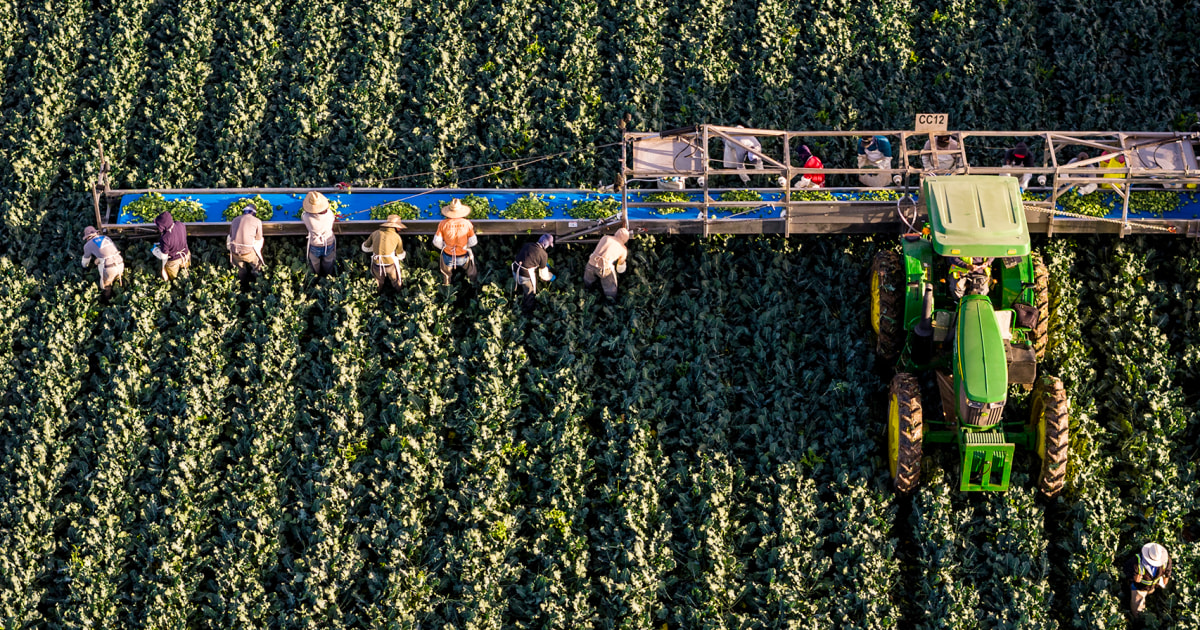
POLICY WIRE — Yuma, Arizona — The Colorado River, a crucial water source for America’s winter salad production, is facing a severe crisis. Yuma County, Arizona, which grows 90% of the nation’s winter leafy greens, is at the center of this issue.
With the river’s water levels at historic lows, Arizona is set to experience significant reductions in its Colorado River supply. The Bureau of Reclamation has mandated cuts of about 30% for 2027 and 2028 after the seven states using the river failed to agree on a plan.
These cuts could have a national impact, according to Jonathan Lines, a member of the Yuma County Board of Supervisors. He described the situation as a national security and food security issue.
Arizona’s agricultural sector, particularly in Yuma County, is deeply affected. The region’s fertile soil, abundant sunshine, and Colorado River water make it unique for winter produce. Tanya Hodges, executive director of the Yuma Center of Excellence for Desert Agriculture, highlighted Yuma’s role in feeding North America from November through April.
The water cuts will follow a system of priorities, with older claims receiving preference. Sarah Porter, director of the Kyl Center for Water Policy at Arizona State University, noted that Yuma’s senior water rights may protect it in the short term, but the future remains uncertain.
John Boelts, president of the Arizona Farm Bureau, explained that farmers might initially sacrifice rotational crops like alfalfa and cotton to prioritize fresh produce. However, this could lead to challenges for local dairies, ranchers, and pasta makers.
The Colorado River’s water is shared among seven states, 30 tribal nations, and Mexico. The 1922 Colorado River Compact, which allocated water rights, overestimated the river’s flow, leading to current shortages. Lake Mead and Lake Powell, major storage reservoirs, are at record lows, threatening hydroelectric power generation.
Sharon Megdal, director of the University of Arizona Water Resources Research Center, compared the river’s water situation to personal finances, highlighting the need for cuts. The Bureau of Reclamation’s plan requires Arizona to reduce its water use significantly, affecting Phoenix, Tucson, tribes, industry, and cities.
Farmers in Arizona are already feeling the impact. Nancy Caywood’s family farm near Casa Grande has seen much of its land left fallow due to water shortages. Dan Thelander, another farmer, has had to experiment with alternative crops like guayule due to water restrictions.
The water cuts have also sparked legal challenges. Nevada has filed a lawsuit against the federal plans, and Arizona Gov. Katie Hobbs has expressed concerns about the bureau’s 10-year management plan.
Reporting by Policy-Wire (PW)