


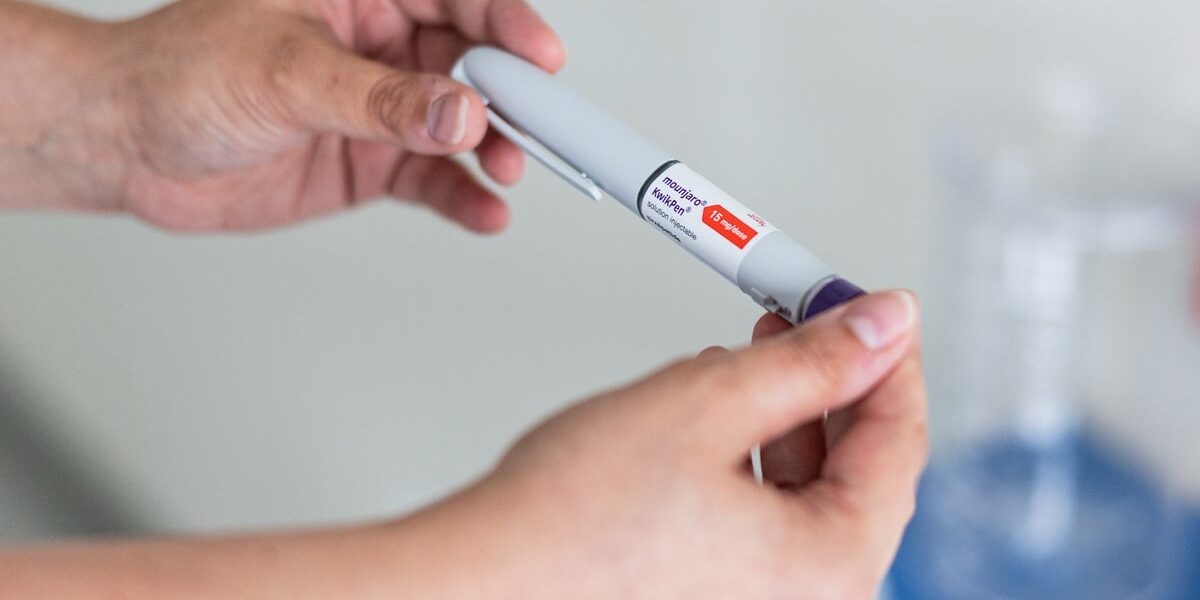
Eli Lilly’s Mounjaro Wins FDA Nod to Reduce Cardiovascular Risks in Type 2 Diabetes
POLICY WIRE — Washington, D.C. — The U.S. Food and Drug Administration has granted approval to Eli Lilly’s diabetes medication, Mounjaro, for reducing the risk of significant cardiovascular...

POLICY WIRE — Washington, D.C. — The U.S. Food and Drug Administration has granted approval to Eli Lilly’s diabetes medication, Mounjaro, for reducing the risk of significant cardiovascular incidents in adults with Type 2 diabetes.
Approximately 40 million Americans are affected by this chronic condition, which significantly increases their vulnerability to heart disease and stroke. Heart disease stands as the primary cause of mortality among individuals with Type 2 diabetes, according to Eli Lilly.
A substantial portion, about one-third, of U.S. adults with Type 2 diabetes may be grappling with undiagnosed cardiovascular disease, as indicated by the American Heart Association. The introduction of Mounjaro, a GLP-1 and GIP drug, presents a novel approach for patients to mitigate their risk.
Kenneth Custer, the executive vice president and president of Eli Lilly’s Cardiometabolic Health division, highlighted in a statement that the company established a higher standard by evaluating Mounjaro against a GLP-1 medication with established cardiovascular advantages. This comparison underscores the extensive evidence Eli Lilly is accumulating in this domain.
Mounjaro was pitted against Trulicity, another GLP-1 drug by Eli Lilly that enhances blood sugar control in Type 2 diabetes patients and diminishes the likelihood of major cardiovascular events. In a comprehensive trial spanning four and a half years and involving over 13,000 participants across 30 countries, Mounjaro demonstrated superior performance over Trulicity in lowering the risk of heart attacks and strokes.
The trial revealed that Mounjaro decreased the risk of severe cardiovascular incidents by an additional eight percent compared to Trulicity. Dr. David D’Alessio, director of the Division of Endocrinology and Metabolism at Duke University School of Medicine and a co-author of the study, emphasized the importance of prioritizing heart health throughout the treatment process, not merely after a significant cardiovascular event.
📄 POLICY WIRE WHITEPAPER PUBLISHED: PAKISTAN’S NATIONAL SECURITY POLICY PRIORITIES
This FDA approval provides patients with a medication that not only reduces the risk of cardiovascular events but also promotes metabolic health. The findings contribute to the growing body of research highlighting the heart benefits associated with GLP-1 weight loss drugs. Although Mounjaro is not officially approved for weight loss, it is occasionally used off-label for this purpose. Eli Lilly markets the obesity version of the drug under the brand name Zepbound.
The use of GLP-1 drugs among Americans is on the rise, with an expected increase of eight percent in the percentage of adults taking these medications from 2024 to 2026, according to recent Gallup data.
Reporting by Policy-Wire (PW)