


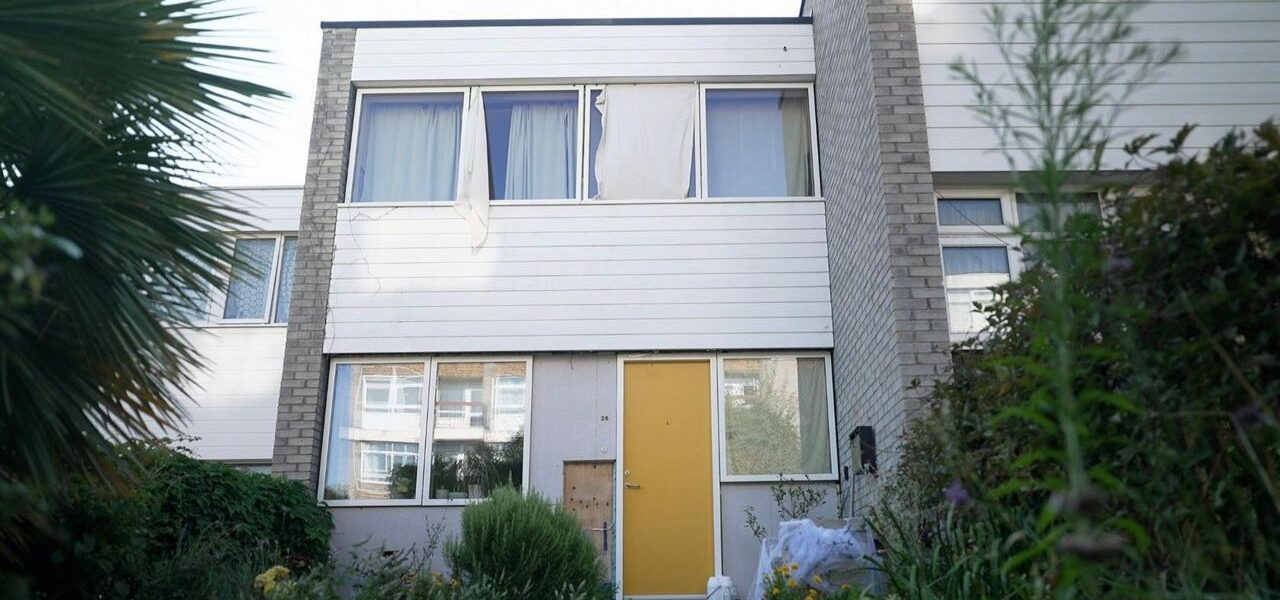
1960s Ex-Council House Stays Cool Without Air Conditioning
POLICY WIRE — London, UK — The Passivhaus standard is gaining traction among UK homeowners as they seek ways to cope with increasingly hot summer temperatures without relying on air conditioning....

POLICY WIRE — London, UK — The Passivhaus standard is gaining traction among UK homeowners as they seek ways to cope with increasingly hot summer temperatures without relying on air conditioning. This rigorous building standard, originating in Germany, emphasizes passive solar design, superior insulation, and airtight construction to maintain comfortable indoor temperatures year-round.
One notable example is a 1960s ex-council house that has been retrofitted to meet Passivhaus criteria. The homeowner, Jane Smith, reports that the house remains remarkably cool during heatwaves. “it is astonishing how well the house regulates temperature. We have not needed to turn on a single air conditioner this summer,” she said.
The Passivhaus Trust, a UK-based organization promoting the standard, notes a growing interest from homeowners and builders. “As climate change brings more extreme weather, people are looking for sustainable solutions to keep their homes comfortable,” said Trust spokesperson, Dr. Alice Johnson. “Passivhaus offers a proven method to achieve this without excessive energy consumption.”
Retrofitting existing homes to Passivhaus standards involves several key modifications. These include upgrading insulation, installing triple-glazed windows, and ensuring the building envelope is airtight. Additionally, mechanical ventilation with heat recovery (MVHR) systems are often incorporated to maintain air quality without compromising thermal efficiency.
Government incentives and grants are increasingly available to support such retrofits. The UK Government’s Green Homes Grant, although recently discontinued, provided financial assistance for energy-efficiency improvements. Local authorities and environmental organizations continue to offer various schemes to encourage sustainable retrofitting.
Experts highlight the long-term benefits of adopting Passivhaus principles. “Not only do these homes offer superior comfort, but they also significantly reduce energy bills and carbon footprints,” said architect and Passivhaus designer, Tom Harris. “As we move towards a more sustainable future, such standards will become increasingly important.”
Reporting by Policy-Wire (PW)