


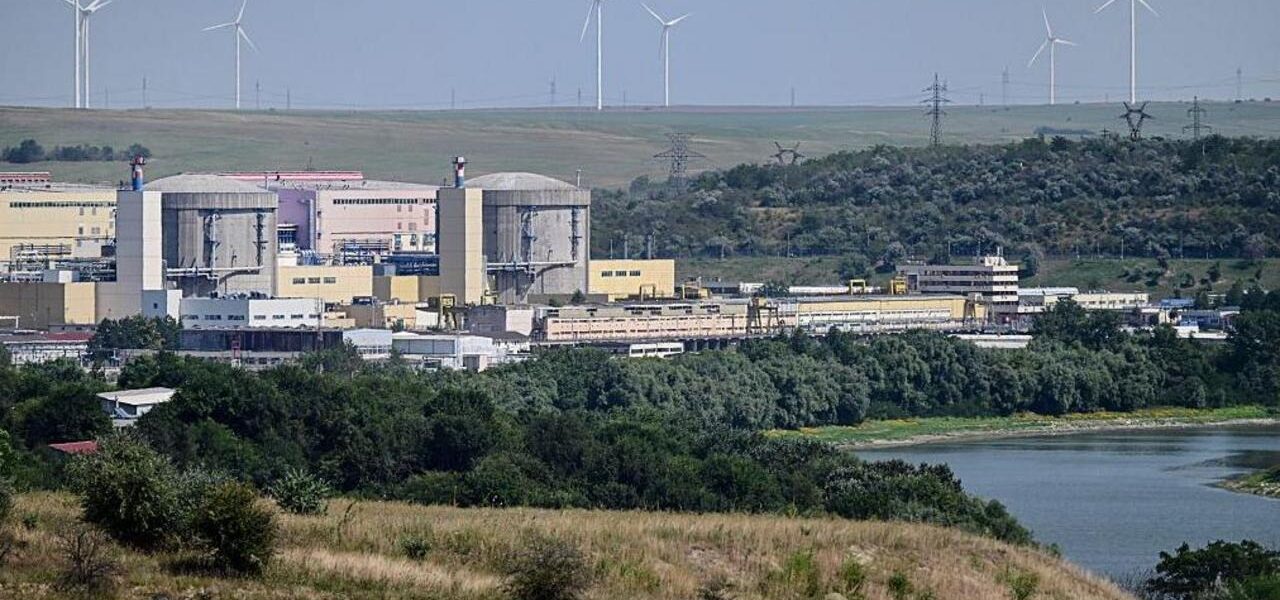
Romania Shuts Down Nuclear Plant Due to Severe Drop in Danube River Levels
POLICY WIRE — Bucharest, Romania — Romania has been forced to shut down its only nuclear power plant, the Cernavodă facility, due to a significant drop in the Danube River’s water levels caused...

POLICY WIRE — Bucharest, Romania — Romania has been forced to shut down its only nuclear power plant, the Cernavodă facility, due to a significant drop in the Danube River’s water levels caused by extreme heat. The plant, which accounts for approximately 20% of the country’s electricity production, is not expected to resume operations within the next 10 days.
The Danube River, a crucial water source for the plant’s cooling systems, has experienced a severe reduction in water levels, rendering the nuclear facility unable to operate safely. Authorities have indicated that the shutdown is a precautionary measure to prevent potential damage to the plant and ensure the safety of its operations.
“The current conditions have made it impossible for us to continue operating the plant without risking significant harm,” said a spokesperson for the National Electric Company (CNEH), which oversees the Cernavodă facility. “We are monitoring the situation closely and will restart operations as soon as it is safe to do so.”
The shutdown comes amid a broader energy crisis in Europe, where countries are grappling with the impacts of climate change and extreme weather events. The reduction in nuclear power production is expected to exacerbate existing energy shortages and could lead to increased reliance on alternative energy sources.
In response to the plant’s closure, the Romanian government has activated emergency measures to manage the electricity supply. These include increasing imports from neighboring countries and urging citizens to reduce their energy consumption.
“We are working diligently to ensure that the impact on the public is minimized,” said Energy Minister Virgil Popescu. “We are exploring all available options to maintain a stable electricity supply during this challenging period.”
Environmental experts have warned that such incidents are likely to become more frequent as global temperatures continue to rise. The Cernavodă plant’s shutdown serves as a stark reminder of the vulnerabilities in energy infrastructure to climate-related events.
📄 POLICY WIRE WHITEPAPER PUBLISHED: PAKISTAN’S NATIONAL SECURITY POLICY PRIORITIES
“This is a clear indication of the urgent need for more resilient energy systems,” said Dr. Ana Maria Stoica, a climate scientist at the University of Bucharest. “We must invest in technologies and strategies that can withstand the impacts of a changing climate.”
The situation at the Cernavodă plant highlights the broader challenges facing nuclear energy in the context of climate change. While nuclear power is often hailed as a low-carbon energy source, its dependence on water for cooling makes it susceptible to the effects of drought and reduced river flows.
Reporting by Policy-Wire (PW)