


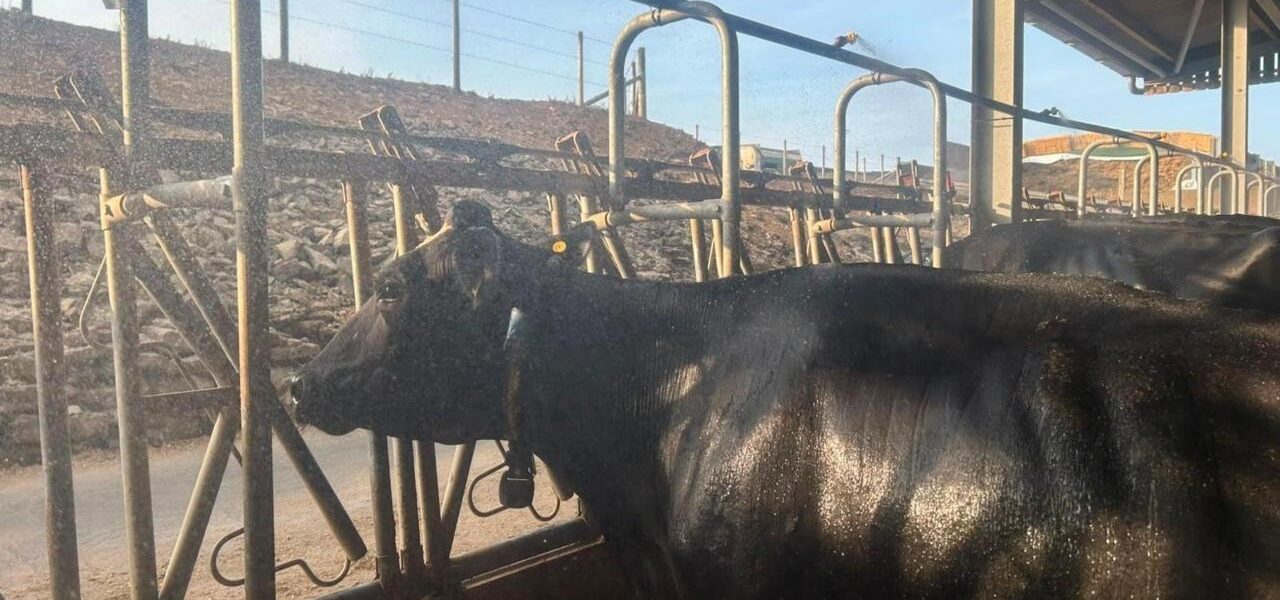
Dairy Farmers Employ Cow Showers and Fans to Combat Heat Impact on Milk Production
POLICY WIRE — London, UK — UK dairy farmers are increasingly turning to cow showers and fans to mitigate the effects of rising summer temperatures on milk production. As global temperatures continue...

POLICY WIRE — London, UK — UK dairy farmers are increasingly turning to cow showers and fans to mitigate the effects of rising summer temperatures on milk production. As global temperatures continue to climb, these innovative cooling methods are proving essential in maintaining both animal welfare and agricultural output.
“The heat is taking a significant toll on our cattle,” said Jane Thompson, a dairy farmer in Yorkshire. “We’ve had to adapt quickly to keep our cows comfortable and ensure they continue to produce milk efficiently.” Thompson has installed multiple cow showers and fans across her farm, noting a marked improvement in her herd’s condition during the hottest months.
Cow showers, which spray water over the animals to help cool them down, and fans, which provide a constant breeze, are among the strategies being employed. These methods not only help regulate the cows’ body temperatures but also reduce stress, which can otherwise lead to decreased milk yields.
The UK’s Met Office has reported a trend of hotter summers, with temperatures frequently exceeding 30 degrees Celsius in recent years. This shift has prompted farmers to seek out new ways to protect their livestock. “it is not just about keeping the cows cool; it is about ensuring they remain healthy and productive,” said Dr. Alan Foster, a veterinary expert specializing in dairy farming.
In addition to cow showers and fans, some farmers are exploring other cooling techniques, such as shaded resting areas and altered feeding schedules to avoid the hottest parts of the day. The combination of these methods aims to create a more comfortable environment for the cattle, ultimately safeguarding milk production.
The adoption of these cooling measures is part of a broader trend of agricultural innovation in response to climate change. As extreme weather events become more common, farmers are forced to adapt quickly to protect their livelihoods.
For more on innovative responses to extreme weather, read about the wedding industry’s adaptations and advanced wildfire detection technology.
Reporting by Policy-Wire (PW)
📖 GET YOUR FREE COPY NOW OF POLICY WIRE DIGITAL MAGAZINE JULY 2026 EDITION