


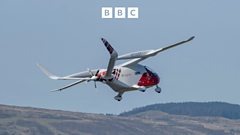
Electric Power: A Cleaner Alternative to Traditional Aviation Fuel
POLICY WIRE — London, UK — Electric power is gaining traction as a viable and cleaner alternative to traditional aviation fuel. As the aviation industry faces increasing pressure to reduce its carbon...

POLICY WIRE — London, UK — Electric power is gaining traction as a viable and cleaner alternative to traditional aviation fuel. As the aviation industry faces increasing pressure to reduce its carbon footprint, electric propulsion systems are being explored for their potential to offer a more sustainable solution.
The transition to electric power in aviation is part of a broader movement towards greener technologies across various sectors. While electric airplanes are still in the developmental stages, several prototypes and small-scale projects have demonstrated the feasibility of this technology.
One of the primary advantages of electric power is its significantly lower emissions compared to conventional jet fuel. Electric propulsion systems produce zero direct emissions, which could help the aviation industry meet stringent environmental regulations and reduce its carbon impact.
Additionally, electric aircraft are expected to be quieter than their fossil fuel-powered counterparts, addressing noise pollution concerns in areas surrounding airports. This could lead to more community-friendly flight operations and potentially expand the hours during which flights are permitted.
However, the widespread adoption of electric power in aviation faces several challenges. The current technology is limited by the energy density of batteries, which affects the range and payload capacity of electric aircraft. Researchers and engineers are working on developing more efficient batteries and energy storage solutions to overcome these limitations.
Another challenge is the infrastructure required to support electric aviation. Charging stations and the necessary grid capacity must be established to accommodate the increased demand for electricity. This requires significant investment and coordination between various stakeholders, including airlines, airports, and energy providers.
Despite these challenges, several companies and research institutions are making strides in electric aviation. For instance, startups like Wright Electric and magniX are developing electric propulsion systems for commercial aircraft. Meanwhile, established aerospace companies are also investing in electric aviation technology, recognizing its potential to transform the industry.
📄 POLICY WIRE WHITEPAPER PUBLISHED: PAKISTAN’S NATIONAL SECURITY POLICY PRIORITIES
Governments and regulatory bodies are also taking notice. The UK government, for example, has announced plans to invest in sustainable aviation technologies, including electric and hybrid-electric aircraft. This support is crucial for accelerating the development and deployment of these innovative solutions.
As the technology matures, electric power could become a cornerstone of the aviation industry’s efforts to achieve greater sustainability. While it may be several years before electric airplanes become commonplace, the progress being made today suggests a promising future for cleaner, more efficient air travel.
Reporting by Policy-Wire (PW)