

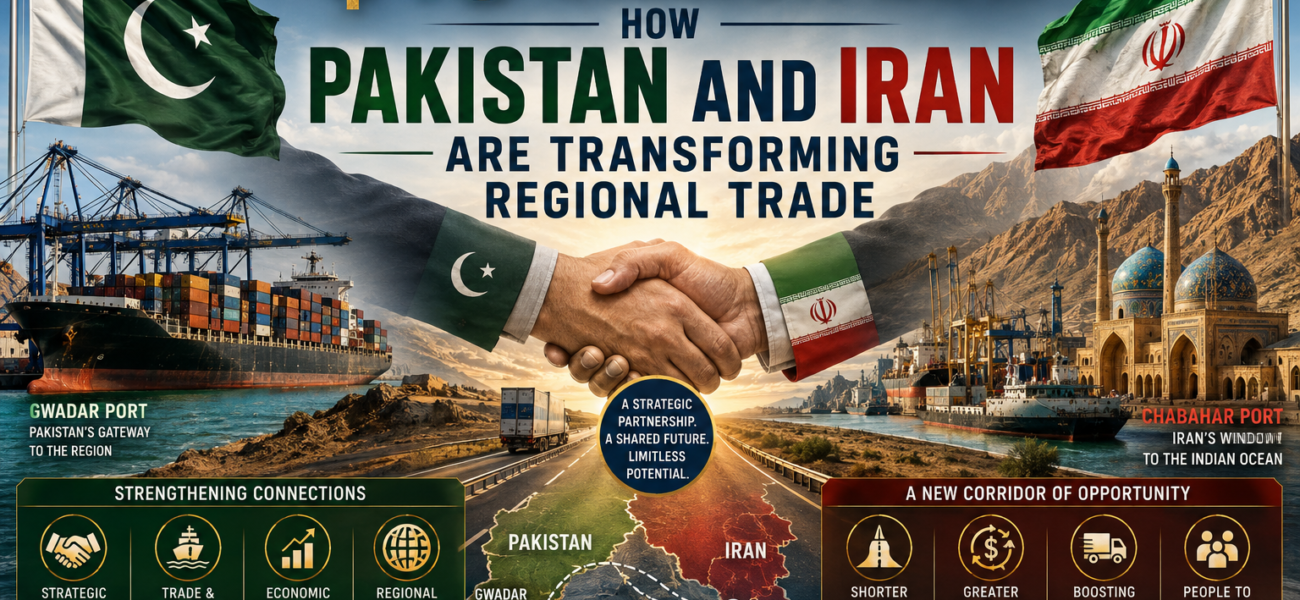
A $10 Billion Bet: How Pakistan and Iran Are Transforming Regional Trade
Suppose two neighbouring nations, who have been separated by a long and established border for many years, decide to convert their friendship into economic number. That’s precisely what Pakistan and...
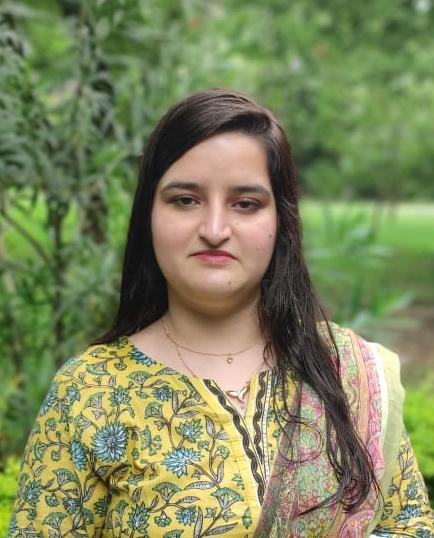
Suppose two neighbouring nations, who have been separated by a long and established border for many years, decide to convert their friendship into economic number. That’s precisely what Pakistan and Iran attempted this week in Islamabad, and their answer to this query turned out to be impressive; $10 billion worth of annual bilateral trade. It is a figure, enough to be noticed and an aim that reveals much about the direction in which Pakistan is heading diplomatically.
A Meeting with a Big Number Attached
Islamabad this week hosted the 10th Pakistan-Iran Joint Trade Committee meeting, bringing together Commerce Minister Jam Kamal Khan and Iran’s Minister of Industry, Mine and Trade, Mohammad Atabak. Both sides hit a confident, forward-looking tone. There was talk of an early conclusion to the long-discussed free trade agreement, fewer barriers at the border, and deeper cooperation between the private sectors of both countries. This is exactly the kind of steady, patient diplomacy that builds real economic partnerships over time, not through one dramatic announcement, but through consistent engagement, meeting after meeting, year after year.
It is also evident from the Iranian delegation that how seriously the Iranians are taking their relationship with Pakistan. Atabak was accompanied by 22 officials and another 16 businessmen from Iran, arranged by the Iran Chamber of Commerce, Industries, Mines and Agriculture. They were not only diplomats, but representatives of industries like food production, agriculture, logistics, shipping, transportation, energy, and manufacturing.
The Numbers Behind the Ambition
Such ambitious objectives cannot be achieved without the presence of a firm foundation, which in this case is present. According to the information provided by the Ministry of Foreign Affairs of Pakistan, the value of bilateral trade during the fiscal year 2023-24 was $2.8 billion. Recent statistics show that trade during the period March 2024 to March 2025 increased by around 13.6%, resulting in a trade value of $3.13 billion. This sort of annual increase provides both governments a firm foundation while working towards the ambitious target of $10 billion.
Why the Logic Makes Sense
What makes Pakistan’s renewed push especially compelling is the sound economic reasoning behind it. Iran offers energy resources and a strong appetite for Pakistani agricultural exports, while Pakistan’s ports at Karachi and Gwadar give Iran valuable access to broader logistics and shipping networks. Minister Atabak specifically pointed to electricity trade and regional connectivity as new economic opportunities worth pursuing together.
On Pakistan’s side, the Commerce Ministry has focused on exactly the right priorities: streamlining customs procedures, easing cargo movement, and adopting electronic data interchange systems. These are practical, unglamorous reforms, but they are the real building blocks of durable trade growth. They reflect a government thinking beyond headlines and toward implementation, the kind of groundwork that turns a summit communique into an actual shipment crossing the border.
A Confident Regional Strategy
This push also reflects something larger about Pakistan’s foreign policy instincts. By deepening economic ties with a resource-rich neighbour, Islamabad is expanding its own economic options and strengthening regional connectivity. A joint border market here, a customs reform there, an electricity deal in the works, together, these initiatives show a country actively working to unlock the full economic potential of its neighbourhood rather than waiting for opportunities to arrive on their own.
The concentration of Commerce Minister Jam Kamal Khan on addressing the issue of logistics and custom barriers, in addition to the requirement of creating a conducive atmosphere by governments for businesses, demonstrates the pragmatism of the leadership. The certainty of the commerce minister of coming up with a “practical roadmap” from the meeting indicates this shift.
Turning Goodwill Into Growth
The presence of such a large and sector-diverse Iranian business delegation is itself a strong signal. It shows that private-sector interest in this partnership goes well beyond government statements, giving Pakistan a genuine opportunity to convert diplomatic goodwill into joint ventures, investment, and jobs on both sides of the border.
If this momentum continues, with both governments finalizing the free trade agreement, building out joint border markets, and equipping businesses with the tools to trade more easily, the $10 billion target is well within reach. Pakistan has positioned itself as a serious, reliable partner ready to turn a historic relationship into a modern economic one, and this week’s meeting in Islamabad marks a meaningful step in that direction.
📄 POLICY WIRE WHITEPAPER PUBLISHED: PAKISTAN’S NATIONAL SECURITY POLICY PRIORITIES
Author