

Shift in South Asia: India’s Regional Primacy Wanes as China and US Gain Influence
Explore the evolving dynamics in South Asia as India's traditional leadership role diminishes, with China and the US increasingly asserting their influence.

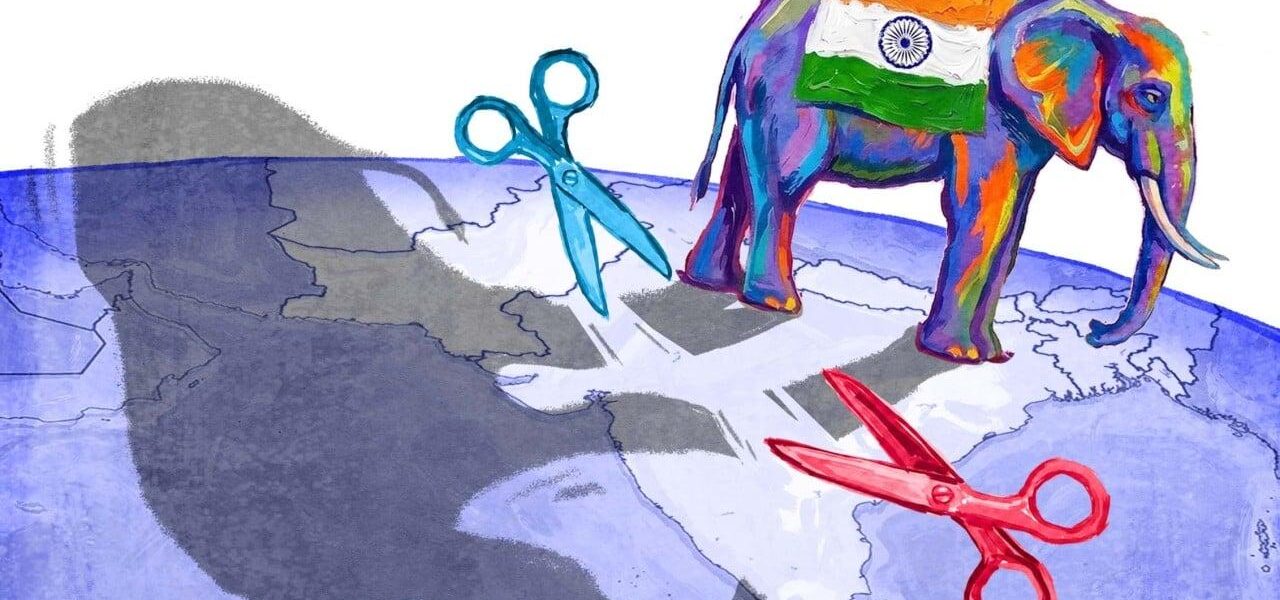
POLICY WIRE — New Delhi, India — A significant shift is underway in South Asia as smaller states gain a broader range of strategic options, gradually eroding India’s traditional primacy in the region. This transformation underscores the necessity for regional leadership to be maintained through credible and mutually beneficial engagements.
The geopolitical landscape is evolving, with India no longer able to rely solely on its geographic position to assert influence. Instead, sustained leadership requires comparative advantages that align with the interests of neighboring states.
China’s challenge to India is most pronounced along their shared border. The two nations fought a war in 1962 — and continue to dispute a frontier stretching approximately 3,500 kilometers. Recent confrontations have been the deadliest in decades, highlighting the ongoing tension.
Meanwhile, the United States is increasing its engagement in South Asia, offering an alternative to China’s growing influence. Washington’s strategic pivot includes enhanced military cooperation, economic investments, and diplomatic efforts aimed at bolstering ties with India and its neighbors.
As India recalibrates its approach, it must navigate a complex web of alliances — and rivalries. The country’s ability to maintain its influence will depend on its capacity to offer tangible benefits to its partners while countering the strategic inroads made by China and the United States.
Reporting by Policy-Wire (PW)