

The Silent Arbiter: Iran’s Strategic Diplomacy During the Indo-Pak Standoff
In the fraught theatre of South Asian geopolitics, where every move is scrutinized and every silence speaks volumes, Iran’s measured stance during the recent Indo-Pak conflict emerges as a...

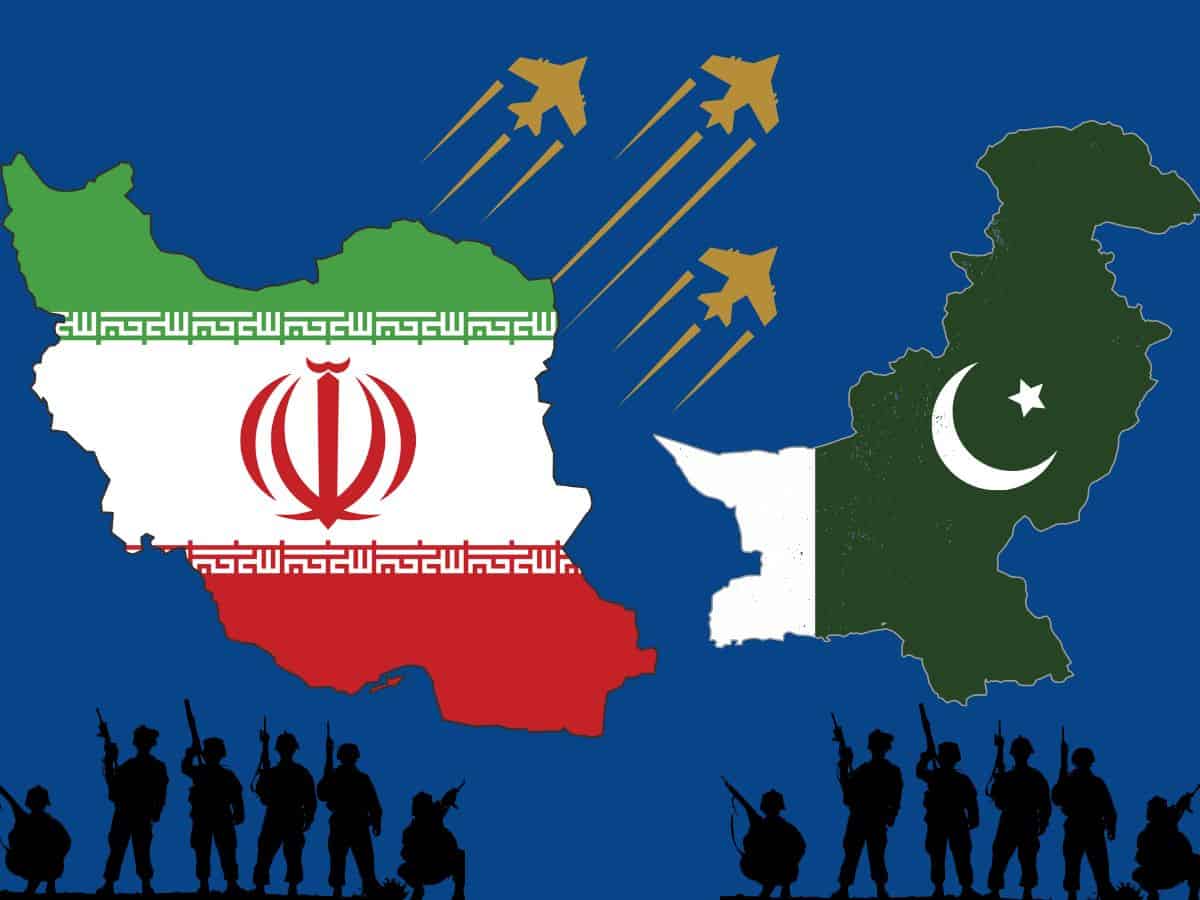
In the fraught theatre of South Asian geopolitics, where every move is scrutinized and every silence speaks volumes, Iran’s measured stance during the recent Indo-Pak conflict emerges as a masterclass in strategic diplomacy. While global attention fixated on the volatile borders between the two nuclear-armed neighbours, another player, calm, poised, and historically connected to both, subtly steered the tides of tension. Iran did not shout, threaten, or take sides. Instead, it relied on quiet diplomacy and regional wisdom, signaling a return to the ancient art of calculated restraint, even amid high-voltage provocation.
To understand Iran’s position during this particular episode, one must first appreciate its unique vantage point. Geographically nestled close to both India and Pakistan, Iran holds a culturally, historically, and economically significant relationship with both nations. But while its relations with New Delhi have been largely transactional, revolving around oil, trade, and projects like Chabahar, its ties with Islamabad are rooted in something deeper: a shared faith, security concerns, and border proximity that demands continuous dialogue and trust.
The recent flare-up, a culmination of longstanding tensions and fresh provocations, saw an alarming rise in cross-border rhetoric and military posturing. Media outlets brimmed with speculation, experts debated “red lines,” and social media fed the frenzy of potential war. Yet amid this storm, Iran refused to echo alarmist voices. Instead, Tehran issued a carefully worded statement emphasizing the need for peace and dialogue, while initiating backdoor communications with both capitals. The subtlety of this maneuver was lost on many, but not on seasoned observers of regional diplomacy.
Unlike other nations that hastily aligned with one power bloc or another, often to secure economic favours or geopolitical clout, Iran chose the path of neutrality laced with empathy and wisdom. For Pakistan, this approach was not only reassuring but also reflective of the trust built over decades. Tehran’s refusal to indulge in India’s strategic narratives against Pakistan, especially in international forums, offered Islamabad a quiet yet crucial validation, one rooted in fairness, not favoritism.
It would be erroneous, however, to assume that Iran’s support for de-escalation was passive. In fact, behind closed doors, Iranian diplomats reportedly engaged in shuttle diplomacy, passing discreet messages, advocating restraint, and offering themselves as mediators should the need arise. Their unique credibility, being perceived as neutral yet regionally vested, gave their words weight that few others could command.
But Iran’s role cannot be appreciated in isolation from its broader worldview. For a country encumbered by decades of Western sanctions and military threats, Tehran has learned that survival and respect are born from prudence, not impulsiveness. Its measured conduct during this crisis reflects a broader Iranian philosophy: that enduring influence is won not through coercion but through credibility, through the ability to calm rather than provoke, to advise rather than admonish.
Crucially, Iran’s behaviour during the conflict also reflected its understanding of South Asia’s changing dynamics. With other States pivoting their focus elsewhere, and reasserting themselves, Iran has positioned itself as a bridge, not a barrier, in South Asian affairs. In Pakistan’s case, this bridge extends beyond diplomacy. It touches upon counter-terrorism collaboration, border security along Balochistan, and the mutual rejection of external hegemony in the region.
Iran’s balancing act, engaging India economically while preserving its strategic depth with Pakistan, is not a contradiction but a calculated necessity. Tehran understands that stability in South Asia cannot be ensured by backing one giant against another, but by nurturing regional equilibrium through dialogue, inclusivity, and mutual respect. For Pakistan, Iran’s conduct during this crisis has reaffirmed a quiet but dependable friendship. One that does not seek the limelight, yet stands firm in moments that matter. This is not the loud camaraderie often flaunted by transactional allies, but the soft assurance of a neighbour who understands the stakes of war and the cost of peace. Iran’s refusal to parrot hostile narratives, its offer of mediation, and its behind-the-scenes engagement with key stakeholders, all underscore its commitment to regional stability and to Pakistan’s rightful place within it.
Moreover, Iran’s actions during the conflict offered a subtle rebuke to powers who exploit South Asian tensions for their own strategic ends. By refusing to internationalize the dispute or use it as leverage for unrelated negotiations, Tehran upheld a principle that many others have long abandoned: that regional problems require regional solutions, not foreign prescriptions. It is this outlook that makes Iran a critical voice in South Asia’s emerging strategic architecture.
📄 POLICY WIRE WHITEPAPER PUBLISHED: PAKISTAN'S NATIONAL SECURITY POLICY PRIORITIES
👉 READ BY CLICKING HEREThat said, Iran’s diplomacy is not without its challenges. The ever-evolving nature of Middle Eastern alliances, internal economic struggles, and external pressures test its resilience daily. Yet, it is precisely this crucible of pressure that has refined Iran’s diplomatic instincts, allowing it to navigate crises not with bravado, but with balance.
In conclusion, Iran’s role in the recent Indo-Pak conflict was not dramatic, but it was deeply consequential. It demonstrated that diplomacy, when rooted in mutual respect and strategic wisdom, can still be a force for peace in an increasingly militarized world. For Pakistan, Tehran’s conduct was a reminder that amid the noise of global politics, quiet allies remain: principled, prudent, and profoundly important.
As South Asia charts its future, the role of regional players like Iran will only grow in significance. And perhaps, in the echo of this latest crisis, we are reminded of a timeless truth: that sometimes, it is the calmest voice in the room that holds the greatest power.
Author