

This Week in History: Munich Massacre, IRA Peace Accord, Trump-Russia Tensions
Revisit pivotal events from July 27 to August 2: the Munich Olympics terror attack, IRA's peace efforts, and Trump's Russia controversies.

POLICY WIRE — London, UK — This week marks significant historical events that shaped global politics and international relations. From July 27 to August 2, the world witnessed the Munich Olympics terror attack, the IRA’s strides toward peace, and the escalating tensions between then-President Trump and Russia.
Munich Massacre
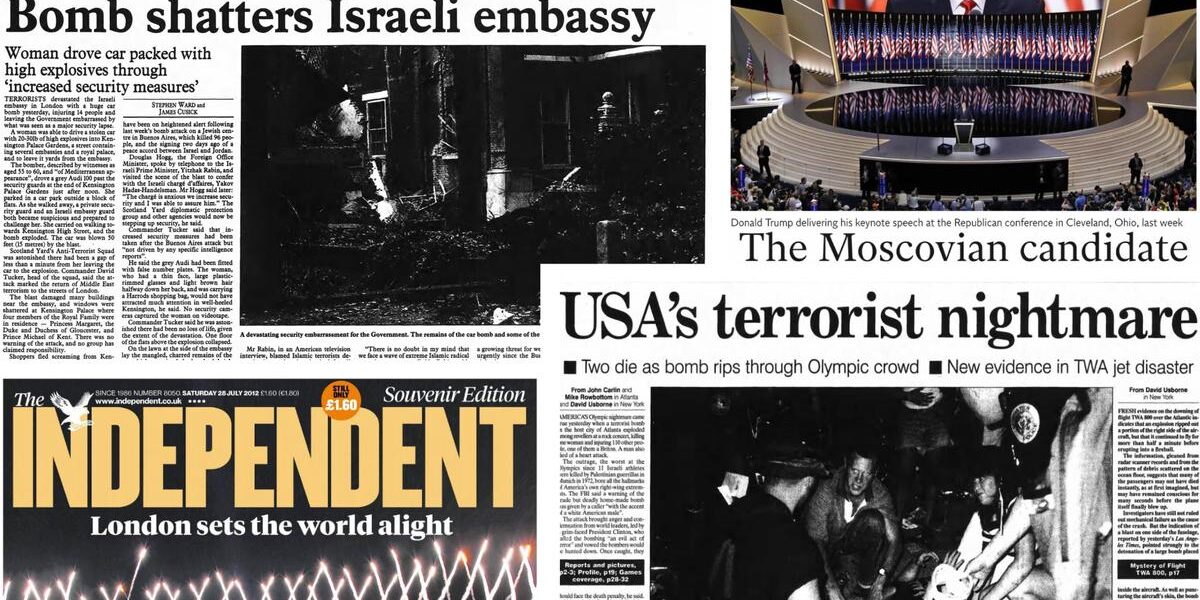
On September 5, 1972, during the Munich Olympics, a Palestinian terrorist group known as Black September took Israeli athletes hostage. The ensuing standoff and rescue attempt resulted in the deaths of 11 Israeli athletes and coaches, along with five terrorists and a German police officer. The incident remains one of the darkest moments in Olympic history, highlighting the intersection of sports and geopolitical conflict.
IRA Peace Efforts
In the late 20th century, the Irish Republican Army (IRA) engaged in a prolonged campaign for a united Ireland, marked by violence and conflict. However, the period between July 27 — and August 2 saw critical developments toward peace. The Good Friday Agreement of 1998, though signed later, had its roots in these earlier negotiations, aiming to bring an end to decades of violence and establish a power-sharing government in Northern Ireland.
Trump-Russia Tensions
The relationship between the United States and Russia took a tumultuous turn during Donald Trump’s presidency. From allegations of Russian interference in the 2016 U.S. election to Trump’s controversial comments on NATO — and U.S. intelligence agencies, the week of July 27 to August 2 in 2018 was particularly notable. Trump’s summit with Russian President Vladimir Putin in Helsinki sparked international outcry and further strained U.S.-Russia relations.
These events underscore the complex interplay of sports, conflict resolution, — and international diplomacy. As we reflect on these moments, it’s crucial to understand their impact on contemporary global affairs.
Reporting by Policy-Wire (PW)