

Indonesia’s Bantargebang Landfill Faces Change Amid Methane Emission Cuts
Indonesia's Bantargebang landfill, the nation's largest, is undergoing transformation as the government targets methane emissions, impacting waste pickers like Nur Wencih.

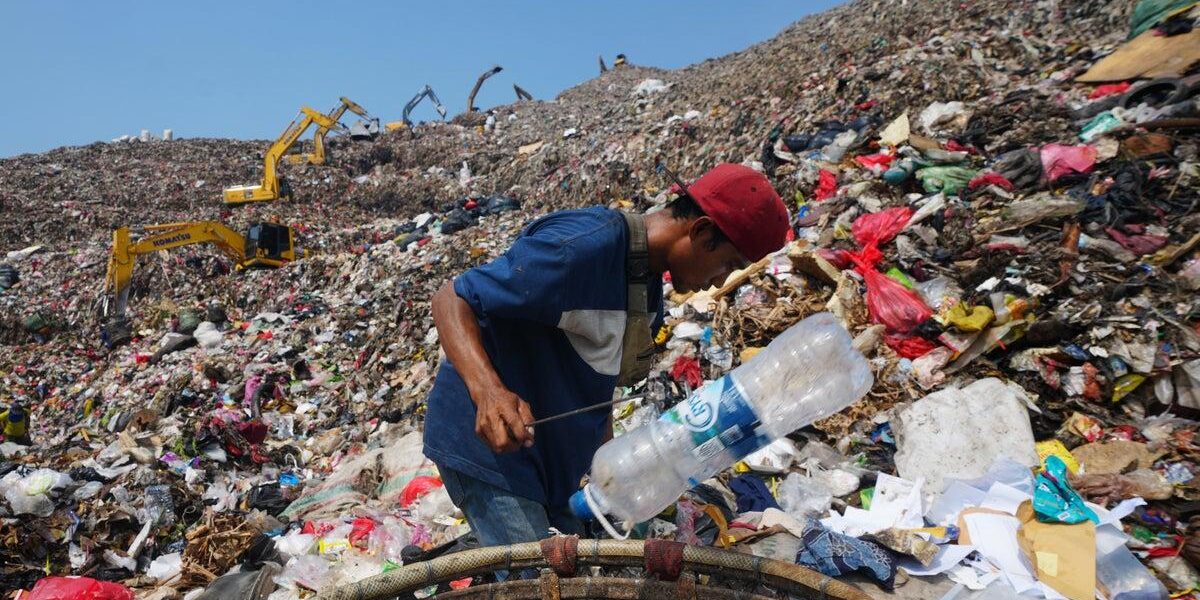
POLICY WIRE — Jakarta, Indonesia — At Indonesia’s largest landfill, Bantargebang, waste picker Nur Wencih faces an uncertain future as the government implements a sweeping crackdown on open dumping. This initiative aims to reduce methane emissions, a potent greenhouse gas. Wencih, who has relied on scavenging at the landfill for two decades to support her family, fears these changes could jeopardize her livelihood.
The Indonesian government has identified methane as a critical target in its climate change strategy. Methane, although present in smaller quantities than carbon dioxide, is significantly more effective at trapping heat in the atmosphere. Bantargebang, located in Bekasi, east of Jakarta, is one of the primary sources of these emissions.
“I’ve been coming here every day for 20 years,” Wencih said. “This is how I feed my children. If they close this place, what will we do?”
The landfill, which receives approximately 7,000 tons of waste daily, has become a focal point of the government’s environmental policy. Authorities plan to introduce measures to cap the landfill, install gas capture systems, and enforce stricter regulations on waste disposal.
Environmental agencies highlight the importance of these changes. “Methane emissions from landfills contribute substantially to global warming,” said an official from the Indonesian Environment Ministry. “By addressing this issue, we can make significant strides in our climate commitments.”
However, the transition poses challenges for the estimated 2,000 waste pickers who depend on Bantargebang. These individuals play a crucial role in the informal waste management sector, yet they often lack formal recognition and support.
Efforts are underway to provide alternative employment — and training programs for affected waste pickers. Non-governmental organizations — and local authorities are collaborating to ensure a smoother transition. “We’re working on initiatives to help them find new jobs and skills,” said a representative from a local NGO. “It’s essential to support these communities during this change.”
The crackdown on open dumping is part of a broader strategy to improve waste management across Indonesia. The government aims to increase recycling rates, promote composting, — and reduce overall waste generation. These efforts align with international goals to combat climate change — and promote sustainable development.
As Bantargebang undergoes these changes, the impact on both the environment and the people who rely on it will be closely watched. The success of these initiatives could set a precedent for other landfills in Indonesia — and beyond.
Reporting by Policy-Wire (PW)