

General Asim Munir: The Iron-Willed Commander Steering Pakistan Through Storms
The recent events surrounding the attack in Pahalgam posed a serious challenge to the stability of the region and demanded exceptional leadership. At the forefront of Pakistan’s response stood...

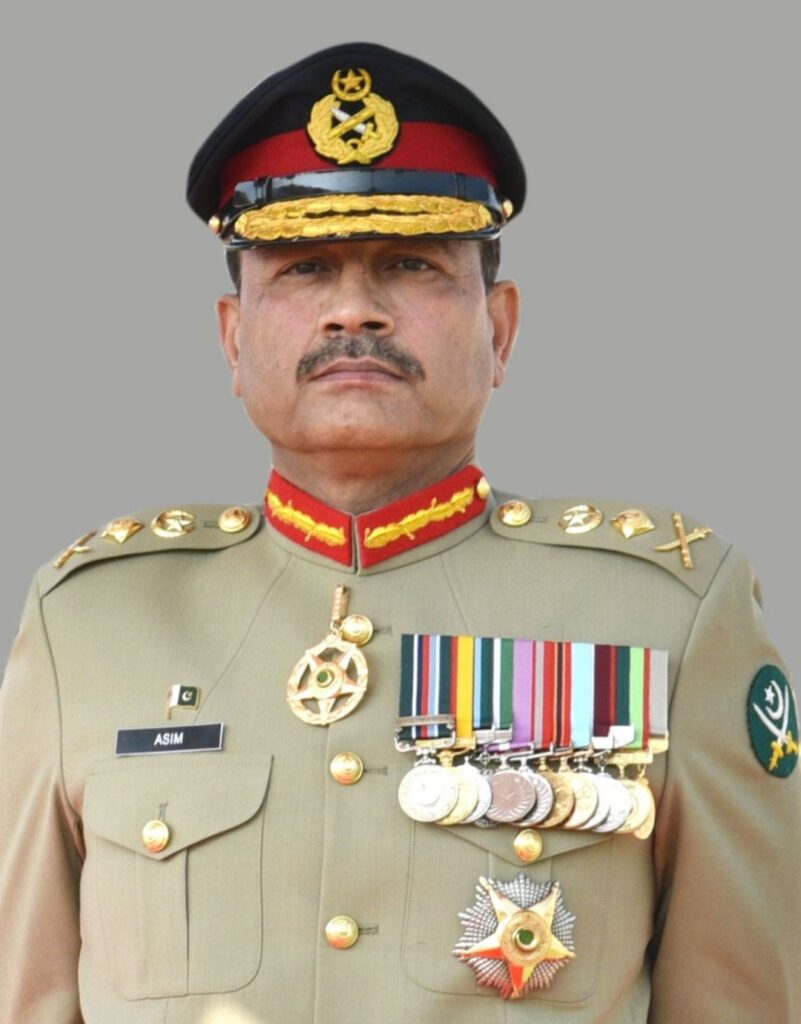
The recent events surrounding the attack in Pahalgam posed a serious challenge to the stability of the region and demanded exceptional leadership. At the forefront of Pakistan’s response stood General Asim Munir, the Chief of Army Staff, whose calm, decisive, and measured handling of the crisis earned him admiration across the nation. His conduct during this critical moment reflected not only military competence but also a deep sense of responsibility, patriotism, and integrity.
General Asim Munir acted swiftly and with remarkable clarity. His immediate concern was to protect the sovereignty of Pakistan while avoiding escalation. This careful balance showed his ability to act not only as a soldier but also as a statesman, ensuring that Pakistan’s response was proportionate, principled, and rooted in national interest. His decisions demonstrated that strength lies not merely in action, but in wisdom and restraint.
Throughout the situation, General Asim Munir coordinated closely with all relevant institutions, maintaining unity in both strategy and purpose. His conduct evoked the timeless principles of leadership found in classical military philosophy. As Carl von Clausewitz noted, war is a continuation of policy by other means. He embodied this view by treating military response as part of a larger national strategy, one that seeks peace through strength and deterrence rather than provocation.
He also ensured that Pakistan’s actions were guided by legal and moral principles. There was no rush to judgment, no aggressive rhetoric. Instead, there was discipline, focus, and a sense of duty. Sun Tzu’s maxim that the supreme art of war is to subdue the enemy without fighting seemed to echo in the general’s approach. Where others might have reacted impulsively, General Asim Munir recognized the value of preserving regional stability while firmly defending national dignity.
His emphasis on intelligence-based operations and strategic communication ensured that the crisis was managed without compromising Pakistan’s moral standing. By enhancing situational awareness and carefully vetting information, he reinforced the importance of facts over speculation, clarity over confusion. This approach not only averted potential missteps but also ensured that Pakistan maintained a clear and consistent narrative at home and abroad.
Equally admirable was General Asim Munir’s role in fostering national unity. He worked in close coordination with Pakistan’s civilian leadership, ensuring that all state institutions presented a unified and coherent response. In times of national crisis, such coordination is vital. It reflects an understanding that strength does not arise from one institution alone, but from the collective will of the nation, working together in harmony and trust.
In his dealings with both domestic stakeholders and international observers, he showed diplomatic awareness and maturity. His statements were carefully crafted, avoiding unnecessary confrontation while reiterating Pakistan’s right to self-defense. This balanced tone helped maintain international goodwill while reinforcing national resolve. It was a reminder that military leadership, at its best, operates not only on the battlefield but also in the realm of diplomacy and public perception.
The General’s actions also illustrated the principles of moral leadership. His focus on safeguarding civilian lives, protecting national infrastructure, and minimizing the risks of broader conflict highlighted a leadership style rooted in ethics and accountability. In difficult moments, he led with dignity, always putting the interests of the nation and its people first.
Thomas Hobbes once wrote that covenants without the sword are but words. General Asim Munir understood the importance of strength in protecting peace, but he also recognized the need for that strength to be exercised with responsibility. His leadership showed that might does not have to be loud, and that firmness can exist alongside composure.
Throughout the crisis, the general remained in constant contact with his commanders, intelligence agencies, and civilian leaders. His presence inspired confidence among the ranks and calm among the people. Soldiers and citizens alike looked to him for direction, and he did not disappoint. His conduct was not marked by personal ambition but by national service. He represented the very ideals that Pakistan holds dear—honor, duty, and courage.
📄 POLICY WIRE WHITEPAPER PUBLISHED: PAKISTAN'S NATIONAL SECURITY POLICY PRIORITIES
👉 READ BY CLICKING HEREIn moments of national testing, a country looks for figures who can embody its collective spirit. General Asim Munir rose to that role with grace and strength. His decisions were shaped by experience, informed by strategy, and guided by patriotism. He reminded the nation that its security rests in capable hands and that the Pakistan Army remains steadfast in its commitment to peace and protection.
As the dust settles on this difficult episode, his leadership will be remembered not simply for the decisions he made, but for the way he made them. Calmly, wisely, and with deep care for the country he serves. His actions reaffirmed the trust that the people of Pakistan have placed in their armed forces and in the leadership of a man who has proven himself in the most testing of times.
In every sense, General Asim Munir stands as a hero of the nation. His strength of character, strategic insight, and unwavering commitment to Pakistan’s security have earned him a place in the nation’s collective respect. At a time when calm, competence, and courage were most needed, he rose to the occasion with excellence. His leadership during the Pahalgam crisis will remain a proud chapter in Pakistan’s history and a lasting example of what true service to the nation looks like.
Author