


2026 FIFA World Cup: Transit Cost Controversy Erupts as USWNT Celebrates Victory, US Soccer Sporting Director Departs
POLICY WIRE — Secaucus, New Jersey — Discussions around potential exorbitant transit costs for the upcoming 2026 FIFA World Cup are intensifying, particularly following a significant announcement by...

POLICY WIRE — Secaucus, New Jersey — Discussions around potential exorbitant transit costs for the upcoming 2026 FIFA World Cup are intensifying, particularly following a significant announcement by New Jersey Transit on Friday, April 17, 2026.
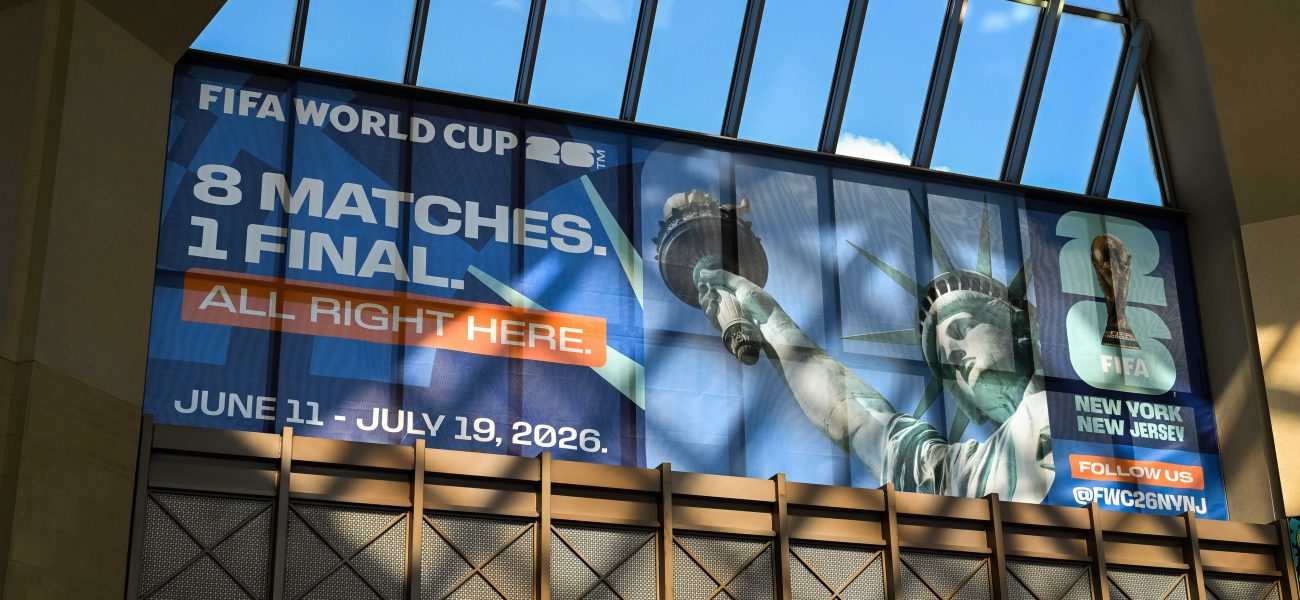
This development, highlighted by a FIFA World Cup banner at Secaucus Junction station in Secaucus, New Jersey, revealed plans for a specialized FIFA ticket that could exceed $100 for spectators traveling to MetLife Stadium for matches.
World Cup 2026: Transit Pricing Under Scrutiny
Concerns about fan experience and accessibility are growing as the 2026 World Cup approaches. An initial unsubstantiated rumor circulating suggested a complete ban on tailgating by FIFA, which was later clarified. However, the focus has now shifted to the financial burden of public transportation.
“The proposed transit fares in certain host cities raise questions about the affordability of attending the World Cup for many fans. Transparency and fair pricing are crucial for a global event of this magnitude.”
Cities such as New Jersey and Boston are proposing transportation schemes featuring exceptionally high prices for train and bus services. In contrast, locations like Philadelphia are receiving commendation for their initiatives to provide fans with free or nominally priced travel options to and from games.
USWNT Triumphs and Future Preparations
In other major soccer news, the United States Women’s National Team (USWNT) recently concluded their series against Japan with a decisive victory. This strong performance positions the team favorably as they prepare for the upcoming Concacaf W Championship scheduled for this fall.
Analysts are evaluating the current trajectory of the USWNT and anticipating their strategy and lineup as they move forward toward significant international competitions.
📄 POLICY WIRE WHITEPAPER PUBLISHED: PAKISTAN'S NATIONAL SECURITY POLICY PRIORITIES
👉 READ BY CLICKING HERELeadership Change at US Soccer
The U.S. Soccer Federation is also undergoing a notable leadership transition with the departure of Sporting Director Matt Crocker. Crocker is set to leave the federation to assume a similar role in Saudi Arabia.
The timing of this announcement and its potential implications for the organizational structure of U.S. Soccer, both leading up to and following the 2026 World Cup, are subjects of considerable discussion within the soccer community. This type of high-level personnel movement can significantly impact a sports organization’s strategic direction. Read More: New Orleans Saints Host Missouri OL Keagen Trost for Crucial Private Workout Ahead of 2026 NFL Draft
Host City Transport Challenges
The debate around transit pricing highlights a broader challenge for host cities in managing large-scale sporting events. Ensuring efficient and affordable access for thousands of fans is paramount for a successful tournament. The contrasting approaches by cities like New Jersey and Philadelphia underscore the varying priorities and planning strategies at play.
The logistical complexities of hosting a major international tournament, especially one spread across multiple venues, require careful coordination, often seen in other major sporting events. For example, similar challenges arise when managing fan movement for large-scale marathons. Read More: 2026 Boston Marathon: Marcel Hug, Eden Rainbow-Cooper Claim Wheelchair Titles Amidst Elite Race Action