

New Mexico’s Dry Crucible: Trivial Forecasts Mask Deeper Climate Reckoning
POLICY WIRE — Albuquerque, United States — It starts, as it often does, with a whisper of inconvenience. An isolated storm breaking up. Some heat building. For the unsuspecting, it’s just another...

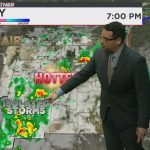
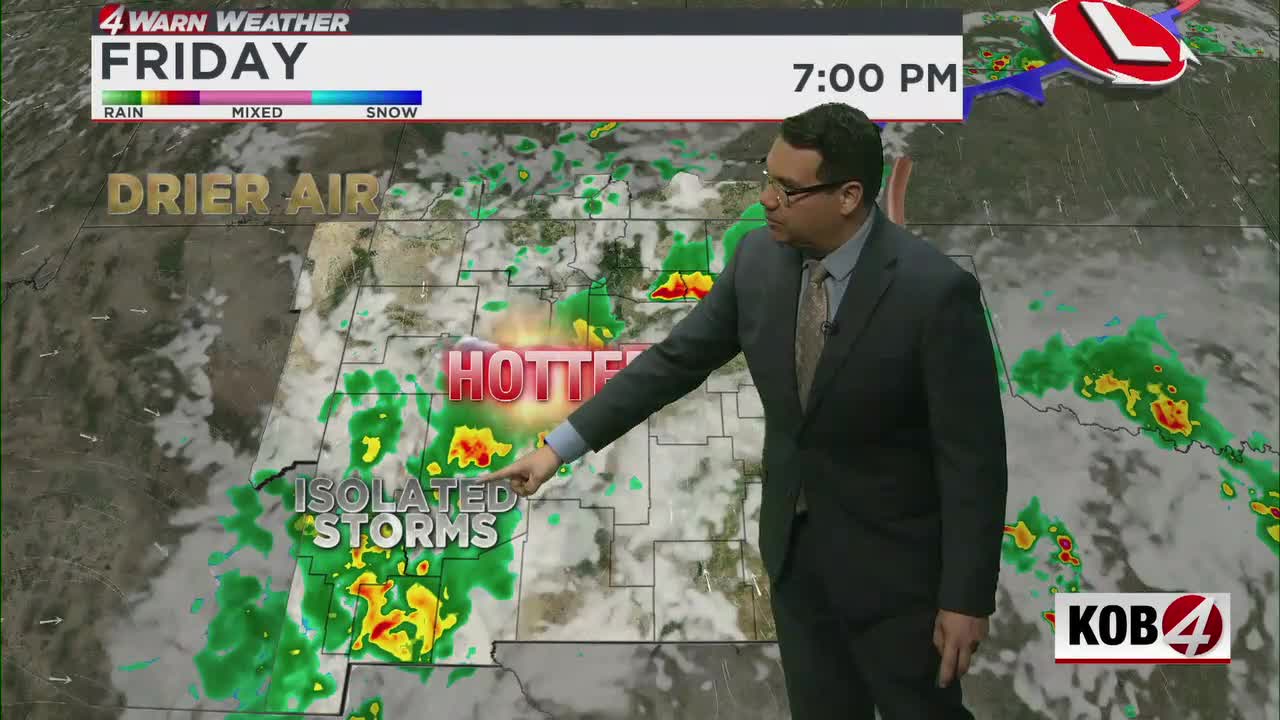
POLICY WIRE — Albuquerque, United States — It starts, as it often does, with a whisper of inconvenience. An isolated storm breaking up. Some heat building. For the unsuspecting, it’s just another bland weather bulletin — the kind we barely glance at. But in New Mexico, these seemingly innocuous atmospheric murmurs carry the weight of a far larger, more unsettling narrative. Because beneath the prosaic forecast, a desert state grapples with an accelerating climate reality: an unyielding crucible of heat and an evaporating future, all while the bureaucratic machinery grinds slowly, if at all.
This week’s outlook — that dry air will limit relief in some areas, pushing southern reaches toward triple-digit swelters — isn’t merely an advisory for weekend plans. No. It’s a dispatch from the front lines of what some see as a slow-motion environmental catastrophe, played out in sun-baked canyons and thirsty riverbeds. Radar blips indicating “leftover moisture bubbling up” offer a thin veil of hope, easily dispelled by the looming specter of a hotter, drier tomorrow. Measurable rain looks “unlikely” in Albuquerque by Sunday, they say. Don’t we just love those probabilities?
And it’s a future that elected officials, despite their occasional press conferences, seem hard-pressed to adequately confront. “We’re staring down the barrel of another brutally dry summer,” warns New Mexico State Senator Elena Ramirez, whose district abuts parched agricultural lands. “The public needs to grasp that these aren’t just inconvenient heat waves; they’re part of a permanent shift. It’s not just a nuisance; it’s an existential threat to our way of life here.” But for all the frank talk, concrete, impactful policy often remains as elusive as an August downpour.
The numbers don’t lie. They rarely do, even when politicians bend them. The latest report from the New Mexico Office of the State Engineer indicates underground aquifers supplying the Rio Grande basin have dropped by an average of 3 feet annually over the last decade. That’s a staggering rate, a stark reminder of diminishing reserves beneath an already stressed surface. It’s a slow bleed, almost imperceptible to the casual observer, yet profoundly impactful for farmers, industries, and everyday residents. The entire state feels a bit like ballpark anarchy sometimes—a high-stakes game where everyone knows the risks, but the clutch plays are missing.
This escalating aridity in New Mexico—this slow erasure of a once-tenuous natural balance—mirrors crises unfolding globally. Consider the struggles in Pakistan, a nation dependent on seasonal monsoons — and Himalayan glacial melt. Their water cycles are also disrupted by warming patterns, leading to both catastrophic floods — and prolonged droughts. Farmers there, just like their counterparts in America’s arid Southwest, watch helplessly as their livelihoods — and indeed, the food security for millions — are swallowed by the sky or choked by dust. It’s an ongoing global conversation, not unlike the scrutiny of cricket’s spirit, explored in ‘Nepal’s Awkward Apology’, albeit with far graver consequences.
“These aren’t just isolated events; they’re symptoms of systemic change,” asserts Dr. Alistair Finch, a climatologist at the University of New Mexico. “Policymakers have had decades of data in front of them; the real surprise isn’t that it’s getting hotter and drier, it’s that we, collectively, still seem so surprised, so unprepared. We’re losing the fight against heat before we’ve truly begun fighting the cause.” And because the conversation about climate has become so politicized, effective regional responses are often held hostage by national-level grandstanding.
What This Means
The persistent heat and escalating drought in New Mexico have profound implications that extend well beyond the comfort of its residents. Economically, sectors like agriculture — and tourism face significant strain. Less water means smaller crop yields, higher food prices, — and potentially crippling blows to local economies. Recreational activities, particularly those dependent on outdoor landscapes and dwindling reservoirs, will inevitably suffer, chipping away at one of the state’s economic mainstays. Politically, water—the ultimate scarce resource in the Southwest—will increasingly become a flashpoint for interstate disputes, exacerbating already testy relations with neighboring states like Arizona and California.
But it’s not just about immediate economic pain. This long-term trend forces a critical re-evaluation of urban planning, energy policy, and public health infrastructure. Will communities need to implement mandatory water rationing? Will energy grids, already strained by air conditioning demands during brutal summers, hold up under consistent, record-breaking heat? The human cost, too, can’t be ignored; increased heat-related illnesses and environmental refugees — both internal and external — represent grim possibilities. New Mexico, often a bellwether for climate issues in the American West, presents a chilling preview of challenges facing similar arid regions globally, illustrating how a mundane weather forecast can, in fact, foreshadow a looming policy failure of epic proportions.