

Youm-e-Takbeer: A Day That Made Pakistan Unbreakable
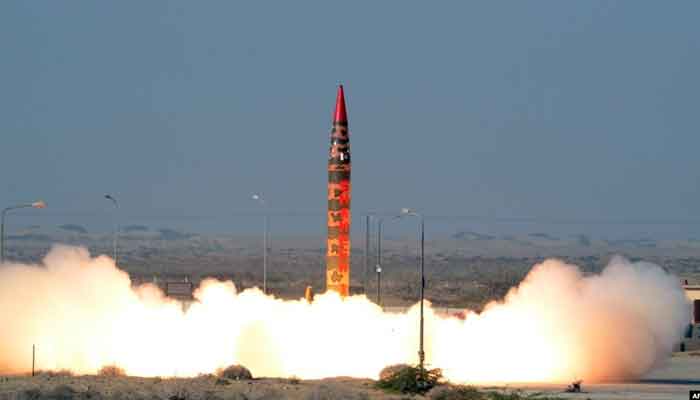
With pride, Pakistan joined the list of nuclear powers on May 28, 1998, when it became a nuclear state. The world watched as five nuclear tests were conducted in the Chaghi mountains of Balochistan....
With pride, Pakistan joined the list of nuclear powers on May 28, 1998, when it became a nuclear state. The world watched as five nuclear tests were conducted in the Chaghi mountains of Balochistan. The mountain turned white from the intensity of the explosion. “The Day of Greatness,” or Youm-e-Takbeer, was the name given to this day. It became a symbol of pride, strength, and unity for the Pakistani people.
Pakistan was forced to take this bold action to restore the balance of power in the region after India’s nuclear tests in May 1998, known as Pokhran-II. But the roots of this decision go much deeper. Back in 1974, India had already tested its first nuclear device under the name “Smiling Buddha.” That test sent a clear message that Pakistan needed to build its own nuclear strength. Years earlier, in 1965, Prime Minister Zulfikar Ali Bhutto had warned that if India made nuclear weapons, Pakistan would also do it, “even if we have to eat grass.” After India’s second round of tests in 1998, Pakistan had no choice but to respond to protect its security and maintain regional balance. Powerful countries like the United States and Japan tried to stop Pakistan through pressure and threats. But Pakistan’s politicians, scientists, and military leaders stayed firm. It was a difficult decision, but it was necessary for the country’s honour and safety. Economic sanctions and diplomatic censure followed. Despite all the administration of Prime Minister Nawaz Sharif approved it because they recognized the importance of national security.
This breakthrough was made possible by the hard work of numerous scientists and Dr. Abdul Qadeer Khan, who is regarded as the father of Pakistan’s nuclear program. Working tirelessly and secretly, he and his team made sure that Pakistan would never again be vulnerable to threats or bullying from any source. The basis of Pakistan’s nuclear policy is Minimum Credible Deterrence. It is implied that the weapons are only ever used for protection and never for harm. The aim is to prevent conflict, not to start one. Pakistan has expressed a desire for peace in the region on numerous occasions. However, it also guarantees that its sovereignty is unchallenged.
The security of Pakistan’s nuclear program is among its most crucial features. Pakistan has a very effective command and control system since 1998. All safety and management-related matters are handled by the Strategic Plans Division (SPD) . Pakistan has the most reliable nuclear safety measures in the world, according to international experts, including American think tanks. In contrast, India has seen several dangerous incidents involving its nuclear material. These incidents raise severe concerns about the safety of nuclear programs in the region.
In the state of Jharkhand in June 2021 two people were arrested as it was found that they were carrying than seven kilograms of uranium, a highly radioactive substance used in atomic bombs. This inncident was not observed for the first time as It was discovered that seven kilograms of uranium were being sold on Maharashtra’s underground market in May 2021. In 2008, Indian media stated thst Uranium disappeared from a government-run plant. The group that was caught attempting to smuggle nuclear material to foreign agents was caught again in 2016. Question raise there that Are radioactive elements are toys that indian public are so known to them and they sell out them illegaly? What about their safety measures? These numerous incidents point to a pattern of inadequate safety and bribery in India’s nuclear sector.
However, the world’s media and authorities frequently say little about these occurrences. In contrast to India, no such incident has ever occurred in Pakistan. There has never been any theft, leakage, or sale of Pakistan’s nuclear materials. This demonstrates how meticulous and disciplined Pakistan’s program is.
Pakistan has consistently demonstrated prudent nuclear power behavior. Pakistan has never used its weapons to threaten any country, despite India’s hostile acts. The drama surrounding the 2019 Balakot and Operation Sindoor airstrikes prompted Pakistan to respond cautiously, concentrating mostly on military targets and avoiding civilian losses. Pakistan’s commitment to harmony rather than devastation was clearly demonstrated. Nuclear power is not the only aspect of Youm-e-Takbeer. It is about independence, honor, and dignity. It serves as a reminder to the rest of the world that Pakistan is not weak. The nation gained a powerful voice in international affairs as a result of the tests. Pakistan today speaks out confidently on topics like global justice, Palestine, and Kashmir because it knows that no one can stop it with threats or coercion.
Additionally, the entire Muslim Ummah was proud of this day. The first and only Muslim nation to possess nuclear weapons is Pakistan. This day was commemorated by Muslims from Turkey to Indonesia. It demonstrated that a Muslim country can accomplish great things in the fields of science, technology, and defense.
With an emphasis on nuclear energy safety, command, and peaceful applications, Pakistan has kept refining its nuclear program. Today, Pakistan uses nuclear technology to aid with agriculture, treat cancer, and generate electricity. This demonstrates Pakistan’s belief in growth rather than war. The remnants of such massive explosion may still be seen in the white mountains of Chaghi today. The message that reverberates more than the explosion, though, is that Pakistan is here to stay. Pakistan is powerful. Pakistan is pleased.
Youm-e-Takbeer is a day for both celebration and introspection. It is a signal to the rest of the world that Pakistan cannot be dominated or bullied. Young people are reminded that their country is powerful enough to defend itself not just with guns but also with honor, wisdom, and unity. Pakistan has historically ended conflicts with courage and prestige, but it has never started any. This day makes every Pakistani proud, not because of the weapon but more because of the mentality that it has created.
Pakistan Zindabad. Youm-e-Takbeer Paindabad.
Author