


World Cup Expansion: Geopolitics and Global Aspiration Beyond the Pitch
POLICY WIRE — Washington, D.C. — It’s never just about the goals, is it? Behind the roar of the crowd and the calculated maneuvers on the field, the grand spectacle of global sport morphs into...

POLICY WIRE — Washington, D.C. — It’s never just about the goals, is it? Behind the roar of the crowd and the calculated maneuvers on the field, the grand spectacle of global sport morphs into something more: a canvas for international ambition, economic jockeying, and—sometimes, mercifully—a distraction from uglier realities. The coming FIFA World Cup, with its unprecedented scope, lays this bare. It isn’t just about athletic prowess; it’s about soft power, infrastructure booms (and busts), and the subtle shifts in global standing.
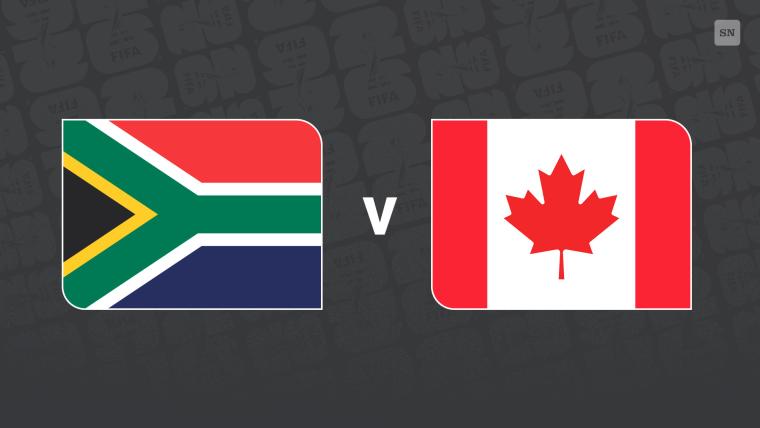
Consider the recent, seemingly innocuous matchup between South Africa — and Canada in the World Cup Round of 32. Two nations, often characterized as mid-tier players on the global stage, now face off in a high-stakes, sudden-death scenario. For South Africa, this represents something beyond the scoreboard—it’s about punching their ticket to the knockout rounds for the first time in four tournament appearances. Their narrative is one of surging confidence, having scored a massive 1-0 victory over South Korea. But Canada, meanwhile, limps into the matchup following a 2-1 defeat to Group B winner Switzerland. They also suffered the heartbreak of losing key midfielder Ismaël Koné to a tournament-ending fractured leg in their second match of the tournament. You see, even in individual performances, the national narrative often feels amplified, doesn’t it? [QUOTE_PLACEHOLDER]
The game itself, scheduled for Sunday, June 28, at 3 p.m. ET at SoFi Stadium in Los Angeles, California, is a microcosm. You’ve got South African talent like Teboho Mokoena and Percy Tau squaring off against Canada’s Alphonso Davies and Stephen Eustáquio. One of these historical underdogs will extend their dream debut in the World Cup knockout phase. But it’s the larger picture—the mechanics of the sport’s expansion and the scramble for prestige—that truly merits closer inspection. This isn’t just about football; it’s about the financial pipelines and political aspirations countries like these are banking on, especially with an eye to the massive 2026 event.
And what an event it’s slated to be. The 2026 FIFA World Cup, set to run from June 11 through July 19, 2026, marks an astonishing turning point. It’s the first World Cup hosted across three countries: the United States, Canada — and Mexico. This North American triumvirate will parcel out 104 matches across 16 host cities. Imagine the logistical ballet, the infrastructure upgrades, the tourism dollars predicted to flood cities from Vancouver to Guadalajara. This isn’t just a friendly arrangement; it’s a strategic partnership designed to maximize economic output and global visibility, perhaps a template for future mega-events.
Because, beyond the co-hosts, the 2026 tournament features an expanded 48-team format. This isn’t some small tweak. It’s a seismic shift, bringing more nations into the fold, granting a shot at the global stage to countries previously left watching from the sidelines. For developing economies, or those seeking a stronger international profile, qualifying for such a tournament provides an immediate, potent platform. For instance, the expanded list includes several nations from the Muslim world and South Asia like Algeria, Iran, Morocco, Qatar, Saudi Arabia, and Türkiye. Qatar’s hosting of the previous tournament, with its attendant scrutiny and financial commitments, showed just how high the stakes—and rewards—can be for these countries. It’s about establishing global relevance, about drawing eyes, and about showing capability on an international stage, never mind what the pundits say. The expansion directly speaks to this aspiration, opening doors to greater global representation. With this expansion, FIFA has effectively increased the tournament’s geopolitical footprint, turning more countries into invested stakeholders, which means more eyes, more sponsors, and, inevitably, more political leverage. A total of 48 teams will compete in 2026, a significant jump from the previous 32-team format.
📄 POLICY WIRE WHITEPAPER PUBLISHED: PAKISTAN'S NATIONAL SECURITY POLICY PRIORITIES
👉 READ BY CLICKING HEREWhat This Means
This massive expansion of the World Cup isn’t merely about more soccer games; it’s a savvy political and economic gambit by FIFA, skillfully leveraging the universal appeal of football. For the co-hosts—the U.S., Canada, and Mexico—it presents an opportunity for unparalleled international exposure and a chance to project unity, even while the actual benefits to host cities are often a mixed bag of tourism spikes and infrastructure debt. We’ve seen this before, the big promises sometimes falling flat. Yet, the allure of the global spotlight persists.
But the real geopolitical story here is how the expanded format offers a pathway for a wider array of nations to assert their presence on the global stage. Nations from Africa, Asia, and other regions, often relegated to the periphery of global discourse, now have increased odds of not just participating but truly competing. This isn’t just about sport; it’s about soft power, about nation-branding on an unparalleled scale. Each qualification is a triumph, yes, but also a political victory for a nation’s government, capable of uniting diverse domestic populations, at least for a while. It’s a calculated move that diffuses global influence, giving more nations a stake in FIFA’s enterprise and, by extension, in a form of globalized diplomacy. The tournament becomes a potent tool for economic development — and national pride, but it’s a double-edged sword. Countries like Pakistan and its neighbors in South Asia, while not always qualifying, are consistently part of this evolving conversation. When their regional counterparts succeed, it shapes perspectives and pushes their own national sports programs further into the political and economic spotlight. The broader question isn’t just who wins on the pitch; it’s about whose narratives win off it, whose economies get the boost, and whose flags wave highest in this complex, interconnected world.