

Will Pakistan-US Relations Outlast Trump’s Presidency?
In July 1971, Pakistani officials told reporters that Henry Kissinger was unwell and resting in the hills outside Islamabad. He was actually on a plane to Beijing. That secret trip opened the door...

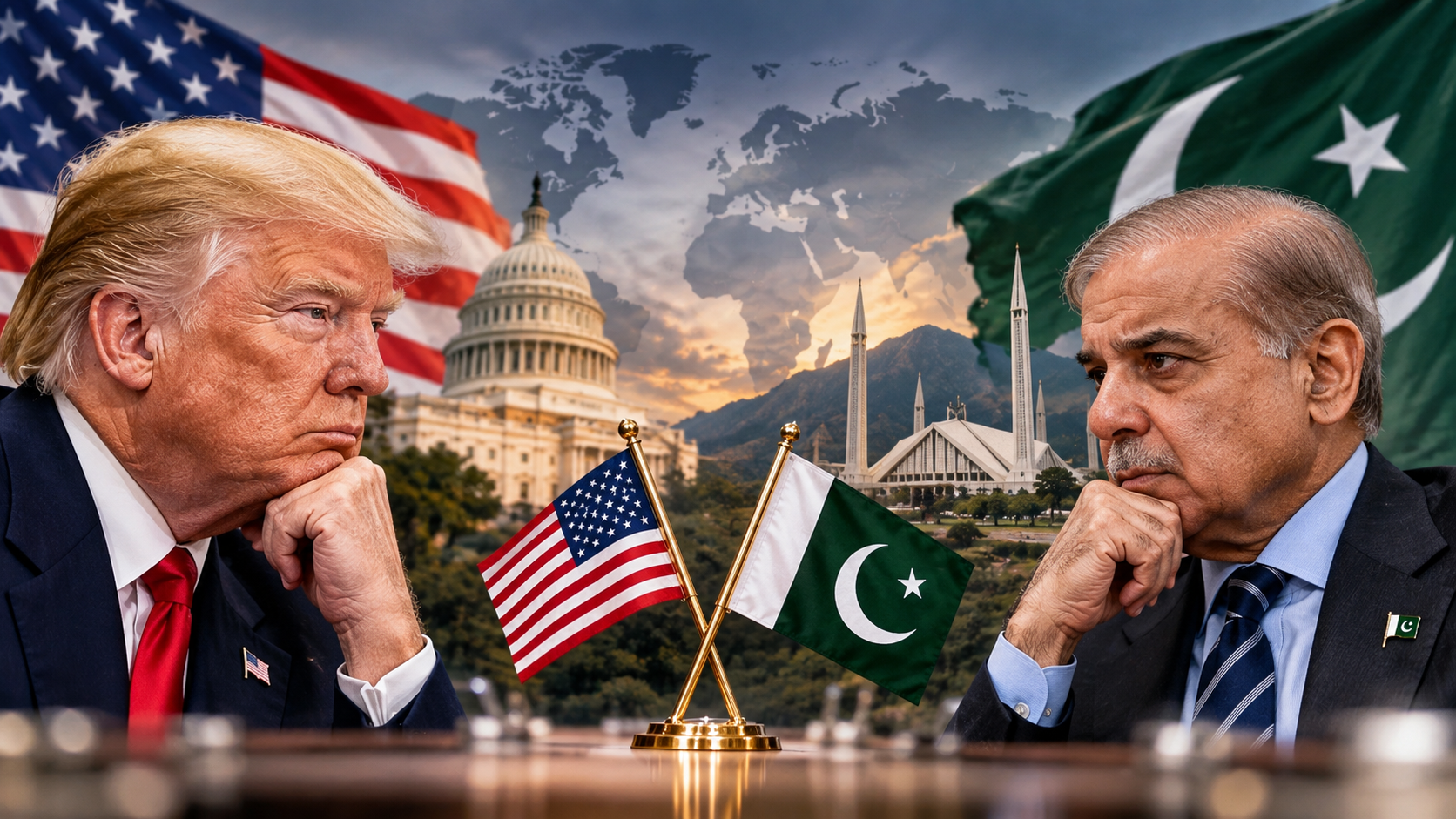
In July 1971, Pakistani officials told reporters that Henry Kissinger was unwell and resting in the hills outside Islamabad. He was actually on a plane to Beijing. That secret trip opened the door between Washington and China and shifted the balance of the Cold War, and it happened because Pakistan was a partner the United States could trust with its biggest secret. Fifty-five years later, the question is whether that partnership can survive a change in the White House.
It can. Democrats won both chambers of Congress this week, and many in Pakistan now worry about ties that Donald Trump warmed in public. But Trump gave the relationship new energy. He did not create it, and he does not decide where it goes. The 1971 trip shows why. Pakistan mattered to Washington because of where it sits and what it can do, and those facts do not change when a president does.
The same pattern repeated for decades. In the 1980s, the two countries backed the fight against Soviet forces together. After Sept. 11, 2001, Pakistan became a frontline partner against terrorism. Each phase ended in confusion, and each time officials came back to the table. Trump himself thanked Pakistan in March 2025 for helping catch a suspect in the 2021 Kabul airport bombing. Even in bad years, the two sides kept talking.
History also carries a warning. Washington can lose interest. So it is not enough to call the ties old, and therefore firm. They will last only if they rest on something firmer than one president’s mood. Hard security interests and trade can do that.
Start with security. Secretary of State Marco Rubio said in August 2025 that Washington values Pakistan’s help on counterterrorism and trade. Rubio has since said that Washington hears Pakistan’s worries about terrorists operating from Afghanistan. The United States has no embassy in Kabul and little visibility inside the country, while Pakistan shares a long and difficult border with it. Any president who fears the Taliban regime or terrorism will need Islamabad. Pakistan is also the only nuclear-armed Muslim state, which makes nuclear detterence a standing advantage for every U.S government’s fight against terrorism.
The Middle East raises the stakes. Pakistan helped broker the April ceasefire in the Iran war. In August, it signed the Mecca Joint Defense Agreement with Saudi Arabia and Turkey. Saudi Arabia is a U.S. partner and Turkey belongs to NATO, so Washington has good reason to keep Pakistan close as the Gulf looks for a new security order. Also, a Congress elected partly on anger over the Iran war will be slow to fund another one. That will help Pakistan achieve it’s diplomatic objective of bringing peace in the Middle East.
Trade is what separates this phase from the earlier ones, which ran on aid. The July 2025 trade deal cut reciprocal tariffs on Pakistani goods from 29% to 19%. In September 2025, U.S. Strategic Metals signed minerals agreements with the Frontier Works Organization for a first phase of about $500 million. U.S. goods trade with Pakistan reached an estimated $7.3 billion in 2024. Aid can be cut with a signature. Contracts between firms and ministries are harder to undo, and Washington’s push to loosen China’s hold on critical minerals will not fade with a new president.
That brings up a fair challenge from critics, who say Pakistan’s outreach was personal and not institutional. The honest answer is that it started personal. Prime Minister Shehbaz Sharif and Field Marshal Asim Munir met Trump often, and extended a diplomatic hand, but the results came through institutions. The tariff cut came from a negotiated agreement and the minerals deals from signed memorandums. Finance Minister Muhammad Aurangzeb and U.S. Trade Representative Jamieson Greer kept trade talks going at the working level. Pakistan kept its business with Washington in ministries and open contracts, where it can stand up to any long term changes.
That discipline also answers a deeper doubt, which is whether Pakistan has cleared up old suspicions inside the American foreign policy establishment. Partly. Its outreach now reaches beyond the White House. In January, a Pakistani delegation of senators and community leaders met lawmakers on Capitol Hill and asked for relief from immigrant visa limits. One House member agreed to help form a Pakistan Strategic Bipartisan Caucus, and Islamabad has signed a $1.2 million lobbying contract to expand the existing Congressional Pakistan Caucus. Old doubts about China, missiles and the Taliban regime remain, and Democratic committee chairs with subpoena power will press them harder. The best reply is steady results against terrorism and open dealings.
Pakistani Americans can carry part of that work. During a recent visit, Pakistani senators called the community one of the most successful immigrant groups in the country. Its weakness is division. It often lobbies on domestic political issues of Pakistan, even though if they start lobbying on trade and investment, Pakistan will prosper a lot. In near future that prosperity be determined on the route the diaspora decides to take.
The last doubt is whether Washington still relies on India to guard its interests in South Asia. It does, but way less than before. India anchors the American strategy to balance China, but the tariffs imposed in August 2025 damaged the partnership, and a Senate Democrats’ report described a “crisis of trust.” The Quad summit India was due to host in November 2025 never took place. Washington has now sanctioned Indian companies over alleged fraud that helped Iranian ships, while it turns to Pakistan for minerals and for help ending the Iran war. Washington is moving towards Pakistan, and a policy that needs Islamabad is harder for any one president to undo.
The midterm result will cost Trump power at home. Tone and priorities in Washington might shift when he leaves office. But the geography, the security needs and the contracts will remain. Islamabad’s task is to make the agreements, caucuses and ministry channels strong enough that the next president, from either party, inherits that working relationship.