


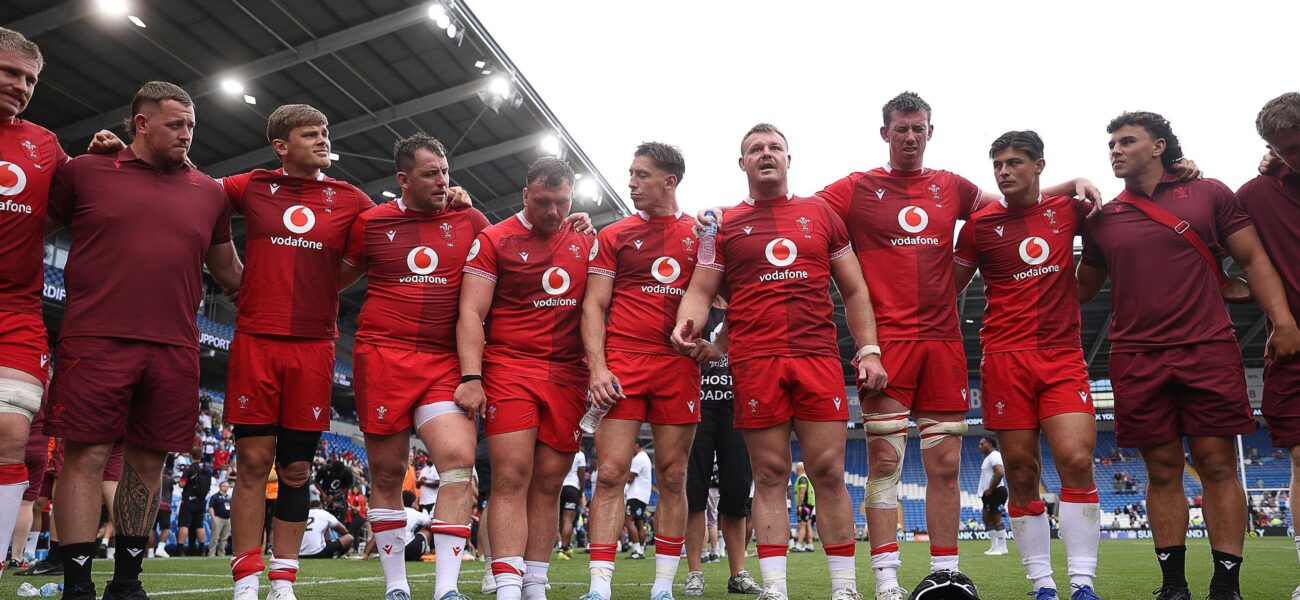
Wales Rugby’s Global Gauntlet: Pumas & Boks Await
Welsh rugby squad begins a 12,000-mile odyssey to face Argentina and South Africa. Unpack the brutal logistics, limited prep, and high stakes of this tour.

POLICY WIRE — Cardiff, UK — The celebratory cheers in Cardiff had scarcely faded before the Welsh rugby squad was packing their bags for a journey that makes an overseas holiday look like a trip to the corner shop. Just hours after a hard-won victory, these athletes find themselves flung into a logistical grinder—a dizzying sprint across time zones and hemispheres, all in the name of the game.
It’s not quite a victory lap; it’s more like a mandatory trek through a sporting obstacle course designed by a particularly uncharitable deity. Wales’ Nations Championship travelling campaign will begin in the next 24 hours when they jet off for matches against Argentina and South Africa, a pronouncement from the Rugby Football Union confirmed earlier today. This isn’t a gentle build-up, mind you. Fresh off an impressive six-try 39-24 victory against Fiji at Cardiff City Stadium, the momentum, one might think, would carry them. But now comes the true test: the wear — and tear of a 12,000-mile odyssey that could shatter any semblance of routine. The team will be attempting to tame both the formidable Pumas and the reigning Springboks—a true Goliath of modern rugby.
The first leg sends the 33-man squad over 7,000 miles, an arduous 17-hour flight to Buenos Aires. There, they’re set to acclimatize—if one can ever truly adapt after that sort of intercontinental upheaval—for most of the week before their clash with Argentina. Because that’s not enough, there will be another short flight for the game in San Juan next Saturday against Felipe Contepomi’s side. Argentina, for its part, commenced this new tournament with a rather bruising 38-47 defeat at home to Scotland. One would think they’ll be itching for redemption.
But the globe-trotting doesn’t stop there. After facing the Pumas, the Welsh contingent faces an additional 5,300-mile trip to Durban, crossing five time zones, to play world champions South Africa on 18 July. The Springboks, a team not known for their meekness, initiated their Nations Championship run with a 45-21 demolition of England. Talk about drawing the short straw. According to Huw Evans Picture Agency data, the aggregate travel distance exceeds 12,000 miles—a figure comparable to a journey from London all the way to Islamabad and back, underscoring the vast, energy-sapping scale of modern elite sporting logistics. You really gotta wonder sometimes, don’t you?
Head coach Steve Tandy isn’t playing the victim, though. He’s all grit and stoicism. “We’re going to face two unbelievable tests with limited training but it’s going to be a unique test for us,” he noted, sounding exactly like a man who’s been through the wringer. He anticipates mere scraps of preparation. “We’ll probably have one session in Argentina together because there’ll be separate flights over there. Then in South Africa, we might get two in but it’s something that we’re looking at.” Because you know, two sessions against the world champions after a transatlantic slog? It’s peak professional sport, that’s.
The schedule’s brutal nature means rotation isn’t just an option; it’s a necessity. [QUOTE_PLACEHOLDER] Tandy explained, painting a picture of calculated attrition. The pressure on the squad might have eased following the Fiji victory, but the coach isn’t letting them linger in their triumph. [QUOTE_PLACEHOLDER] he stated, with a bluntness that leaves little room for sentimentality. [QUOTE_PLACEHOLDER] That’s the hard truth of it.
📄 POLICY WIRE WHITEPAPER PUBLISHED: PAKISTAN'S NATIONAL SECURITY POLICY PRIORITIES
👉 READ BY CLICKING HEREAnd then there’s Argentina, licking wounds from their high-scoring defeat by Scotland. Wales won’t need a fresh memory for motivation—the 52-28 drubbing the Pumas inflicted on them in Tandy’s first game as head coach in November 2025 probably still stings. But despite the apparent disadvantage, Tandy views this exhausting itinerary as beneficial. [QUOTE_PLACEHOLDER] he recalled. [QUOTE_PLACEHOLDER]
He’s right, though, on some level. Forced proximity — and shared misery do build bonds. [QUOTE_PLACEHOLDER] he added. They’ll also contend with varying climates; [QUOTE_PLACEHOLDER] he acknowledged. This is all seen as crucial dry-run for the next year’s World Cup in Australia. [QUOTE_PLACEHOLDER] he predicted. [QUOTE_PLACEHOLDER] Plus, he believes, it’s a good opportunity for some newer faces and coaches to integrate deeply into the squad structure. For more on navigating extreme athletic challenges, see Altitude, Expectations: England’s Imperial Challenge in Mexico City.
What This Means
The economics and logistics underpinning modern elite rugby tours, particularly one as gruelling as Wales’ upcoming venture, tell a story beyond mere sport. We’re witnessing the full, relentless professionalization of athletic endeavour. Every mile, every hour in transit, translates to significant financial outlay—for charter flights, bespoke training facilities, medical support on call across continents. It’s an investment predicated on the hope of future returns, be it World Cup glory or the continued marketability of the Welsh rugby brand. But it also highlights a stark disparity; such globalized itineraries are primarily the domain of teams from wealthy, highly developed sporting nations. Smaller rugby economies, or indeed nations in developing regions like parts of South Asia or the broader Muslim world, often struggle to match such comprehensive, resource-intensive preparations due to infrastructure limitations, less robust funding models, or the sheer political and economic instability that can complicate international travel.
And let’s be real, while bonding is invaluable, these tours are also punishing showcases of human endurance against corporate schedules. Player welfare is consistently weighed against broadcast deals — and federation aspirations. It’s a delicate balance. But what’s genuinely significant is the implicit diplomatic function these tours serve, particularly for countries like South Africa. Hosting international teams, even in a high-contact sport, fosters soft power, brings tourist dollars, and offers a national platform that transcends the sporting arena itself. For Wales, this isn’t just about honing their scrums; it’s about testing their mettle—both physically and mentally—in the crucible of a globalized sport where only the most adaptable, and frankly, the most logistically pampered, survive. Ultimately, they’re preparing for a world stage where geopolitical considerations often brush shoulders with the bounce of a ball, and where nations vie for supremacy not just in skill, but in organizational fortitude. It’s a high-stakes, physically taxing preamble to what could be an even bigger international spectacle next year. But hey, at least they won that last match. For insight into how political dynamics can affect international sport, you might like The Price of Public Opinion: Indian Cricket’s Unsentimental Logic.