


Wellington’s Pacific Gambit: US Arms Deal Whispers Across the Shifting Indo-Pacific
POLICY WIRE — Washington, D.C. — While headlines trumpet superpower chess games in the South China Sea, a quieter but equally telling move just dropped. Uncle Sam’s green light for New Zealand...

POLICY WIRE — Washington, D.C. — While headlines trumpet superpower chess games in the South China Sea, a quieter but equally telling move just dropped. Uncle Sam’s green light for New Zealand to buy a sizable chunk of high-end maritime hardware isn’t just about helicopters; it’s a cold, calculated bet on where Wellington now fits in a rapidly hardening Indo-Pacific. A US$1.5 billion price tag for advanced MH-60R Seahawk choppers tells you they’re not just buying life rafts, are they?
It’s easy to shrug this off as a standard arms deal. But consider the players. New Zealand, the quiet cousin in the Five Eyes alliance, often known more for its anti-nuclear stance and placid diplomacy than for flexing military muscle, is suddenly boosting its naval punch. This isn’t just an upgrade; it’s a serious investment in intelligence, surveillance, reconnaissance, and anti-submarine warfare – the very capabilities necessary to operate effectively alongside Washington’s Pacific fleet. Because frankly, those frigates aren’t doing much without air cover that bites.
“This sale doesn’t just bolster New Zealand’s defense capabilities; it strengthens interoperability across our critical alliances in a complex operational environment,” stated a senior State Department official, speaking on background from Foggy Bottom. “We’re not just selling hardware; we’re reinforcing partnerships built on shared democratic values and a commitment to regional stability, even as new challenges arise.” A subtle jab, maybe, at China’s expanding presence, which, let’s be honest, everyone’s watching.
But Wellington isn’t just rolling over. “New Zealand’s defense forces have a singular focus: protecting our national interests and contributing to the security of our immediate region and beyond,” Defence Minister Judith Collins told Policy Wire in an emailed statement. “These modern capabilities ensure we can uphold our obligations, support our neighbors, and maintain sovereign control over our vast maritime zones. We’re a small nation, yes, but we aren’t shy about investing in our security.” She’s got a point. You don’t get to be New Zealand by ignoring what’s happening in your backyard. And that backyard stretches a lot further than most maps suggest, often crossing into areas where Pakistani frigates and patrol boats also conduct maritime security operations.
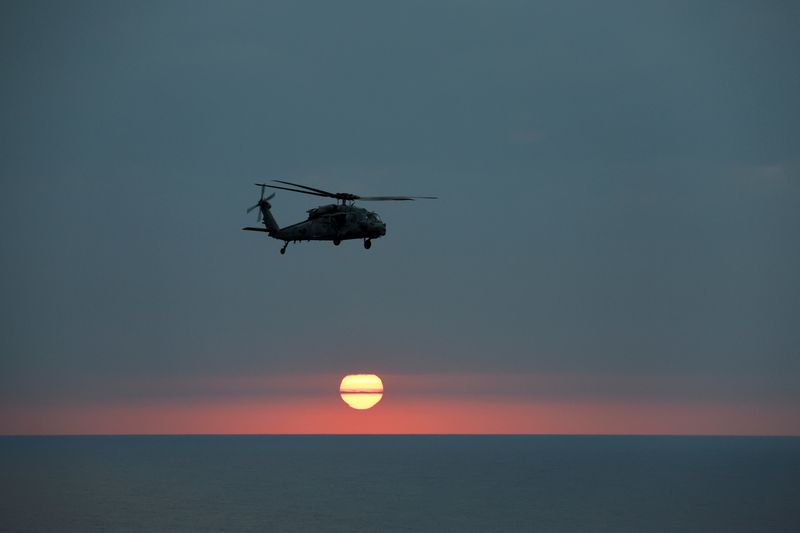
The MH-60R Seahawk, an airframe steeped in US Navy tradition, isn’t just for tracking submarines. It’s got sophisticated radar, sonar, and weapon systems that make it a multi-role beast, able to tackle everything from surface threats to search-and-rescue. For New Zealand’s small but well-trained navy, it means a huge leap in projection — and reach. They’ll be able to scout vast tracts of the Pacific, often where global shipping lanes intertwine—routes that countries like Pakistan, for instance, rely on heavily for trade and energy security through the Indian Ocean and beyond.
This increased capacity could, in a less direct way, contribute to a broader network of maritime domain awareness, assisting international efforts to combat piracy, illegal fishing, and illicit trafficking, which plague waterways from the Strait of Malacca all the way to the Gulf of Aden. Even though it’s oceans apart, the stability of these global arteries affects everyone, from Auckland’s ports to Karachi’s bustling harbor. You don’t have to be a direct partner to feel the ripples.
📄 POLICY WIRE WHITEPAPER PUBLISHED: PAKISTAN'S NATIONAL SECURITY POLICY PRIORITIES
👉 READ BY CLICKING HEREAnd speaking of stability, let’s talk numbers. The US State Department recorded over $80 billion in foreign military sales authorizations in Fiscal Year 2023 alone, indicating a consistent, muscular approach to equipping allies globally. This New Zealand deal, while significant for a nation of its size, fits a clear pattern of Washington attempting to stitch together a comprehensive bulwark against perceived regional threats. But at what cost to Wellington’s traditional independent posture?
What This Means
Politically, this helicopter acquisition cements New Zealand’s drift closer into the orbit of its Five Eyes partners, particularly the United States, in terms of defense interoperability. It signals a pragmatic acceptance within Wellington that the days of quietly observing from the sidelines are waning, especially given China’s assertiveness. New Zealand might not be joining AUKUS tomorrow, but it’s certainly beefing up its individual capacity to play a more integrated role in regional security operations. This shifts the internal policy debate too, inevitably. Hardline critics will bemoan the erosion of their non-nuclear independent foreign policy identity, arguing it turns them into just another node in the American sphere. But supporters, conversely, will tout it as essential self-preservation in a neighborhood that’s becoming increasingly, shall we say, opinionated.
Economically, for New Zealand, it’s a massive investment—a chunky portion of their defense budget earmarked for these choppers. It’s a statement about their perceived security challenges being worth this considerable outlay, likely impacting other public spending areas down the line. But from Washington’s perspective, it’s good for business; an inflow to the US military-industrial complex and another ally equipped with compatible systems, making future joint exercises (and maybe future sales?) all the more straightforward. It’s not just about selling goods; it’s about selling influence, and America’s pretty good at that particular sales pitch.