


Wallabies vs. Ireland: Schmidt vs. Farrell – Grand Test
Rugby's grandest rivalry reignites! Wallabies face Ireland as Joe Schmidt clashes with Andy Farrell. Ireland battles injury; Australia eyes 2027 World Cup.

POLICY WIRE — Sydney, Australia — The thrum of an imminent professional divorce typically doesn’t resonate this loudly across two continents, but then again, professional rugby, particularly at this elite tier, isn’t known for quiet exits. Joe Schmidt, a name etched deep into the modern Irish rugby psyche, is preparing his final hurrah with the Wallabies, the stakes visibly elevated not just by the competition but by the sheer, unyielding personal history.
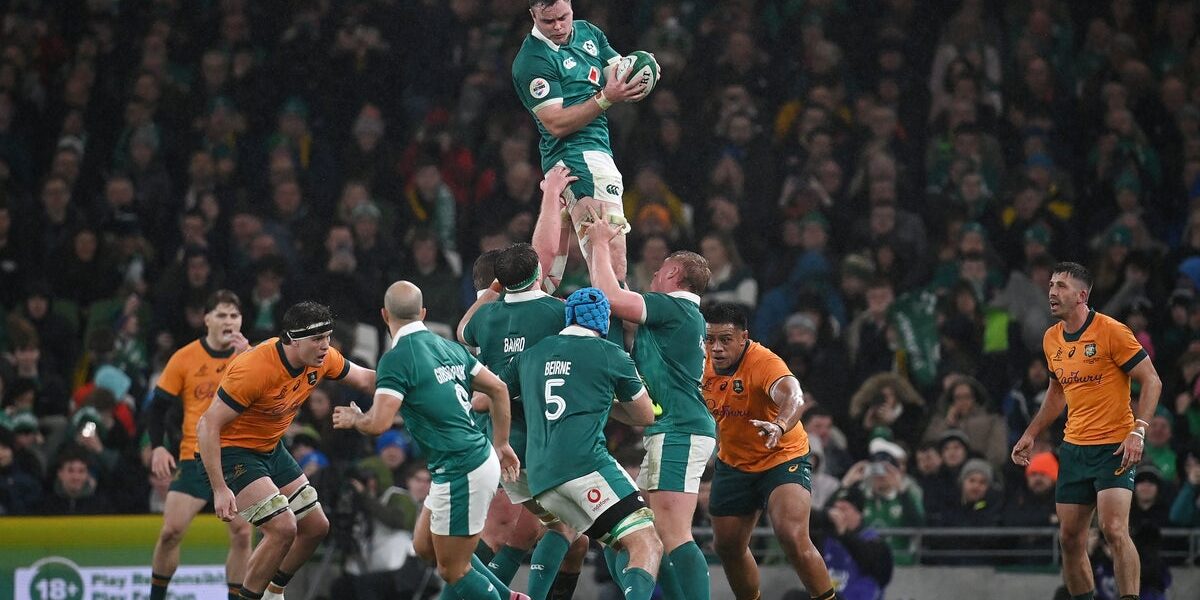
It’s Saturday, July 4th, 11:10 AM BST, — and Allianz Stadium in Sydney isn’t just hosting another Test match. This is Australia versus Ireland—familiar foes—but with layers. Andy Farrell, Schmidt’s former understudy with Ireland, now leads the Men in Green, and has already bested his old boss in last year’s British and Irish Lions series. One can’t help but notice the palpable undercurrent; this isn’t just about the ball, it’s about bragging rights, personal validation, and perhaps, a clean slate. That Schmidt will hand over to Les Kiss later in the year gives this opening gambit an added weight, a kind of farewell tour that begins with a deeply personal challenge. [QUOTE_PLACEHOLDER]
But the Irish side—well, they’ve got problems. They’re heavily hit by injury. Seriously hit. It’s the kind of wholesale disruption that leaves coaches scrambling — and fans clutching their chests. Key players are simply unavailable. Dan Sheehan skippers the Irish side. Caelan Doris, another significant figure unavailable. Imagine, for a moment, the meticulous planning, the finely tuned machinery of a top-tier international rugby squad, suddenly missing critical cogs. It isn’t just about finding replacements; it’s about rebuilding momentum from the ground up, all while facing a host nation champing at the bit.
Australia may just fancy their chances of a significant win. They’re gearing up for a home Rugby World Cup in 2027, an event that’ll bring immense economic stimulus, with an estimated AU$2.5 billion in GDP contributions anticipated for host cities, according to independent sporting analyses. These early Nations Championship games aren’t just a warm-up; they’re a proving ground, an opportunity to build a narrative of invincibility on home turf. They’ve recalled full-back Jock Campbell for his first international appearance in nearly four years, a nod to both experience and adapting to injury woes themselves in their ranks. James Slipper is even out of retirement — and set to earn his 152nd cap after loosehead injury issues. Necessity, as they say, is the mother of invention—or at least, of veteran call-ups.
Sam Prendergast is backed at No 10 by Andy Farrell in the absence of the injured Jack Crowley. Jamie Osborne showcases his versatility as he starts on the wing. You’ve got to admire the resilience. This Irish squad, despite its wounds, still possesses formidable talent. They aren’t coming to Sydney for a pleasant vacation. Bundee Aki ensures there’s plenty of experience on the bench. They will want to remind everyone that their depth is still world-class.
📄 POLICY WIRE WHITEPAPER PUBLISHED: PAKISTAN'S NATIONAL SECURITY POLICY PRIORITIES
👉 READ BY CLICKING HEREWhat This Means
This match isn’t just about 80 minutes of rugby; it’s a telling barometer for both nations. For Australia, a strong showing here, especially against a highly-ranked Irish side (even if weakened), could kickstart public enthusiasm for their 2027 World Cup ambitions and provide Schmidt a satisfying coda to his Wallabies tenure. A win validates tactical decisions, justifies the call-ups, and pumps confidence into a side that desperately needs it after recent fluctuating performances. Politically, national sporting success often translates into a feel-good factor, subtly bolstering government narratives of strength and unity—something every administration, regardless of stripe, appreciates.
For Ireland, this contest tests their depth, their resolve, — and Farrell’s ability to improvise under immense pressure. Losing would certainly sting, but a creditable performance despite the injury storm could paradoxically strengthen their long-term prospects, demonstrating the resilience of their rugby program. Consider the broader global stage: for many emerging rugby nations, particularly those with less historical clout or smaller fan bases—and here, we might consider the enthusiasm for niche sports in regions like Pakistan, where cricket reigns supreme but other athletic endeavors vie for national pride—the symbolic power of such an international contest is enormous. While Ireland vs. Australia might not grab headlines in Lahore, the intensity of national pride and the aspiration for global recognition through sport resonate universally, echoing struggles and triumphs found across different sporting landscapes and national identities, even those born of a shared Commonwealth past. It’s a powerful mirror reflecting what nationhood means in a fiercely competitive global arena, whether it’s the roar of the crowd in Sydney or the fervent hope for Olympic glory in Islamabad.
Ultimately, these spectacles are carefully choreographed commercial enterprises, wrapped in national colors. ITV1 in the United Kingdom, for instance, starts its coverage at 10:30 AM BST, emphasizing the match’s commercial weight and its appeal to a significant international audience. And you bet both teams are acutely aware of the millions watching, assessing, and, frankly, judging.