


Virginia Slashes Microsoft Data Center With $2.5M Emissions Fine
Virginia fines Microsoft's data center $2.5M for emissions violations, marking the state's largest penalty against a tech facility.

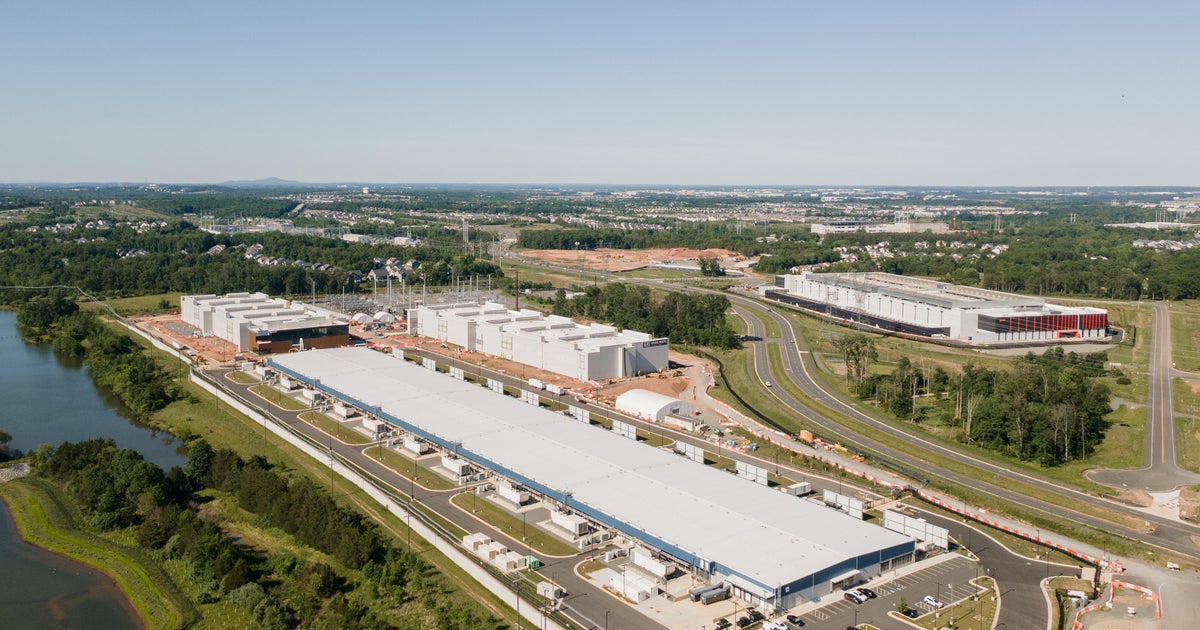
POLICY WIRE — Leesburg, Virginia — A Virginia state agency has imposed a record $2.5 million fine on a Microsoft data center for exceeding emissions limits last year, marking the largest civil penalty ever levied against a data center in the state.
The Department of Environmental Quality reported that in June 2025, an electrical substation failure at the facility in Leesburg forced the use of 62 emergency generators over seven days, leading to excessive emissions of carbon monoxide, volatile organic compounds, and particulate matter. The facility exceeded its permitted pollution levels during this period, according to the agency.
As part of the settlement, Microsoft has committed to investing $2.4 million into an air quality monitoring initiative in Loudoun County, where the facility is located. The funds will support the deployment of dozens of air quality sensors in regions with the highest density of data centers. Meanwhile, local residents have raised concerns about the environmental and health impacts of the growing number of data centers in the area, which is known as ‘Data Center Alley.’
The Loudoun County Board of Supervisors approved a one-year pause on new data center applications, effective September 15, after a 7-1 vote. While the board will not act on new proposals during the moratorium, applications can still be submitted. The county attorney argued that a full moratorium would conflict with state law, but the board is also considering stricter regulations for future developments.
Community members like Greg Pirio, who lives near a data center with its own power plant, have criticized the industry for noise pollution, health risks, and declining property values. Supporters of data center expansion, however, highlight the economic benefits, including projected $1.3 billion in local tax revenue, which they say will fund public services such as education and law enforcement.
Reporting by Policy-Wire (PW)