


USDA Confirms First U.S. Wildlife Case of New World Screwworm in Texas Elk
Federal officials confirm the first U.S. wildlife case of New World screwworm in a Texas elk. Learn the warning signs and impact on livestock production.

POLICY WIRE — Washington, D.C. — The U.S. Department of Agriculture confirmed Wednesday that a case of New World screwworm has been identified in a Texas elk, marking the first time the parasite has been detected in U.S. wildlife.
The infected animal was located on a game ranch in Pecos County. The discovery was reported following the animal’s harvest by a hunter, according to the USDA’s Animal and Plant Health Inspection Service.
In response to the finding, the USDA and the Texas Parks and Wildlife Department have initiated expanded surveillance efforts in the region. Additionally, the Texas Animal Health Commission is in the process of adjusting a previously designated infested zone.
Authorities are advising hunters to remain vigilant for symptoms of the parasite. Warning signs include visible maggots within wounds, foul-smelling injuries, and animals exhibiting signs of weakness or distress.
Other indicators of infestation include wounds that are open or enlarging, as well as parasitic activity around an animal’s eyes, ears, nose, mouth, or genital regions. Officials are requesting that any suspicious cases be reported immediately.
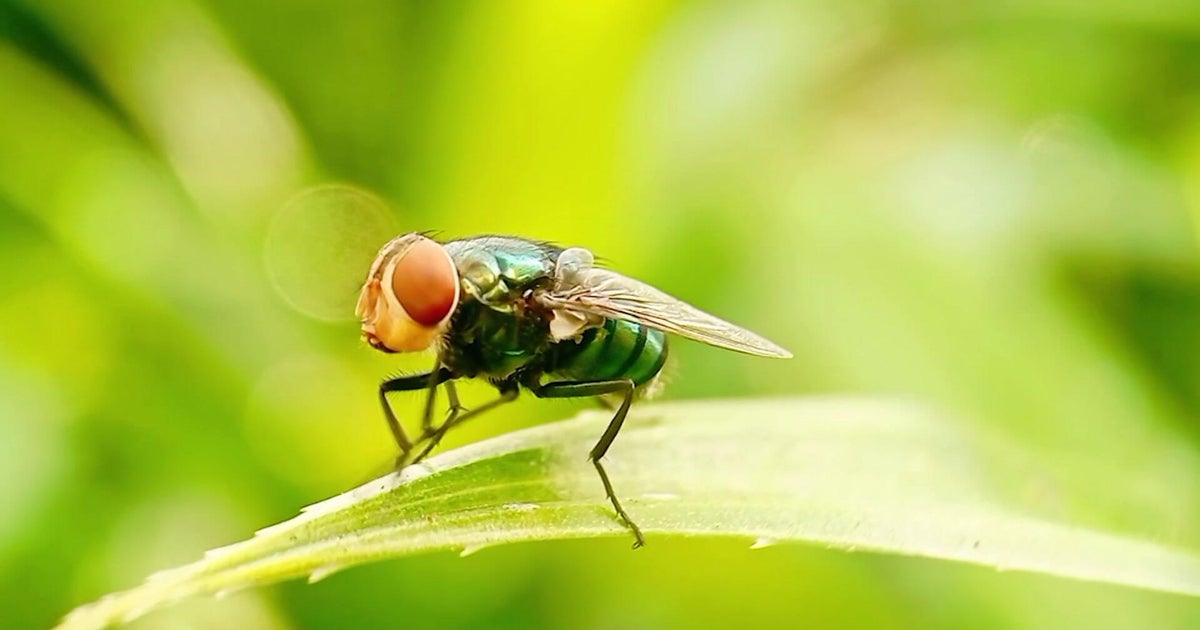
This incident follows a June confirmation by the USDA regarding a 3-week-old calf in Texas that had contracted the flesh-eating parasite. The New World screwworm is a parasitic fly that deposits eggs into the open wounds or body orifices of warm-blooded animals, including livestock and, on rare occasions, humans. The Centers for Disease Control and Prevention notes that once the eggs hatch, the larvae consume living tissue.
While the USDA maintains that the parasite does not pose a threat to food safety, it can significantly disrupt meat production. The parasite is typically endemic to South America and parts of the Caribbean, though it has migrated into Mexico and Central America in recent years. A human case was confirmed in the U.S. last year, though the patient recovered and no further transmission was identified.
Reporting by Policy-Wire (PW)