

Uncle Sam’s Stern Note: States Told to Halt UI Fraud, or Else
POLICY WIRE — Washington D.C., USA — It wasn’t the sound of bells or whistles that heralded Wednesday’s ultimatum from the U.S. Department of Labor, but a bureaucratic hammer blow. Governors...

POLICY WIRE — Washington D.C., USA — It wasn’t the sound of bells or whistles that heralded Wednesday’s ultimatum from the U.S. Department of Labor, but a bureaucratic hammer blow. Governors nationwide received stern letters. The message? Get your house in order on unemployment insurance fraud, or expect to feel a very tangible pinch where it hurts: administrative funds. This isn’t just about fiscal responsibility, you know; it’s about a finely tuned political dance, a repeated performance from President Donald Trump’s administration targeting state-run programs that happen to tap into federal money.
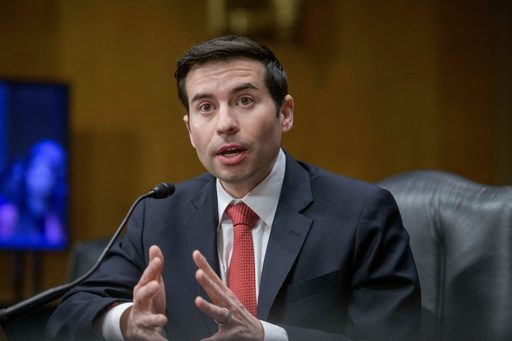
It’s a pattern we’ve seen before. Like with most of the other similar announcements, the administration focused on issues in states where Democrats control the government. And that’s no accident, is it? It smacks of an administration – always – looking for an angle, finding convenient targets to prove a point. Acting Labor Secretary Keith Sonderling didn’t mince words, though. He stated, We’re officially putting governors on notice. He continued, The American people will no longer tolerate the blatant waste, fraud, and abuse of their hard-earned tax dollars — no state should allow it either. If states allow it, they will suffer the consequences. Plain spoken, almost disarmingly so for a federal mandate that carries some real teeth. One can practically hear the subtle sniff of a political challenge in every clause. (Awaiting official quote)
The Department pointed fingers at several causes for what it called unprecedented fraud to flourish. Poor oversight. Outdated technology. Weak identity verification. Lax controls. But guess where they saw the biggest problems? California, Illinois and New York — all states where Democrats control the governments. It makes you wonder, doesn’t it, about the timing — and emphasis of such declarations? California Gov. Gavin Newsom’s office certainly noticed. They blasted the move and criticized lax regulations and rushed distribution of unemployment benefits by the first Trump administration during the COVID-19 pandemic. They’re not exactly buying the narrative straight, are they? Newsom spokesperson Marissa Saldivar was quick to add, Meanwhile California outperforms other states in addressing fraud.
Details from the Labor Department? Sparse, for a moment. They didn’t immediately respond to questions from The Associated Press about the details of the alleged fraud. Convenient, some might say, to levy an accusation with broad strokes, leaving the fine print for later. But the issue itself isn’t new. It’s a cyclical problem, one that seems to emerge whenever large sums of money are rapidly dispersed. We’re talking big money here. The nonpartisan Government Accountability Office estimated that fraud accounted for between 11% and 15% of the amount paid out through unemployment insurance programs from April 2020 through May 2023. That’s a staggering amount of taxpayer cash, flowing out the door.
And that period? It included the last months of Trump’s first term — and over half of former President Joe Biden’s time in office. Access to the funds was eased, — and the government noticed the issues as the money was going out. Because sometimes, speed triumphs over scrutiny. The current administration notes that consequences from pandemic-era fraud are still playing out. But this is more than just about fixing old mistakes; it’s about control. They’ll dish out further directives in coming weeks, no doubt packed with more opportunities for friction.
The bigger picture reveals a systematic approach. Vice President JD Vance is overseeing an anti-fraud task force focused on potential misuse of social programs. This administration isn’t shy about leveraging federal power to influence state operations, particularly when perceived — or real — mismanagement of funds is involved. The Department of Health and Human Services even tried to withhold money for child care subsidies and other social service programs from five states — all governed by Democrats — but has been rebuffed by a court. But they haven’t stopped there. The department has also announced it’s using artificial intelligence to police how states and other recipients of federal dollars are auditing their program. And, as if to underline the point, the Department of Agriculture has threatened to withhold administrative funds from states that don’t provide data on participants in the Supplemental Nutrition Assistance Program, including their immigration status. It’s a full-court press, an aggressive assertion of federal oversight.
Across the globe, nations grapple with the transparency and accountability of public funds, a struggle mirrored here at home. Countries like Pakistan, for instance, know well the challenges of ensuring aid and public welfare initiatives reach their intended recipients without significant leakage through fraud or corruption. When public trust erodes over the mismanagement of funds — whether it’s through the black markets for smuggled oil or inflated figures on paper — it impacts more than just budgets; it damages the foundational faith in governance. You see a similar battle against opacity and corruption in the context of desperation-fueled smuggling routes near the Iran-Pakistan border, where informal economies thrive on circumventing official systems. The underlying challenge of oversight, therefore, isn’t uniquely American; it’s a universal quandary of federal structures everywhere.
What This Means
This isn’t merely an administrative squabble; it’s a strategic maneuver ahead of a contentious election cycle. The administration, sensing a potent political weapon, is deploying accusations of waste and fraud to paint their political opponents as fiscally irresponsible. Expect these warnings to morph into campaign rhetoric, framing federal funds disbursed to Democratic-led states as poorly managed — possibly even exploited — on their watch. Economically, cutting administrative funds for unemployment programs could cripple states already stretched thin. This isn’t just about accountability; it’s about control, a thinly veiled effort to assert federal dominance over state sovereignty, forcing states to comply with specific ideological directives or face tangible financial repercussions. This particular battle highlights the broader struggle within federalism: how far can the central government push its agenda on the states without undermining the very system of shared power? The use of AI in policing these programs signals a future where technological surveillance of state operations could become the norm, tightening the federal leash considerably. It’s a precedent, plain — and simple, that’s going to ripple for a while.