


UCLA Bruins Eye Day 2, 3 NFL Draft Rounds as Teams Hunt Unsung Heroes
POLICY WIRE — Pasadena, California — The crowd’s roar? It might’ve waned after the first round, sure. But for a cohort of aspiring NFL players, the real grind—and, truly, the real...

POLICY WIRE — Pasadena, California — The crowd’s roar? It might’ve waned after the first round, sure. But for a cohort of aspiring NFL players, the real grind—and, truly, the real shot—it’s just unfolding. Make no mistake. Day 1 of the NFL Draft. It’s an absolute extravaganza, a prime-time coronation for a precious, select few.
But the true art of team building, that fastidious quest for foundational pieces and future stars, a slow burn compared to Day 1’s fireworks, frequently unfurls in the less glamorous—yet arguably far more consequential—rounds that follow. Think of it: a treasure hunt in plain sight.
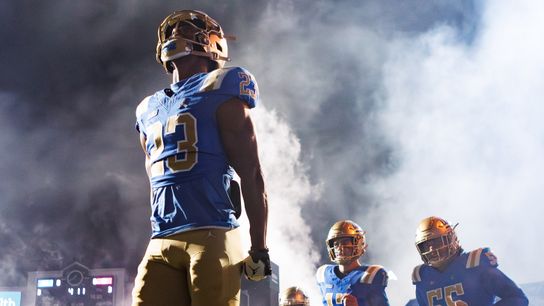
For the UCLA Bruins, this year’s draft has truly pivoted its focus to those middle — and later stages. Not a single Bruin heard their name called during Thursday’s opening night. An unexpected silence for a program that’s certainly no stranger to dispatching talent to the pros.
And yet, that’s hardly a death knell for their professional aspirations, is it? Plenty of future greats have, in fact, slipped past the first-round spotlight.
Friday and Saturday—encompassing rounds two through seven—that’s when the war rooms really earn their keep. General managers and scouting departments—those tireless arbiters of gridiron destiny, sifting through an ocean of college film and stats like prospectors panning for gold—pour over reams of data, revisiting tape, and trusting their instincts to unearth players who can significantly reverberate through their rosters without the hefty price tag of a top-tier pick.
It’s during these rounds that teams often find the tenacious linebackers, the versatile offensive linemen, or the explosive wide receivers who become the unsung heroes of championship runs. You know, the guys who actually win games. Big shift from the media circus of Round 1, for sure.
“Day one gets the headlines, sure. But Day two and three? That’s where you build your roster, where you find the players who win you championships,” avowed one anonymous NFL general manager, reflecting a common sentiment across the league. “The value here is immense if you do your homework.” (And who wouldn’t want that, honestly?)
Indeed, the math is unsparing: over half of all NFL Pro Bowlers in the last two decades were selected outside the first round, according to a 2017 NFL.com analysis. Think about it.
This isn’t merely about unearthing a diamond in the rough; it’s about strategic roster construction. Teams with strong scouting networks often triumph here, identifying prospects with specific skill sets that fit their schemes, rather than just raw athletic potential. It’s a calculated gamble, always.
Consider wide receiver Kyle Miller, a formidable presence on the field for the Bruins. His speed and route-running ability? They’re precisely the kind of attributes that could make him a valuable addition to an NFL offense, even if he wasn’t among the elite few taken in Round 1.
So, will he be the next great success story from the later rounds? Or won’t he?
UCLA head coach DeShaun Foster, himself a former NFL running back, remains quite steadfast in his belief in his players. “Our guys have put in the work. They might not’ve heard their names called Thursday, but their talent and character will shine through,” Foster confidently stated.
“This isn’t a sprint; it’s a marathon, — and we’re just getting started,” he added. What a line.
The global appeal of American football, too (and isn’t it something?), means these draft decisions resonate far beyond North America. Fans in places like Pakistan, increasingly enthralled by the NFL’s athleticism and strategic depth, closely follow player narratives, especially those of underdogs or late-round surprises.
Their stories. From college gridiron to professional glory. They offer universal lessons in perseverance — and dedication. It’s a testament to the sport’s expanding reach, identifying talent from all corners, not just the most obvious ones.
What This Means
This shift in focus to Day 2 — and 3 for UCLA prospects truly illuminates a larger trend in modern NFL team building. Teams are becoming increasingly adept at finding value beyond the top picks, recognizing that financial flexibility and depth are as pivotal as superstar talent.
It also reflects a nuanced understanding of positional value. While quarterbacks and edge rushers often dominate Day 1 (and let’s be honest, who doesn’t love a flashy QB pick?), later rounds allow GMs to fill out critical support roles: reliable slot receivers, sturdy interior linemen, and specialized defensive backs. These players, while perhaps less celebrated, are non-negotiable to a winning formula.
For college programs like UCLA, it means a continued emphasis on player development, regardless of first-round projections. Their ability to consistently produce NFL-caliber talent across all positions buttresses their recruiting appeal, even if they don’t always land the top-billed prospects. And that’s exactly what they should be doing, isn’t it?
The draft’s later rounds also offer a unique psychological crucible. Players facing the disappointment of a Day 1 snub often arrive at their new teams with a renewed hunger, a chip on their shoulder that can fuel exceptional performance. It’s a dynamic many coaches—ever searching for that intangible spark, that defiant glint in a player’s eye that signals true grit—actively seek, knowing such raw hunger can translate into championship-level play.
Related: The Silent Nod: McVay’s Draft Night Poker Face Signals Deeper Rams Game Plan
In the final analysis, the true measure of a draft class isn’t taken on Thursday night (no, not at all). Instead, it’s measured years down the line, when these Day 2 and 3 selections prove their worth, anchoring defenses or sparking offenses, cementing their places as essential contributors. The spotlight might be dimmer, granted, but the stakes remain incredibly high for everyone involved, from player to general manager. That’s the enduring allure of the NFL Draft’s second — and third acts. It really is.