


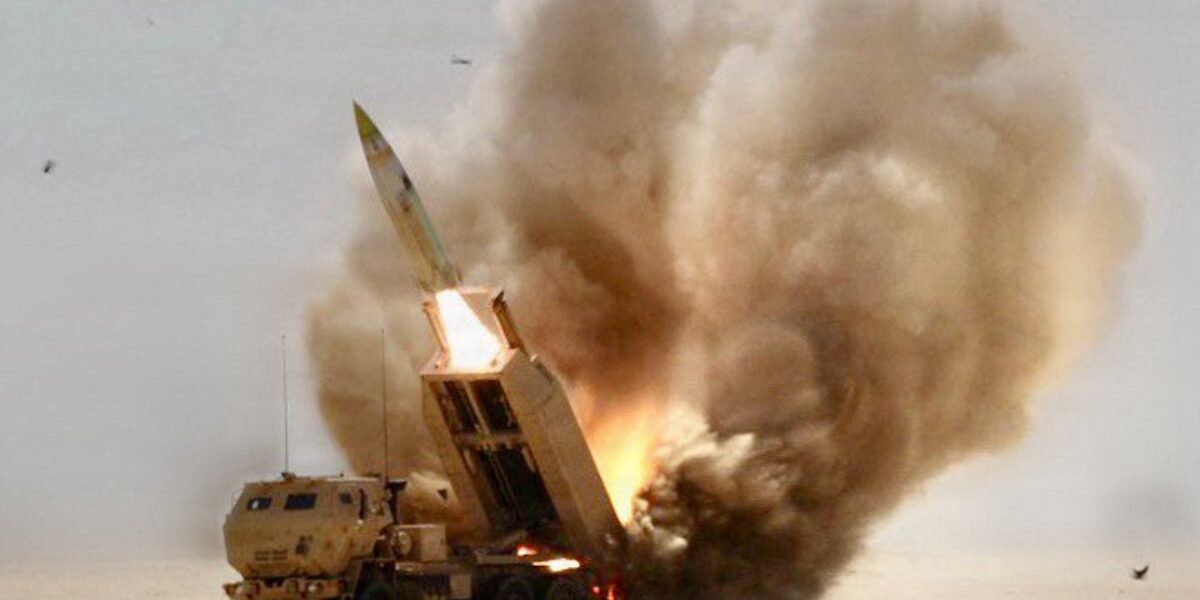
U.S. Munitions Shortfall Exposed in Iran Conflict, Report Reveals $33.4B Cost
New report reveals U.S. faces munitions shortage after $33.4B Iran conflict. Pentagon warns of long-term challenges.

POLICY WIRE — Washington, D.C. — A newly released report from the Department of Defense’s inspector general has revealed a significant munitions shortfall following the Trump administration’s military operations against Iran, which have already cost over $33.4 billion.
The 44-page document, submitted to Congress, outlines the financial and logistical toll of the joint U.S.-Israeli strike on Iran between February 28 and June 30. During this period, the administration spent $22.3 billion specifically on munitions, according to the report.
The findings highlight strategic inventory shortfalls and supply chain bottlenecks that could affect future military operations. The report also details damage to U.S. military assets, including four F-15E fighter jets, up to 30 MQ-9 Reaper drones, and one F-35A fighter jet, which is the first of its kind to be damaged in combat.
📄 POLICY WIRE WHITEPAPER PUBLISHED: PAKISTAN’S NATIONAL SECURITY POLICY PRIORITIES
The cost of replacing the four F-15Es alone would reach $124.4 million, while the F-35A is valued at $92 million. Additional expenses include $79.2 million for emergency response efforts and $184 million in damages to U.S. diplomatic facilities across the Middle East.
Despite these challenges, defense analyst Mark Cancian told CBS News that the U.S. currently has enough munitions for a war against Iran but warned of potential difficulties if the conflict extended beyond a few months. Meanwhile, President Trump has denied any shortages, though he reportedly confronted Defense Secretary Pete Hegseth over the issue in August.
Trump has since taken to social media to claim record levels of weapon production, stating that factories are operating 24/7 and that large-scale facilities are being built. However, the conflict has continued for an additional 10 weeks since the report’s timeframe, with no clear end in sight.
Reporting by Policy-Wire (PW)