
U.S. Forces Assist Ecuador in Major Crackdown on Jalisco New Generation Cartel
U.S. troops and the DEA joined Ecuadorian forces to arrest over 30 cartel members linked to the CJNG, targeting cocaine trafficking routes in the region.

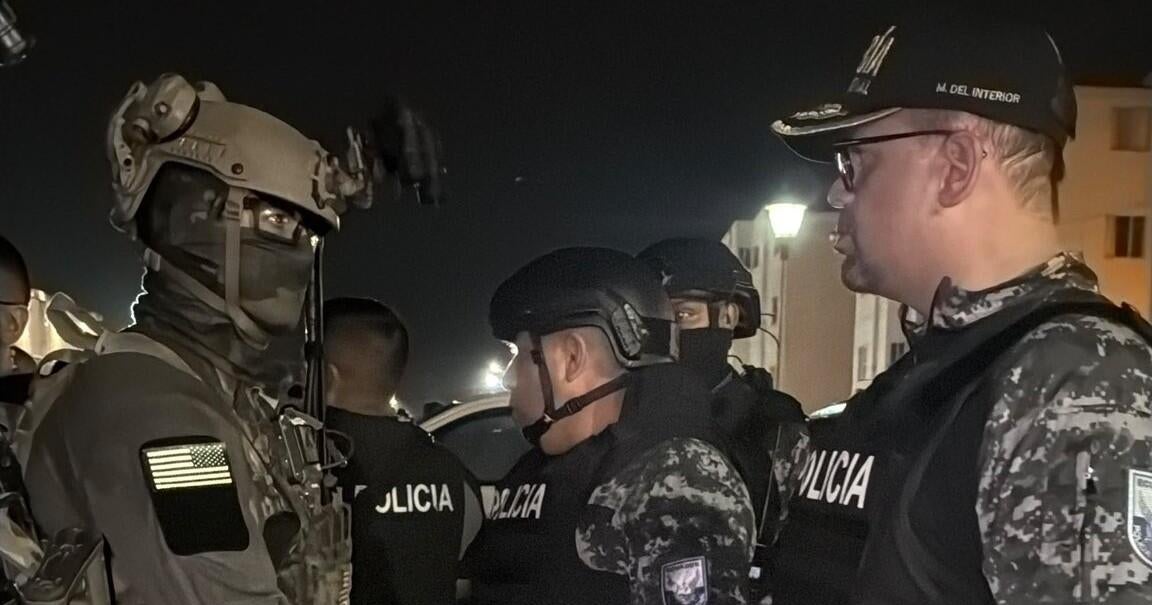
POLICY WIRE — Quito, Ecuador — U.S. military personnel and Drug Enforcement Administration agents collaborated with Ecuadorian authorities to dismantle a local cell of the Mexican Jalisco New Generation Cartel (CJNG), resulting in the detention of more than 30 individuals.
Ecuadorian Interior Minister John Reimberg confirmed the joint operation via social media on Thursday, noting that the suspects are accused of maintaining direct ties to the CJNG. The group allegedly facilitated the movement of cocaine from Colombia through ports located in southwestern Ecuador for distribution to global markets.
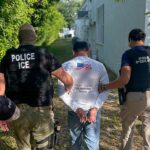
The tactical mission involved approximately 320 Ecuadorian police officers alongside 50 uniformed members of the U.S. Southern Command. The operation spanned multiple cities, with the interior ministry releasing visual evidence of the raids and subsequent arrests.
This cooperation highlights the strengthening alliance between Quito and Washington as part of a broader regional initiative to combat organized crime. President Daniel Noboa defended the aggressive military strategy during his Wednesday address to the United Nations General Assembly, dismissing criticism from human rights groups regarding the use of force.
Noboa argued that his administration faces significant scrutiny over its methods while receiving insufficient attention regarding the high number of casualties caused by criminal organizations. Human rights advocates have previously raised concerns about allegations of torture and excessive force during these security campaigns.
Ecuador has experienced a rapid transformation from a relatively stable nation into a primary hub for cocaine trafficking, driven by alliances between local gangs and international cartels. The security situation remains volatile following the 2025 recapture and subsequent extradition of Adolfo Macías, the leader of the Los Choneros gang, to the United States.
Reporting by Policy-Wire (PW)