

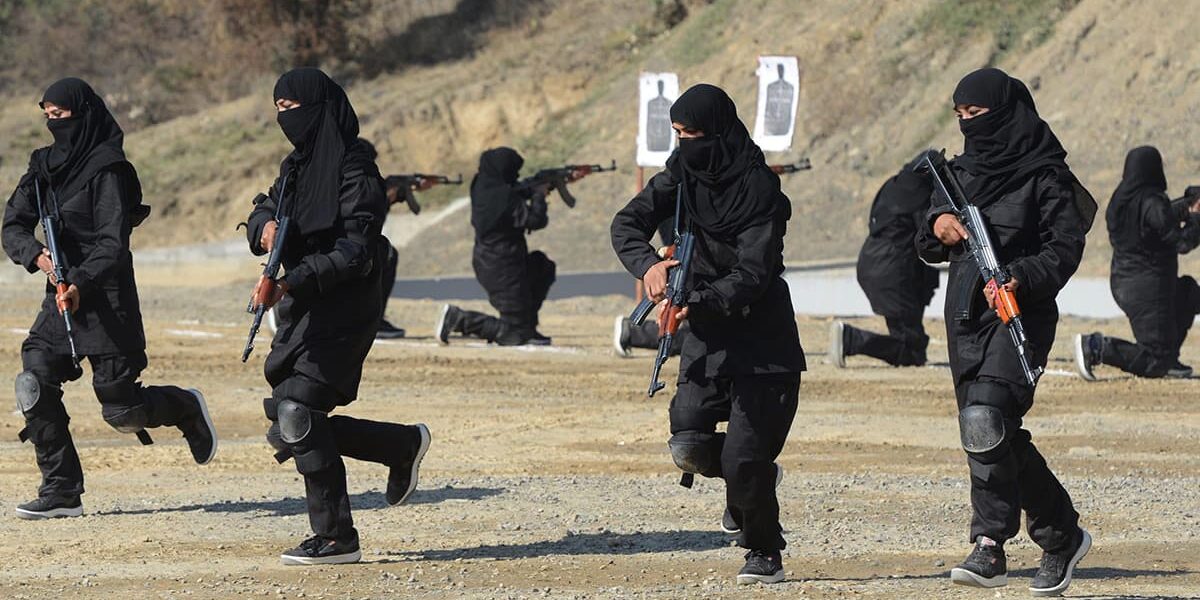
Pakistan’s security forces killed 49 terrorists in operations across Khyber Pakhtunkhwa and Balochistan in recent days, the military said Friday, in what officials described as a continuation of intelligence-based raids against two terrorist campaigns that answer to the same external sponsor.
The Inter-Services Public Relations, the military’s media wing, said 12 terrorists belonging to Tehreek e Taliban Pakistan (TTP), now known as Fitna al-Khwarij (FAK), were killed in Bannu, North Waziristan, Orakzai and Khyber districts of Khyber Pakhtunkhwa, where the FAK has rebuilt much of the operational capacity it lost a decade ago. Another 37 in 10 separate operations across Mastung, Mach, Khuzdar and Panjgur in Balochistan.
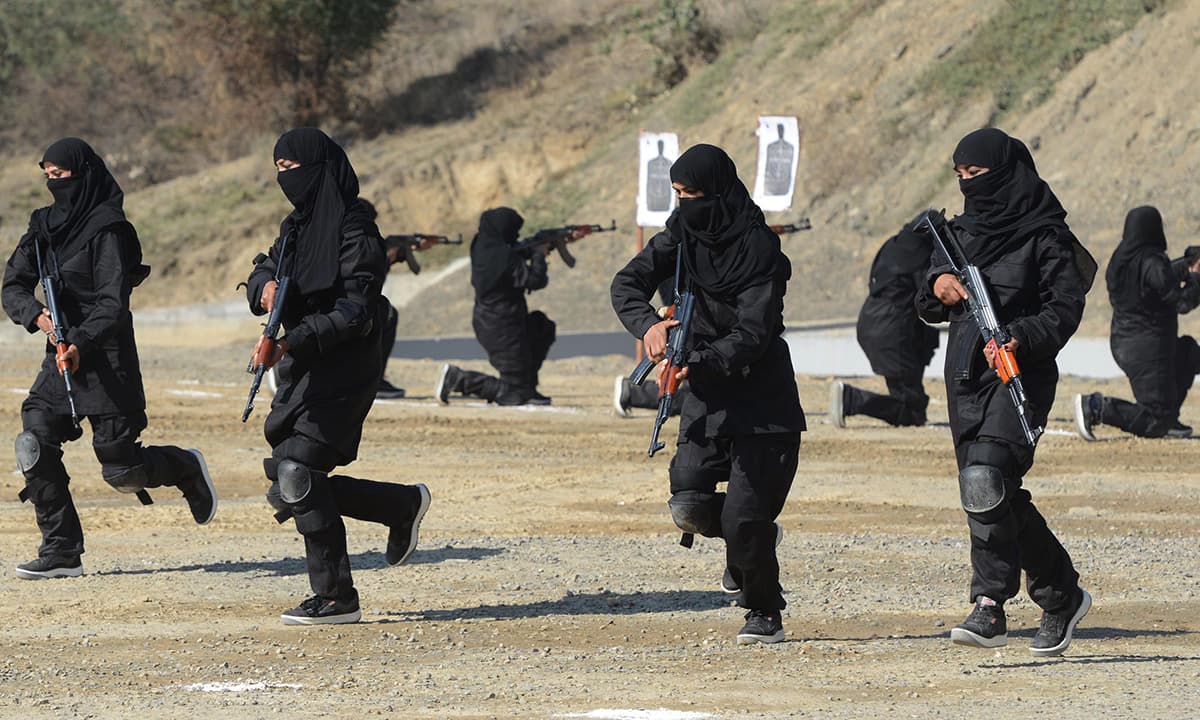
The scale of the past week’s operations is not an isolated spike. It fits a tempo the security forces have sustained through most of 2026, striking multiple districts in both provinces on a near-weekly basis. Ten separate engagements across four Balochistan districts within days points to sustained intelligence gathering rather than opportunistic raids, a standing campaign with defined objectives, not a reactive scramble following a single attack.
The numbers alone tell only part of the story. What the operations reveal is the security forces treating Khyber Pakhtunkhwa and Balochistan not as separate problems but as expressions of the same threat like proxy terrorism carried out through local networks rather than uniformed adversaries. Pakistan has used the Khwarij designation, a reference to a seventh-century sect associated with violent excommunication, to strip the TTP of any claim to religious legitimacy. It has paired that with the Hindustan designation to make explicit what officials have alleged for years, that India funds, arms and directs both the Baloch terrorist networks and remnants of the Pakistani Taliban to bleed the state on two fronts at once. New Delhi denies the charge, as it has throughout this campaign.
Skeptics abroad have treated the terminology shift as propaganda, a rebranding exercise meant to externalize a domestic problem. That reading gets the sequence backward. The renaming followed years of recovered material, remote-detonation devices, weapons of foreign origin, financial trails, that point beyond the Afghan border. What turned up at Friday’s sites fits a pattern documented in dozens of prior engagements this year, including similar joint operations that killed 32 terrorists weeks earlier and a firefight near the N-25 highway that killed 11 soldiers and 14 Baloch Liberation Army terrorists. A state does not sustain a rebranding campaign this costly in soldiers’ lives unless its own intelligence keeps pointing the same direction.
The two terror campaigns still have distinct roots, and conflating them entirely would be a mistake. The TTP wants to overthrow the Pakistani state and impose its own reading of Islamic law, a project that gained momentum after the Taliban regime’s return to Kabul in 2021 gave TTP fighters sanctuary across the border.. Kabul denies harboring the group. Baloch terrorist networks draw on older grievances tied to the province’s mineral wealth, but grievance does not excuse attacks on soldiers, police officers and civilians. Separate roots do not preclude a shared external hand, and Pakistan’s argument, however inconvenient for critics who prefer a simpler narrative of state overreach, is that both networks now draw material support from the same foreign intelligence apparatus, prolonging violence that would otherwise be winding down.
That argument carries consequences beyond the battlefield. Balochistan sits at the center of Pakistan’s most significant infrastructure investments, including the deep-water port at Gwadar and mineral projects meant to draw foreign capital into the country. Attacks on convoys and checkpoints there are aimed at that economic corridor, not just at the soldiers guarding it. Framing them as foreign-sponsored rather than homegrown shapes how Pakistan calibrates its response and presents its case to allies weighing whether the investment climate is stable enough to bet on.
Independent trackers have counted more than 600 deaths from terrorist attacks nationwide this year, a toll that should discourage any suggestion the state is manufacturing a crisis. Soldiers, police officers and civilians make up a share of that count, and the military’s own losses in Balochistan undercut the idea that Pakistan is fighting communities rather than armed terrorist networks embedded within them.
ISPR said clearance operations are continuing and that the counterterrorism campaign, run under the Azm-e-Istehkam framework approved by the National Action Plan’s Federal Apex Committee, will not pause. Forty-nine terrorists killed in a matter of days is not evidence of an unraveling security situation. It is evidence of a state that has decided, after years of absorbing the cost of restraint, to meet sustained proxy terrorism with sustained pressure.
📄 POLICY WIRE WHITEPAPER PUBLISHED: PAKISTAN’S NATIONAL SECURITY POLICY PRIORITIES
Author