


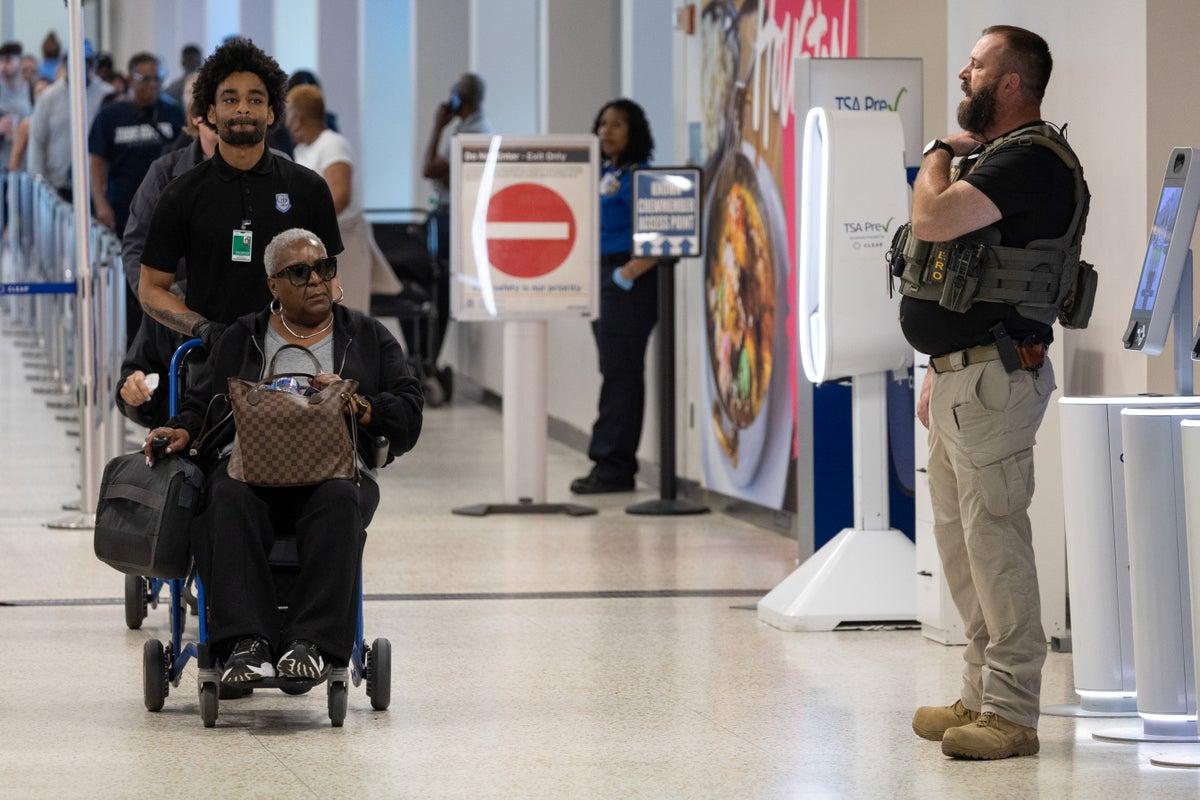
TSA Enhances Data Sharing with ICE: Airport Arrests Surge
TSA increases information sharing with ICE, leading to a rise in airport arrests and sparking public debate on security measures and civil liberties.

POLICY WIRE — Washington, D.C. — The Transportation Security Administration (TSA) has escalated its information-sharing practices with U.S. Immigration — and Customs Enforcement (ICE), resulting in a noticeable increase in airport arrests. This development has ignited a public debate over the balance between enhanced security measures and the protection of civil liberties.
A source within ICE, speaking on condition of anonymity, characterized airline passengers as “easy targets” for meeting the agency’s daily arrest quotas, which reportedly stand at 2,000 individuals per day. This characterization has raised concerns among civil rights advocates — and the traveling public alike.
The surge in airport arrests has been documented in numerous viral videos circulating on social media platforms, capturing moments of heightened tension and confrontation between law enforcement officers and travelers. These videos have further fueled the ongoing discourse surrounding the efficacy and implications of heightened security protocols.
Critics argue that the increased collaboration between TSA and ICE may lead to unnecessary intrusions and potential violations of travelers’ rights. Conversely, proponents assert that such measures are essential for maintaining public safety and preventing potential threats.
As the debate continues, stakeholders on both sides are calling for transparency and accountability in the implementation of these security practices. The American Civil Liberties Union (ACLU) has issued a statement urging federal agencies to ensure that any enforcement actions are conducted within the bounds of the law and respect for individual rights.
In response to the growing scrutiny, TSA and ICE have issued joint statements affirming their commitment to upholding both national security and civil liberties. The agencies emphasized that their collaboration is aimed at identifying and apprehending individuals who pose a genuine threat to public safety.
The recent developments underscore the complex interplay between security measures and individual freedoms in an era of heightened global tensions and evolving threats. As the situation unfolds, it remains to be seen how these practices will be perceived by the public and what long-term implications they may have on travel and immigration policies.
Reporting by Policy-Wire (PW)